A Journal

A personal journal that invites readers to design their own journeys through the world - with travel, dress and taste.

Search Posts:

Jump to

Travel

Jump to

Wardrobe

Jump to

Eat

Travel, Spring, Europe, France Frances Lawrence Travel, Spring, Europe, France Frances Lawrence

Quimper - an off-season active itinerary for Spring

A 7-night springtime itinerary with medieval Quimper as the base. Cider, cycling, springtime walks, crepes and art.

Itinerary At A Glance

  • 7 night independent itinerary for the very northwest tip of France, using Quimper as the base

  • Based on travelling at the very end of winter/start of spring, driving there using the channel tunnel.

  • Highlights include discovering the Pont-Aven school of art, eating crepes in their cultural homeland, coastal biking

  • Based on a couple travelling, with a focus on leisurely cultural activities and biking, interspersed with time to just relax and soak up the atmosphere


Why here?

This is an alternative option for exploring Brittany in its off-season, using Quimper as the main base, for easy access to city, country, coast and culture, with all activities within a 1 hour drive or less.

Every image you will ever see for Brittany tourism - every website, every accommodation listing - will show Brittany in the summer time, bathed in gorgeous sunshine. It’s true that early spring is unpredictable in the northwest corner of Europe; we can get everything from blue skies and frigid air, to bouncing rain, to snow, freezing cold and biting winds, to very warm and sunny days hovering around 20°C. You just don’t know what you’re gonna get.

This makes it a brilliant month for a road trip, and a great month for venturing outside (dressed accordingly!) If the weather is just too much, there’s plenty indoor cultural action to amuse too.

Quimper is considered by many to be the ‘cultural heart’ of Brittany, and stretching from the coast to inland, there is the Parc naturel régional d'Armorique, a huge natural park with rugged granite peaks, moors & dense forests. Due to unpredictable weather, indoorsing will be a key fallback, so staying close to a city means cultural and foodie activities are in easy reach for when the weather just isn’t playing ball.


WHEN

April

Like the UK, April can be either cold and snowing, or warm and sunny, Take clothing options and plan activities that account for these unknowable circumstances.


TRAVEL MEANS

Drive from Leeds, using the Channel Tunnel crossing + Road Bike

Drive time is 12.5hrs. Alternative, similar travel time is to cross using the ferry from Plymouth to Roscoff


ACCOMMODATION

Near Quimper

Quimper’s countryside, being more inland, has much more of a ‘cosy’ comforting feel to it than the brazen and rocky boldness of the coast around Brest.

3 bed home on the banks of the River Odet

Auberge des Glazicks - Michelin-starred restaurant-with-rooms about 30 mins drive from Quimper

3 bed home in central Quimper

Hôtel Ginkgo - Just outside the city centre, boutique hotel with some rooms giving views over the River Odet


SCHEDULE

Day 1

Drive to Quimper - this is a 12.5 hour journey. Pack the car with supplies and plan the route with opportunities for break points

Check-in

Collect groceries


Day 2

Brunch or Lunch - with local cider at Le Sistrot

Bike ride - out to Parc botanique de Cornouaille (about 2hr bike ride round-trip)


Day 3

Crepe workshop - for the morning activity, book onto a crepe-making workshop in Benodet (25 min drive from Quimper)

Embroidery art - in the afternoon, visit the School of Embroidery Art by Pascal Jaouen in Quimper where they have regular exhibitions of artistic embroidery


Day 4

Relax - take the morning to chill

Walk - in the early-afternoon, take a walk in the Bois du Nevet (25 min drive from Quimper)

Evening Drinks - try local brew at La Baleine Déshydraté in Quimper


Day 5

All day bike ride - Start in the morning, bike out to Pont-Aven (4 hour bike ride round trip) and stop in at Le Musée de Pont-Aven to see their considerable collection of works from this area, most dating from mid-to-late 19th Century


Day 6

Walk - Take a morning walk in the Huelgoat Forest (50 min drive from Quimper)

Relax - Take the afternoon to chill out, read, draw, chat


Day 7

Spa day - Book a spa day of thalasso therapy at Valdys Spa in Dourarnez (30 min drive from Quimper)


Day 8

Drive home


Other April Itineraries

Read More
Travel, Summer, Europe, France, Belgium Frances Lawrence Travel, Summer, Europe, France, Belgium Frances Lawrence

A Summer drive-and-ride through Belgium & Northern France

Itinerary journal of my summer tour through the Belgian Ardennes and Northern France. Bikes very much mandatory.

Itinerary At A Glance

  • 14 night independent touring itinerary for Belgium and France, taking a coast-to-coast route starting in Rotterdam, finishing in Cherbourg

  • Based on driving from Leeds, with bikes, using ferry transport from Hull to Rotterdam, back into the UK from Cherbourg

  • Highlights include Belgian beer, a cycle ride through water, visiting the ghostly remains of an F1 race track from the 1960s, cycling the river-strewn landscape of the Loire Valley, picnic at Chateau de L’Islette, The Bayeaux Tapestry, and D-Day museum at Arromanches-les-Bains.

  • Based on a couple travelling, with a focus on leisurely outdoor and cultural activities, interspersed with time to just relax and soak up the atmosphere


Why here?

This was our very first trip taking our car from Leeds across into Europe, and so, to make this introductory experience as easy as possible, we chose to make the driving the least onerous we could by not venturing too far into the continent.

Northern Europe is a lovely place to spend the summer; verdant, warm, buzzing with the life of festivals and outdoorsing often denied to us in the colder, wetter months. Throughout this region, there is a palpable excitement that summer is here, and a determinedness to enjoy it while we can.

We chose Wallonia for its forested hills, quiet roads, and brewing heritage. Reims offered a counterpoint — not for champagne, but for the haunting remains of a forgotten F1 circuit. The Loire Valley is the land of river and chateaux. The riding promised was easy, quiet, and punctuated with ample towns, villages, markets, chateaux, vineyards and culture. Normandy, with its layered history and coastal charm, rounded out the journey with something a little more serious - warttime history and medieval tapestry.

Every location on this trip offered excellent biking opportunities - whether that’s leisurely pootles or long-distance leg-burners - as well as discovery, and rest. A kind of slow travel that lets the landscape unfold at the speed of a bike.

Honest verdict

Did I enjoy the holiday? Does the place live up to expectations?

One of the very best holidays we have ever taken, ever. I don’t think it is possible for France to disappoint, such is the density of loveliness, culture and history, but Belgium was an unexpected surprise, totally exceeding our expectations in every way.

Did the itinerary work for the trip?

Perfectly. Not too much driving, but enough to cover some real distance between place to place. Travelling in the car this way, we also got to see parts of Holland, Belgium and France that we would probably never visit if it meant making a dedicated holiday there.

Would I make another visit?

Certainly - with the exception of Champagne region. While we had a good time there, this was my least favourite spot, but Belgium, Loire Valley and Normandy held so much appeal, with many more options for a visit than we could fit into this trip.


WHEN

July

Very warm and sunny was what we experienced for the full two weeks, though I was prepared for some occasional overcast or rainy days which failed to come.


LIGHT

Long days

Sunrise: 06:01am to 06:33am

Sunset: 22:10pm to 21:42pm

15-16 hours of daylight


TRAVEL MEANS

Ferry from Hull into Rotterdam, and out of Cherbourg into Poole

We obviously took our car for the entirety of this trip (it would be impossible without it) as well as road bikes attached with a carrier.


ROUTE & STOPS

Drive 1,407 km, 16 hours, over 14 days

  • Ferry Hull into Rotterdam (overnight crossing); drive to Belgian Ardennes for a 3 night stay; stop off at Delft for breakfast and Genk for Ride Thru The Water

  • Drive from Belgian Ardennes to Reims (Champagne region) for a 2 night stay

  • Drive from Reims to Loire Valley for a 5 night stay; stop off at Montargis along the way

  • Drive from Loire Valley to Caen; stop off at Le Mans along the way

  • Ferry Cherbourg to Poole; drive back to Yorkshire


Image of full route with all stops


ACCOMMODATION

Belgian Ardennes

Le Château de Mirwart

Not recommended. Devoid of atmosphere, strange.

Reims

This apartment.

Centrally located, clean, modern, large apartment. Only issue was a lack of parking and note that Reims operates a Low Emission Zone, for which you need to have a permit before you arrive in France.

Loire Valley

This lodge.

Idyllic. Large kitchen, private outdoor area, ample space for two, fairly rurally located in quick and easy access to the quiet country lanes perfect for road cycling with space in the hallway for bikes. Recommended.

near Caen

This garden apartment.

Garage-turned-holiday let, this was a lovely little compact space in a residential village on the outskirts of Caen, with a bakery and pizza restaurant in town. Ideal for cycling, with space in the hallway for bikes. Recommended.


SCHEDULE

Canals in Delft

Day 1 - Drive to Wallonia, with stop-offs in Delft and Genk

  • Had breakfast in Delft - it was glorious. To my mind, nowhere on earth does ‘cute town’ like the Dutch, and Delft is no exception. Sat by the canal on a warm Monday morning, enjoying Roze koek and Gevulde koek alongside a good coffee, and watched the town come gently to life.

  • Stopped off in Genk to Ride-Thru-The-Water and made use of the excellent Points-Noeuds system


Durbuy, and the surrounding countryside

Day 1 to 4 - Wallonia

3 nights

RIDING IN WALLONIA

Wallonia offers varied terrain. The southern areas near the Ardennes are steep and challenging — great for experienced cyclists looking for serious climbs. In contrast, the northern part near the Flanders border is more moderately hilly and better suited to relaxed touring.

This region is ideal for touring: quiet country roads, manageable gradients, and plenty of small towns and villages to stop in.

We found the riding here to be well-balanced and it’s a great region for combining cycling with other interests like food, beer, and local crafts, especially if you plan your routes to include stops or destination activities.


Day 5 - Drive between Belgian Ardennes & Reims

About 165km, 2hrs driving

Stocked up on beer before we left Belgium.


Reim-Gueux race track, former pitlane

Day 5 to 7 - Reims

2 nights

  • Cycled from Reims out to the abandoned Formula 1 circuit, Reims-Gueux, whose orginal structures including the grandstands, pit buildings and timing tower, still stand today and are preserved as historical landmarks and maintained by local enthusiasts. Eerie and magical, a perfect destination for a road ride before making our way to the more known pastoral landscapes of the Champagne villages and then routing back into Reims


Day 7 - Drive between Reims & Loire Valley

About 480km, 5hr 30mins driving

To break up the long drive, we stopped at Montargis for coffee, cake and a leg stretch. This isn’t a place to go out of your way to visit, but was a decently cute town with plenty of life and options for coffee and baked goods.


Loire Valley scenery

Day 7 to 12 - Loire Valley

5 nights

  • Picnic’d with live music at Chateau de L'Islette - a highlight of the stay. This place is fairytale stuff, with the River Indre meandering through the grounds, flanked by bridges, lawns and billowing flora. On Fridays and Saturdays throughout July and August, you can buy tickets for their open air picnic with live music; just turn up with your loved ones, blankets, food and drink to enjoy the evening.

RIDING IN THE LOIRE VALLEY

The Loire is ideal for very relaxed, scenic riding. Even beginners and very occasional cyclists will not struggle here. The terrain is mostly flat, with quiet roads and well-marked cycle routes that wind through vineyards, riverside paths, and historic towns. It’s perfect for multi-day touring with cultural stops — châteaux, markets, and wine tastings are never far off. Some of our rides includes:

  • 62km ride taking in Azay-le-Rideau, Langeais and Villandry - Langeais is a picturesque town right on the banks of the Loire and is well worth a stop. There is a market on a Sunday morning that is worth making your destination.

  • 57 km ride taking in Loches, Montrésor and Chedigny - the ‘village-garden’ of Chedigny is a particularly worthwhile waypoint for a road ride.

  • 54km ride to see Rivarennes……funny place this, bit of a ghost town really, clinging deperately to the heritage craft of dried pears.


Day 12 - Drive between Loire Valley & Caen

About 270km, 2hr 45mins driving

We made sure to route through Le Mans to drive the Mulsanne Straight, Inidianapolis and Arnage Corners (all of which is public road when not on a race day).


The Bayeux Tapestry exhibit

Day 12 to 14 - near Caen

  • Visited Bayeux Tapestry - for me, the absolute highlight of our trip. It is hard to believe this article of history is 1000 years old. It is vast and precious and magical, exhibited wonderfully well and with a very useful audio guide that made me feel like I was in a fantasy novel. Unlike most tourist destinations of this repute, we waited hardly any time to buy tickets and enter, and as an added bonus, Bayeux the town is also utterly adorable - well worth a patisserie stop. We did so at La Pâtisserie de Guillaume.

  • Visited the D-Day Museum at Arromanches-les-Bains - to tell the tale of Operation Overlord, and in particular, how Allied Forces built and erected a ‘floating port’ off the coast of Arromanches-les-Bains to faciltate the D-Day landings and ongoing supply of men, supplies and equipment for the re-taking of France.

RIDING IN NORMANDY

The riding in Normandy isn’t especially challenging, but it’s not effortless either — the terrain is mostly flat, which means you’re pedalling constantly. Roads are often narrow, with stone walls close to the edge, and the sky tends to hang low and slate-grey. Every so often, the landscape opens up and you catch a glimpse of the sea. It’s steady, atmospheric riding. Here are some routes we took:

  • Cycled to the Merville Gun Battery through Pegasus Bridge - historically important, Pegasus Bridge was the first bridge to be liberated following D-Day landings on June 6th 1944


Day 15 - Drive between Caen & Cherbourg

About 130km, 1hr 30mins driving

Ferry from Cherbourg back to Poole, then drive back to Yorkshire


Ideas for another visit

    • Visit Dieppe market, voted best in France in 2020

    • Take a factory-workshop tour of Bohin, last surviving pin and needle manufacturer in France, located in the Orne department in Normandy

    • Visit Les Jardins d’Étretat - Clinging close to the cliff, the gardens at Etretat are a poetic mix of landscape and sculpture known as “land-art.”

    • Visit The Sculpture Garden at the Château de Bois-Guilbert

    • Dine at Le Goéland 1951, a seasonal restaurant and bar (open during the high season) in a converted bunker from the war on the edge of a peninsula with breath taking views on the sea.

    • From spring to autumn along the sea front at Le Havre there’s a host of pop-up bars and restaurants, some of which have a view right on the sea.

    • Swim in the sea water swimming pool, plage du Plat Gousset in Granville

    • Swim in the Bains des Docks in Le Havre, designed by reputed French architect Jean Nouvel - this 5000 square metre aquatic centre comprises 12 pools, including a 50 x 21 metre outdoor pool, several leisure pools, a sauna, steam room, spa and fitness room.

    • Dieppe’s outdoor swimming pool offers views of castle and limestone cliffs


Other itineraries & food for France

Read More
Travel, Summer, Europe, Sweden Frances Lawrence Travel, Summer, Europe, Sweden Frances Lawrence

Småland, Sweden: a leisure cycling travel itinerary

Travelling in summer, my imagined itinerary for 7 nights in Smaland, Sweden. Cycling amid lakes, islands, country lanes, and deep forests.


Why Småland?

Research for this trip started with a friend, who ran an ultra-marathon around the island archipelago of Stockholm, extolling the virtues and beauties of this region. So I set a-looking for a possible trip to Sweden.

Turns out, the archipelago around Stockholm is famed for its beautiful maze of waterways and islands, peppered with second homes and cabins owned by city residents in pretty coastal towns for weekend trips and outdoor activities. While stunning, the many islands often means travel by boat and my other half gets badly seasick so I started to rule it out……………but Sweden looked too much like the exact kind of place I like to holiday, so I continued doggedly researching.

Gothenburg, Värmland, Lake Vänern, Öland………on and on I went, looking at places to stay and things to do, trying to spot the one that just seemed to tick all our boxes……….until a chance stumble had me in Småland and that set my tail wagging.

It is a land of deep forests, sparkling lakes and teensy cities punching above their weight with foodie and cultural scenes to rival that of larger urban centres. There are proper MTB facilities at various trail centres around the region. Other fun facts include that IKEA grew from being a small mail order company in the forests of Småland to the global phenomenon it is now, and between Växjö and Kalmar on the coast is the famed ‘Kingdom of Crystal’ - a string of glass-blowing communities reinvigorated, revitalised and turned into a unique tourist destination. Many describe this place as all of Sweden in miniature.


Itinerary At A Glance

  • 7 night independent itinerary for Småland in southern Sweden

  • Based on flying in and out of Gothenburg from Leeds with a hop in Amsterdam. Car will also be essential to move between locations

  • Highlights include biking the countryside, outdoor forest dining, experiencing the traditions of the glassblowing villages and some art locations celebrating the Swede’s famed sensitivity to great design

  • Based on a couple travelling, with a focus on leisurely cultural activities and biking, interspersed with time to just relax and soak up the atmosphere


WHEN

June or July

For the driest, warmest and lightest months, but I would still plan for mixed weather.


TRAVEL MEANS

KLM, from Leeds into Gothenburg, changing in Amsterdam

This trip will also require car hire for the entirety of the trip, along with bike hire which is capable of handling gravel surfaces


ACCOMMODATION

To make the most of the weather, the views and the outdoorsy nature of this trip, a traditional Swedish summer house - ferienhaus - would be my top pick ideally with some outdoor space. Either Gränna, Jönköping, or the stretch of land between them would make a good base. In order of preference:

IMPORTANT NOTE FOR BOOKING! Summer accommodation in the Swedish countryside books up very very quickly - note that its is also very common for self-catering homes to only allow a minimum of a 1 week stay, and not uncommon for them to enforce a 2 week minimum stay. This is a holiday where you will need to plan well in advance and get booking.

SCHEDULE

Day 1 - arrive

Try to arrive in the morning


Day 2 - biking Visingsö Island on Lake Vättern and explore Gränna

In the morning. head to Visingsö Island to bike the 25 km island perimeter path which takes between 2 and 3 hours. Lush oak forests and farmland co-exist on Visingsö, and along the way are several possibilities for a picnic break. More info found here

Explore the town of Gränna in the afternoon and stay for dinner


The Glass Kingdom is a cluster of villages between the cities of Kalmar and Växjö, which has been the centre of the country’s world-renowned glassblowing community since 1742. There is the Kosta Boda Art Gallery, designed by Bruno Mathsson in the early 1950s. At the Glassworks in Målerås, you can have a go at glassmaking, wander the walking/biking path and, most excitingly, partake in a traditional ‘hot shop herring’ evening meal (hyttsill in Swedish). Hyttsill evenings date back to the days when the glassworks acted as a focal point for the local community – an after-hours meeting place for workers, hunters from the surrounding forest and, not least, wandering tramps. When the glassblowers go home for the day, long tables are set up in the glassworks and the chef fries salted herring in the cooling pipe – where earlier in the day, finished glassware has been slowly cooled down. He brings trays of crispy bacon and isterband sausages to the table. Jacket potatoes, genuine Småland ostkaka pudding. Glasses are filled with chilled beer from the basement… Soon, the singing creates a warm atmosphere in the smeltery


Day 4 - biking Åsnen National Park and dinner in Växjö

About 40 minutes south of Växjö, is the Åsnen National Park, the newest in Sweden. Spend the day cycling its lanes, forests and lakesides, using this helpful site for inspiration on routes

Have dinner in Växjö, whose culinary scene rivals that of any larger city. Five of its restaurants are featured in the White Guide (Scandinavia’s leading restaurant guide), and the hotel/restaurant PM & Vänner was awarded a Michelin star for its modern take on Småland cuisine.


Day 5 - long day ride loop from Jönköping to Bunn and back

90km round trip on quiet country roads, this loop apparently takes you through some of loveliest countryside, into the famed village of Bunn, and back into Jönköping. Budget for 6-7 hours on the bike with more info here.


Day 6 - foraging and forest dining

Make a booking at one Smaland’s Edible Country Tables using this guide for what to forage from the Sweden countryside


Day 7 - long day ride loop between along the southern edge of Lake Vättern

70km round trip through the apple orchards and country lanes between Jönköping and Gränna


Day 8 - final breakfast and head home

Have one final breakfast of coffee and kanelbulle (cinnamon bun)

Try to leave in the afternoon


Back-up plans for rainy days


FOOD AND DRINK - SPECIALITIES & CUSTOMS

  • Isterband (pork, barley and potato sausage) with pickled beetroot and dill-stewed potatoes is a classic Småland dish.


Other Summer Stuff

Read More
Travel, Summer, Europe, Sweden Frances Lawrence Travel, Summer, Europe, Sweden Frances Lawrence

The Swedish West Coast - a twin-centre itinerary with biking, hiking, sculpture and excellent baking

Travelling in early summer, how we enjoyed 12 nights on the West Coast of Sweden. Hiking, biking and outdoor dining all feature.

Why the Swedish West Coast?

The entirety of Sweden’s coastline is both vast and varied - there are rocky granite coasts, deep sand-dune backed beaches of fine golden sand, vast island archipelagos of islands, islets and skerries connected to the mainland by bridges or chain ferries, forests right up to the coast, high cliffs, even inland lakes the size of inland seas. Just off the coast there are deep forests and meandering lanes amid a patchwork of meadows and farms.

The West Coast of Sweden has Gothenburg (Sweden’s second largest city, and home of Volvo) as the major urban base, but outside of that there is plenty of nature, both wild and tamed, for outdoor exploring, either on two wheels or on two feet. This is the summer playground of many a-Swede but not often visited by folks from the UK, so naturally, I feel like a jammy bugger, excited to be discovering something so authentically Swedish.

We based ourselves in Halland, just south of Gothenburg. It’s beachy, breezy, and brilliant for bikes. Halmstad, the main town, kicks off Sweden’s first national cycle trail and has a laid-back, surfy vibe.

Head north and you hit Bohuslän, a dreamy stretch of smooth granite islands and tiny fishing villages. It’s all red cottages, salty air, and kayaks weaving through the islets. It feels like a postcard.

We spent 12 sun-soaked days here—27°C and blue skies the whole way. Apparently, that’s rare. But we’ll take it.


Itinerary At A Glance

  • 12 night independent itinerary for Halmstad in Halland province and Orust island on Bohuslän coast

  • Based on flying from Leeds into Gothenburg, with a hop in Amsterdam

  • Highlights include DIY outdoor dining in one of the Edible Country tables, Bronze Age rock carvings, biking the famous Kattegattelden coastal trail, hiking and outdoor cooking in the forest on Midsummer’s Eve, and plenty of fresh baked goods at cafes with seaviews

  • Based on a couple travelling, with a focus on leisurely cultural activities and biking, interspersed with time to just relax and soak up the atmosphere


WHEN

Late June/early July

Driest, warmest and lightest months, plan for mixed weather.

Note also that, outside the major urban centres, many of the summer homes, tourist attractions, ferry routes and eateries are only operational May to September, so visiting outside of these times is a very different (and probably trickier) prospect.


TRAVEL MEANS

Leeds to Gothenburg with a hop in Amsterdam, flying with KLM

Car also be essential to move between locations, as well as road or hybrid bike hire for the entirety of the stay in Halmstad


ACCOMMODATION

Halmstad/Halland province

We stayed in this Cosy and luxurious villa on the outskirts of Halmstad.

Quiet. Large outdoor space including pool and cooking area. Proper family home with all the mod-cons. Recommended.

Bohuslän Coast

We stayed in this Gorgeous and modern coastal home with incredible views out to sea from the deck.

Recommended, especially if you particularly prize a peaceful and out-of-the-way location.

SCHEDULE

Halmstad in Halland province - Day 1 to 7

Day 1

Arrive: drove to Halmstad from Gothenburg

Collect Bike Rental from Rent-A-Bike Halmstad


Day 2

Bike: Pick a section of the Kattegattelden cycle trail using this extremely handy and comprehensive website to the trail, with an option to download the GPX files.

Cafe: Stopped at neighbourhood cafe Borjes Harplige Konditori for a pitstop and has my very first try of a chokoladbollar. Flipping marvellous and a wide selection for such a small village bakery.

Dinner: at the house


Day 3

Lund: This was one of our only rainy days, on which we headed out to Lund, the ‘Oxford of Sweden’, 1h 30m drive to the south.

Wandered the town, and stopped for coffee and baked goods before heading home - specifically Ramklints Konditorei for traditional Swedish patisserie and Lund Gateau Saluhallen


Day 4

Hike: Went on this Gourmet Hike tour with Anders. Cooked outdoors and checked constantly for ticks…..found some as a matter of fact…


Day 5

Bike: Pick a section of the Kattegattelden cycle trail which includes Falkenberg and explore the town as part of the route

Dinner: Booked in at Köketin Falkenberg, recommended by the White Guide - an excellent choice. The food and the service was superb, proudly Scandi, and just on the right side of ‘fine dining’. Not so progressive that it felt ‘try hard’ but still special enough to have felt like a proper treat. This wasn’t food I can make at home.


Day 6

Relax: enjoyed the hot weather in the garden

Dinner: BBQ outside


Day 7

Fika: Anders (our tour guide) and his wife, Viktoria, invited us for fika at their home in Halmstad. Viktoria baked a variety of teeny little bakes, from chokoladbiskvier to slices of Prinsesstårta. We sat outside in the shade of a tree with coffee and delicious baked goods and told each other some stories.

Deeply grateful for their invite to join us at their home. A highlight of our trip, for sure.

 
    • Spend an evening at Rotundan in Norre Katts Park in central Halmstad, with street food options with a musical performance from their cultural program

    • Take a guided tour of Tjolöholms Slott (Tjoloholm’s Castle)

    • Visit the Bath House at Varberg (Kalbadhuset Varberg) for a sauna and fika

    • Take a wander around Helsingborg

    • Take a trip out to Varberg to dine at Spiseriet (for tables of less than 6 people, it is drop-ins only)

    • Spend an afternoon in Halmstad, using this self-guided history walk as my rough guide - its only in Swedish but nice to have a paper copy for a bit of slow-ways pathfinding

    • Stop in for lunch or fika at Söderfamiljen in central Halmstad for a view over the river

    • Visit the Halland Art Museum or Mjellby Art Museum, to get to know a little more about artists in the region

    • Book in to ÄNG restaurant on the Ästad Vingård in Halland County. Recently awarded both 1 Michelin Star and a Michelin Green Star - first introduced in 2020, the Michelin Green Star is an annual award which highlights restaurants at the forefront of the industry when it comes to their sustainable practices

    • Do a local beer tasting on Friday or Saturday nights at Halmstad Brygghus


Day 8 - drive between Halmstad & Bohuslän

Made a pitstop at the café town of Alingsås, the Swedish Capital of Fika, for a wander around the town and its many cafes. Cute, not astounding.

About 300km, 3hrs 30mins driving


Bohuslän Coast - Day 8 to 13


Day 8

Settle in, buy supplies


Day 9

Sculpture Park: Went to the Pilane outdoor sculpture park on Tjorn, open May to September from 9am to 7pm. Gorgeous.

Lunch: Dined in the courtyard under the blazing sun, at Margareta's Koko Skafferi, Sunsby Sateri. Set in a historic manor estate, the café blends old-world charm with cozy vibes. You can sit indoors among vintage furnishings or outside surrounded by gardens.

Walk: there are walking trails at Sundsby Sateri. We took to one after lunch, to work off the kladdkaka…….which was utterly excellent - a crisp shell with a gooey interior - but also extremely indulgent.

Dinner: at the house


Day 10

Museum: Visited Nordic Watercolour Museum on Tjorn Island

Lunch: Lottas Bak & Farm (Lotta’s Sourdough Bakery & Cafe). Open Wed-Fri 9am to 5pm, Sat 8am to 3pm, Sun 10am to 3pm. A delighful neighbourhood cafe with a back terrace that looks out over a teensy little inlet. Tranquil and relaxed, with great food and an on-site bakery. An ideal spot for a sit-down.


Day 11

Visited the Vitklycke Museum and rock carvings in Tanum, member part of the World Heritage list as an outstanding example of Bronze Age art. Visitors can either join a guided tour or follow the well-marked six kilometre path for an exploration of the many rock carvings at this site. Open 10am to 5pm June to August (more limited opening times April, May, Sept, Oct and Nov).

We chose the independent option.

Pretty breathtaking. The carvings are highly visible, having been repainted to really stand out, and its rather mindbending the quantity that there on the site.One in particualr is a huge depiction of a man, way bigger than human size.

Highly highly recommended.


Day 12

Forgaging & outdoor dining: Booked on one of the Edible Country tables at Ramsvik. Stunning stunning location, perched on a cliff looking out over The Skagerrak—a strait that connects the North Sea to the Kattegat and separates Sweden from Norway and Denmark.

The foraging though, was very very difficult, having only been provided with a stylised line drawing


Day 13

Have one final breakfast of coffee and kanelbulle (cinnamon bun)

Try to leave in the afternoon

 
    • Wander around Marstrand on Kungälv island

    • Make day trips to visit a couple of the prize spots on the island of Orust - Gullholmen and Mollösund

    • Hike Dyron Island boardwalk trail, ending with a stop at the public sauna

    • Dinner at Brygghuset, Fiskebäckskil- multiple winner of the Whiskey Restaurant of the Year Award, and reputedly knowledgeable in all things seafood


Sewing and Wearing


Other Active Holiday Itineraries

Read More
Travel, Summer, Europe, Germany Frances Lawrence Travel, Summer, Europe, Germany Frances Lawrence

Southern Germany - a 12 night Summer road trip.

A hot summer road trip through Germany’s southern states. Castles, cakes, pretzels, bikes, hikes, lakes and beer all make an appearance. There’s nothing this place doesn’t have.
Itinerary At A Glance

  • 12 night independent touring itinerary for Southern Germany, across the two southern states of Baden-Württemberg and Bavaria.

  • Based on flying into Stuttgart from Manchester, and back in from Munich into Manchester, in July

  • Highlights include an invigorating walk around the hills of Heidelberg, a leisurely stroll around spa-town Baden-Baden, rest-stop coffee on the Lake Constance lakeside in Lindau, biking in the Black Forest and around Chiemsee Lake, a visit to The Eagles Nest in Berchtesgaden, a tour around the Eisriesenwelt Ice Caves over the border in Austria, Black Forest Gateau in its home in the Black Forest, and daily pretzel indulgence.

  • Based on a couple travelling, with a focus on leisurely outdoor and cultural activities, interspersed with time to just relax and soak up the atmosphere


Honest verdict

Did the place live up to expectations?

I would say this trip exceeded expectations and doesn’t get the attention it deserves.

I think the common belief is that Germany is a land of industry and/or grungy alternativeness; Brits go to Germany for Oktoberfest or a kooky bohemian-alternative city break in Berlin or Munich, but no-one seems to consider it a place to summer so that of course made it even more appealing.

I always like to think I’m choosing ‘off-the-beaten-track’ options and I got it into my head that Germany might make a fantastic summer destination - I imagined floral meadows, rolling hills, dancing waterfalls and outdoor beer gardens - I wasn’t far wrong really, but add in castles, excellent baked goods and some World War II historical sites.

The regions we visited honoured history and tradition, in and amongst the gorgeous rolling green countryside. There is a magnificence about it, with what felt to me like a commitment to aesthetics and beauty. It was clean, welcoming, green, varied and with much to see and do as a tourist.

We absolutely LOVED this trip, and have fallen a little bit in love with Germany as a result.

Did the itinerary work for the trip?

Logistically, Germany is both very easy to get to from the UK, with only a short flying distance and multiple arrival/departure points, and very easy to move around with an excellent road system - for this reason, the independent touring holiday, spending 3 nights, 4 nights and 5 nights in different locations across the southern states of Baden-Württemberg and Bavaria, worked perfectly.

I settled on starting off with a city break in Heidelberg, a university city on the River Neckar with glorious Baroque architecture; moving on to stay in Triberg in the Black Forest, the birthplace of the Black Forest Gateau; finishing up at the biggest lake in the Bavarian Lake District, Lake Chiemsee.

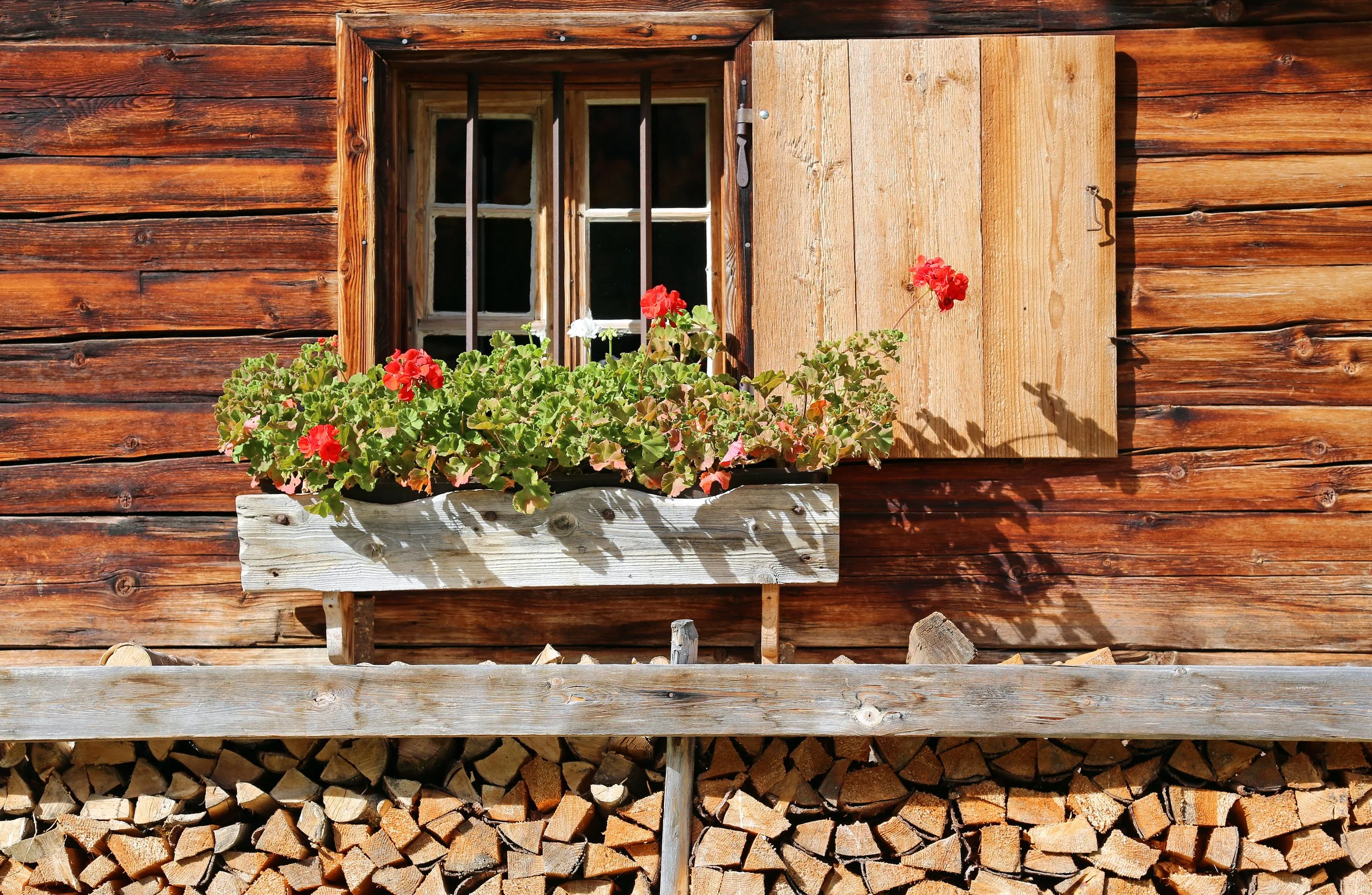
This almost felt like 6 holidays in one owing to the contrasts we experienced throughout the trip - we had 35°C weather and a visit to an ice cave where it was below freezing; we found Freiburg im Bresigau a vibrant and youthful place contrasted with the strong traditional feeling in the Bavarian Lake District; we had all of city, town, village, river, mountain, lake and forest. Some of the tiny memorable details of being in Germany were the colourful floral window boxes decorating most houses - we saw this everywhere - and the pretzels, the freshness and taste of which isn’t well replicated in pretzels you buy in the UK.

The weather is more changeable than you can expect in southern Europe, but it was very hot on at least half of our 12 days, with much opportunity to enjoy outdoor activity as a result and I would say generally hotter than the UK.

Don’t fall into the anglophone assumption that everywhere you go will speak English - they may not, so brush up on some German phrasing to help you through simple activities you know you are going to do regularly.

Would I make another visit?

I would definitely consider another summer holiday in Germany and I have considered a similar touring holiday crisscrossing the French-German-Swiss borders with stops in Freiburg, Colmar/Mulhouse, and Neuchatel. My advice for others would be to choose Freiburg im Breisgau as the base in the Black Forest. This little university city was absolutely buzzing, with delightfully unique little canals running through its streets. It would be an easy location to enjoy both the food and culture of a city and outdoor activities in the surrounding countryside.


FLIGHTS & OTHER TRAVEL MEANS

Fly with Lufthansa from Manchester, into Stuttgart, and out of Munich

We also hired a car for the entirety of this trip (it would be impossible without it) as well as bikes for parts of the trip


ROUTE & STOPS

  • Fly Manchester into Stuttgart; drive to Heidelberg for a 3 night stay

  • Drive from Heidelberg to the Black Forest (Triberg) for a 4 night stay; stop off at Baden-Baden along the way

  • Drive from The Black Forest to the Bavarian Lake District (Lake Chiemsee) for a 5 night stay; stop off at Lindau along the way

  • Drive from Lake Chiemsee to Munich; fly Munich to Manchester


ACCOMMODATION

Heidelberg

Hotel Chester on the outskirts of Heidelberg.

While the hotel itself was lovely, and we couldn’t complain about anything really - it was modern, clean, quiet, with good service and a very good breakfast - it was too far out to make the most of the 2.5 days we had in Heidelberg. This was a lesson learnt for me.

Black Forest

Inselklause in Triberg.

Hotel and service was lovely, but it was the wrong choice of location for us - it wasn’t central to anything we wanted to visit so everything became quite a drive away.

Lake Chiemsee

Hotel Bonnschloessl in Bernau am Chiemsee.

Traditional and classic - nothing to write home about for us, but clean, tidy and friendly.


SCHEDULE

Heidelberg - Day 1 to 4

  • Visited Schwetzingen Palace (Schloss Schwetzingen) on the outskirts of Heidelberg. Glorious. The gardens in particular make an ideal place for a summer wander

  • Walked the Philosophenweg (Philosophers Way) on the western banks of the River Necker and accessible starting from the city centre. It is a nice physical challenge and offers excellent views of the city as well as interesting sites like the Heidelberg Thingstatte which is a Nazi-built open-air amphitheatre where thousands of people could gather for propaganda presentations. Eerie.

  • Visited the Technik Museum Speyer - an automotive and aviation museum on the outskirts of Heidelberg

  • Lunched at Strohauers Cafe in central Heidelberg. Classic and authentic with an outdoor seating area perfect for people-watching.

  • Had top-class coffee and cake at Bäckerei Utz on our day trip out to Schloss Schwetzingen.


Drive between Heidelberg & Black Forest - Day 4

About 180km, 2hr 15 mins driving

On our way through to the Black Forest, we stopped at Baden-Baden, a glorious little spa town at the start of the Black Forest for a little coffee and a peruse around this pretty affluent town.


Black Forest - Day 4 to 8

  • Walked the route alongside and over the Triberg Waterfalls - the highest in Germany

  • Had Black Forest Gateau at Cafe Schaefer in Triberg

  • The hotel we were staying in, Inselklause, also had a lovely restaurant and a river running just behind it meaning some of the dishes included caught-that-day river trout from their own back yard. Really good

  • Had absolutely gorgeous chocolate and baking confections at Gmeiner on our day trip out to Freiburg im Breisgau

  • Took a day trip out to Freiburg im Breisgau - a highlight of our trip. The city is funky, outdoorsy and with the most unusual little miniature canal system running through its streets. We actually parked at the top of the mountain outside Freiburg to take a trip on the Schauinslandbahn - a cable car connecting an upper station near the summit of the Schauinsland mountain with a lower station in the municipality of Horben, near the city of Freiburg im Breisgau. Then it was a short and simple tram ride from the lower station into the city and it was worth it for the peaceful views of the Black Forest as we made the descent


Drive between Black Forest & Bavarian Lake District - Day 8

About 420km, 4hr 45 mins driving

On our way through to Lake Chiemsee and to break up the long 5 hour drive, we stopped at Lindau on the banks of Lake Constance (Bodensee in German) and wow - this little lakeside town is just gorgeous - all little streets, pastel-coloured buildings, floral window boxes and loads of outdoor cafes and cobbled squares. It is actually a teeny island in the lake itself, reached by crossing a small bridge and it is definitely worth a stop here. Especially lovely are the food establishments that face out onto the lake itself.


Lake Chiemsee - Day 8 to 12

  • Dined at Schlosswirtschaft at Wildenwart. A lovely, traditional countryside restaurant near Chiemsee - authentic German food in a gorgeous rural setting.

  • Had delicious pretzels from Cafe Obermaier in Bernau

  • E-biked all around the Lake Chiemsee. A full-day 58km loop with scenic stops - a great way to explore the area.

  • Day trip out to Eisriesenwelt Ice Caves (Austria). I can’t do justice to just how otherworldly and spectacular these are, and it’s an uncanny experience to be in 25°C on the outside, dropping almost immediately to below freezing once you enter, even in July. Once inside, its a rather spellbinding vision of nature’s own ‘ice sculpture’ with huge mystical caverns of icicles, ice falls and ice shelves

  • Herrenchiemsee. Took the ferry to the island to visit King Ludwig’s residence - regal, whimsical, and beautifully set on the lake.

  • Took a day trip out to The Eagles Nest (Kehlsteinhaus in German) in Berchtesgaden. This site was a symbol of power of the Nazi regime; decisions were made at the Eagle’s Nest and I believe it was a retreat option for Nazi leadership where they could hole up as it was very hard to access. The building stands perched over a sheer rock wall and to facilitate construction, a road was cut into the mountain through previously impassable terrain. We really enjoyed the visit, and there is a challenging scramble around the mountain at the top. We felt the controversial historical significance was handled humbly and with due remorse and chagrin for what it represents. To quote their website:

“Today however it still offers a magnificent and unique view of the surrounding countryside and also the opportunity to remember and learn about the inhuman dictatorship it served.”


FOOD AND DRINK - SPECIALITIES & CUSTOMS

I would sum up the best of German food culture as Cakes, Bakes and Beer. It is no lie to say that we had pretzels every single day of our trip, and I don’t think we had a bad one. They are sold in every bakery, in every town and village, and I have never tasted any better. Cakes generally were also some of the best I have ever had - easily rivalling more famous baking destinations like Paris or Copenhagen. Beer choices and quality were also superlative. These are the tastes of Germany for us, and it is well worth going to experience them.

Generally speaking, while we had good food during our trip, hot meals served for lunch or dinner tended towards hearty traditional grub made up of a potato option, some meat, and a sauce. Not necessarily the wildest or most inspiring of options, but tasty, filling and comforting nonetheless


Lessons Learnt for me

  • Prioritise location when choosing accommodation. On this trip, staying too far from the places we wanted to visit meant spending excessive time driving each day. I’ve realised that for city breaks especially, being within walking distance of the centre adds huge value — it allows for spontaneous outings, easy access to meals, and a more relaxed, immersive experience.

  • Touring with stops of 3–5 nights work well for an active pace; going longer or adding more stops can feel too hectic. Next time, I’ll plan fewer moves and choose accommodation that allows us to stay put for a few days — ideally within walking distance of key sights or no more than a 20-minute drive. That way, we can park the car and enjoy a more relaxed rhythm, with time to explore spontaneously and soak up the local atmosphere.


Other July itineraries

Read More
Travel, Spring, Europe, Germany Frances Lawrence Travel, Spring, Europe, Germany Frances Lawrence

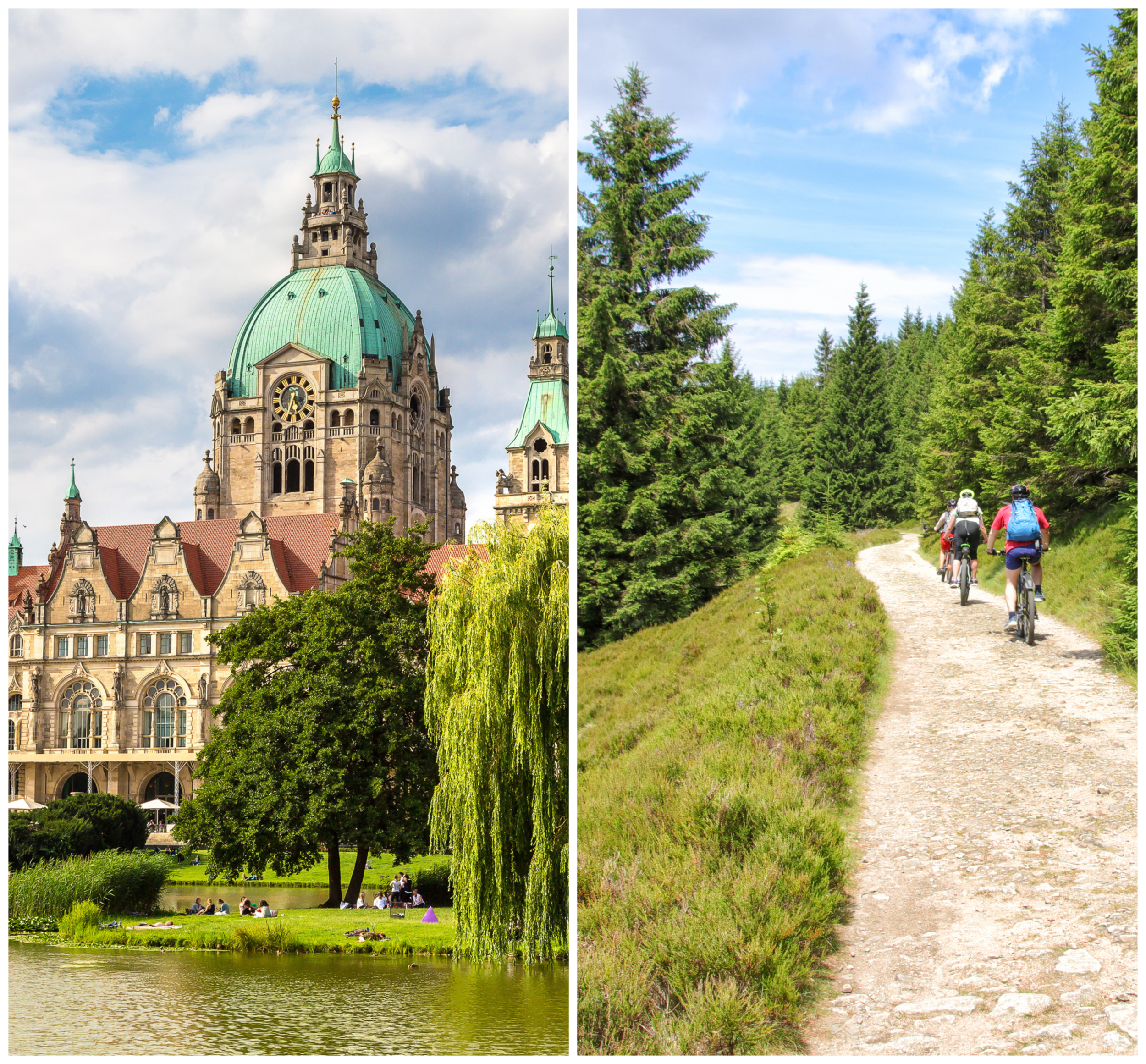
Hanover and The Harz Mountains - a Spring travel plan for mountain biking and city break

Travelling in spring, departing from Leeds, my imagined itinerary for 7 nights of exploring in Lower Saxony.

Why Hanover & The Harz Mountains?

The start of my research into The Harz Mountains was inspired by this article from Culture Trip; I did a bit more digging and found what looks to be a perfect region to explore on a bike.

The main focus of the trip will be the Harz Mountains and I’ve plumbed for one of the most obvious towns as the base - Quedlinburg. This little city is a UNESCO World Heritage site owing to it being the burial site for the first German King, and it was Germany's first capital and an important city during the Middle Ages. Now, it is a well-known tourist destination and is usually the favoured spot for a visit to the region. Looks to be a great base for a bit of biking around the Harz, while also offering up options for historical activities and dining.

Hanover (spelt Hannover in German) is very simply the nearest city and the most obvious airport - so I decided to make it a part of the itinerary. Much of their visitor marketing is geared towards the city as a business destination but reading between the lines, I found more than enough history, culture and uniquely Hanoverian experiences for us to enjoy a few days getting to know this city. The Aldstadt (German for ‘Old Town’) is full of those gorgeous half-timbered structures and it is home to the Eilenriede, Europe's largest municipal forest. It is very bike friendly, both in the city and its surrounds, with hundreds of kilometres of signposted routes and city bike lanes. Its reputation as a business hub also makes it incredibly easily logistics-wise, so superb for the independent traveller. Most unique of all is that the city has an international firework competition each year………weird, and cool. In short, many many reasons for a visit.

I have visited Germany once before - Bavaria and Baden-Wuttemburg - and ever since, I’ve been telling anyone who will listen that the best baked goods are in Germany - not in France, not in Italy - Germany. So add superb cake and daily pretzels to the list of attractions.


Itinerary At A Glance

  • 7 day independent itinerary; 4 nights in Quedlinburg, then 3 nights in Hanover, travelling in Spring - April, May or June.

  • Based on flying in and out of Hanover from Leeds with a hop in Amsterdam.

  • Highlights include a two-wheeled day trip to Marienburg Castle, international firework competition displays, enjoying modern German fine dining in a 2-star Michelin restaurant, understanding more of Germany’s medieval history, and biking around the Harz Mountains.

  • Based on a couple travelling, with a focus on leisurely cultural activities and biking, interspersed with time to just relax and soak up the atmosphere.


WHEN

Spring - April or May

The weather is very similar to the UK so highly unpredictable, though I’m of the opinion that Spring is the absolute best time to visit Northern Europe. That being said, I’ll still expect a variety of warm, cool, wet and generally changeable weather for this trip.


TRAVEL MEANS

KLM, from Leeds into Hanover, with a 2hr change in Amsterdam

I will also hire a car for the entirety of the trip, and a mountain bike for the stay in the Harz Mountains

Note the following:

  • the city centre is an environmental zone - access is only permitted for cars with a green sticker

  • there are over 360 kilometres of cycle paths alongside the city’s roads and 170 kilometres of cycle paths through Hannover's green spaces

  • you can take your bike on the tram or S-Bahn (Stadtbahn), sometimes at no extra charge


ACCOMMODATION

Quedlinburg (in order of preference):

Hanover (in order of preference):


SCHEDULE

Quedlinburg - Day 1 to 4

Take a guided mountain bike tour in the Solling-Vogler Nature Park & Mountain Biking network

Visit Volksbank Arena Harz mountain bike trail centre with a choice of 74 routes

Visit Bikepark Bodetal

Take any of these off-road routes to take in the scenery around the Bodetal

Eat some traditional German ‘pub-grub’ washed down with German beer at Brauerei Ludde Quedlinburg

Get some coffee and cake at Cafe Zum Roland

Hanover - Day 5 to 7

Visit the Sprengel Museum, to see their collection of 20th century cubist art

Book into a brewery tour at Herrenhauser Brauerei

Attend Velo City Night - at Velo City Night, thousands of cyclists conquer the streets of Hannover, forming a huge collective tour of the city. Similarly, at Skate by Night, around 4,000 inline skaters cruise around the city. Both initiatives are designed to promote alternative travel options and encourage the creation of the infrastructure needed

Attend one of the international firework competition displays at the Herrenhausen Gardens

Day trip to Marienburg Castle - 1 hr 30 m each way on a bike. Perhaps book for one of the guided tours or simply stop in at the restaurant

Hanover has a 2-star Michelin restaurant, Jante. I’d book in here for a treat

Stop by Lindenblatt Burger-Bar. All the ingredients are from the Hannover region, with the steaks coming from ecologically reared animals.

Stadtmauer Hannover - modern restaurant with a view of the Leine river

Have breakfast at Fraulein Schlicht (closed Monday & Tuesday)


ABOUT HANOVER’S NEIGHBOURHOODS

  • Aldstadt (Old Town) - the central historic hub. This is where all the major sites can be found and the half-timbered architecture

  • List - the cultured and refined residential district. To the northeast of the Aldstadt, it is just north of the Eilenreide Forest also, so very well located for both culture and the urban outdoors

  • Calenburger Neustadt - the student district. Bound on all sides by water - River Leine to the east and north, River Ihme to the west

  • Südstadt - the up-and-coming district for young professionals. This neighbourhood is quiet, residential and is considered a bit of a haven for outdoor activity (with both the Eilenreide and Machensee Lake in close proximity) and is home to a lot of design-focused modern boutiques and a variety of modern restaurants. It is also home to the Sprengel Art Gallery.

  • Linden - the edgy, funky alternative district. It only became part of Hanover in 1920 and often considers itself having a separate identity


FOOD AND DRINK - SPECIALITIES & CUSTOMS

In Lower Saxony (German: Niedersachsen), the cuisine is features many of the ingredients common to Northern Europe - buckwheat, apples, butter, potatoes, cherries, pears, plums, asparagus, cabbage, dill, beer and rye. Some of the more unusual specialities include:

  • Apple Soup made from cooked apples and raisins and seasoned with a generous helping of cinnamon and vanilla

  • During the spring season, asparagus served with schnitzel, potatoes and brown butter

  • Welf Pudding is a traditional dessert from Hanover, which is a two-layer posset-like concoction made from egg, milk, vanilla, sugar, cornstarch, dry white wine and lemon

  • Pinkel is Lower Saxony's national sausage

  • Sour milk cheeses such as Harzer, Gelbkäse and Bauernhandkäse

  • They also love Arme Ritter (French Toast) and Buckwheat pancakes


Other 7-10 night Itineraries

Read More
Travel, Autumn, Europe, Italy Frances Lawrence Travel, Autumn, Europe, Italy Frances Lawrence

Turin and Monferrato, Piedmont - a twin-centre autumnal trip

An autumn itinerary with Arbarth factory tours, martinis, and day rides in the Monferrato hills.

Itinerary At A Glance

  • Twin-centre independent itinerary for Piedmont; 3 nights in Turin, 7 nights in the Monferrato Hills in Alessandria province.

  • Based on travelling in late summer or early autumn, flying in and out of Milan from Leeds with a hop in Amsterdam.

  • Highlights include a tour of the Abarth Factory, a cocktail experience at the home of Martini, indulging in the famed white truffle, staying in a high-spec design accommodation, day bike tours around the rolling green hills of the Monferrato, and an exciting gourmet experience at one of the regions many Michelin-starred restaurants.

  • Based on a couple travelling, with a focus on leisurely cultural activities and biking, interspersed with time to just relax and soak up the atmosphere.


Why here?

Piedmont (Piemonte in Italian) is in the north-western corner of Italy and both the Italian and French name for the region roughly translates as ‘foot of the mountain’ which is very apt, as the region’s physical background and border along its western edge, is the Alps.

Piedmont is known for its lakes, hills, rivers and its food: white truffle, gianduja, Gavi, Barolo, and Asti. It’s also well set up for independent cycling, with mapped routes for everything from road touring to proper downhill trail centres.

This itinerary started with a visit to the Fiat Lingotto Factory and the Abarth Works Museum in Turin (my boyfriend’s a serious petrolhead). Turin itself has a reputation for royalty, industry, and grand café culture. It was the first capital of unified Italy, home to the kings of Savoy, Fiat, and Juventus. We’re expecting a quietly confident city with boulevards, motorsport, and a splash of Martini — vermouth was invented here.

Rather than heading to the lakes, we’re staying rural in the Monferrato Hills near Casale Monferrato. The accommodation felt fresher, better value, and less over-touristed. This part of the trip is for relaxing and cycling through vineyard country.


WHEN

Early Autumn - either September or October.

A little unexpectedly, October is actually high season in the Monferrato-Langhe due to the harvest and the importance of gastrotourism to this area.

It is a relatively wet place all year round so I’ll be expecting mixed weather. Averages indicate that it is at its driest in the Winter.


TRAVEL MEANS

Flights into Turin are possible, though I found them much more expensive than flights into Milan, which is just a 2hr drive from Turin. Flight options are either of the below:

  • KLM, from Leeds into Milan, with a 2hr change in Amsterdam

  • Easyjet, from Manchester direct into Milan

I will hire a car for the entirety of the trip, and a bike for the second part of the trip in the Monferrato Hills


ACCOMMODATION

Turin

I found lots and lots of ‘oldy worldy’ accommodation in Turin, which isn’t really my bag, but something else I noticed in abundant availability were modern conversions of big old industrial spaces. These would be my pick in priority order:

  1. Edit Lofts - this is a former Fiat factory made into funky loft apartments. They also have a restaurant on site recommended by the Michelin Green Travel Guide. Only downside is that it is a 40 minute walk from the centre

  2. Funky loft space smack-bang in the centre

  3. Modern, minimalist and space-maximising design loft a little outside of the historical centre

Monferrato Hills in Alessandria/Asti province

  • I found many many beautiful places to stay in this whole region, but once I found this Glass House in Terruggia, about 6km from the small historical river city of Casale Monferrato, I knew we had to stay here. The rest of my trip is designed around staying here


SCHEDULE

Turin - Day 1 to 3

Take a guided tour of the Abarth Factory Workshop

Visit the FCA Heritage Hub which opens soon in the Fiat Mirafiori industrial complex, with an exhibition of Fiat, Abarth, Lancia and Alfa Romeo

Go have a look around La Venaria Reale, one of Turin’s famous Savoy residences and one that stood out to me

Visit Castello di Rivoli contemporary art museum

Have coffee and cake at Caffe Mulassano - a grand and traditional cafe

Do as the locals do, with a pre-dinner aperitif and snack at La Drogheria in Piazza Vittorio square.

I’d book into any one of these restaurant recommendations from the Michelin Green Travel Guide

Take an an aperitivo ‘crawl’ in San Salvario - Enò | Via Galliari, 1, Affine | Via Belfiore, 16, Gorilla | Via Galliari, 20, Crumb | Piazza Madama Cristina, 2, Eria San Salvario | Via S. Pio V, 11, La Cuite | Via Baretti, 11

Take a 40 min drive outside the centre to get to know more about vermouth and Martini on this Ultimate Martini Experience at Casa Martini, the historical home of the well-known alcohol producer


Day 4 - driving between Turin & Casale Monferrato

About 75-100km (depending on the route), 1 hr 15 mins driving


Monferrato hills in Alessandria/Asti province - Day 4 to 10

The majority of our time will be spent on the bike, and the following routes and destinations strike my fancy:

  • Take this circular route from Casale Monferrato to Valenza, the famed City of Gold, which boasts the highest concentration of gold and artisan jewellery businesses in the country - I think we’ll pay a visit to the Museo del Gioello (jewellery museum) while we’re there too (65km route - an all day excursion. Start point is 25 min bike ride from Terruggia)

  • Take this route or this route for a tour around the Infernot Hills and a stop in Treville for a view of the Alps. (25km route - about 2-3 hours. Start point is 25 min bike ride from Terruggia)

  • Take this short multi-looping route in and around San Salvatore Monferrato (25km route - about 2-3 hours. Start point is 1 hour bike ride from Terruggia)

  • Cycle this loop in the lands of San Giovanni Bosco (62km route - an all day excursion)

  • Drive or bike out to Asti (4 hr bike ride round trip from Terruggia) just for a little wander around the city and a sip of the famous sparkling wine Asti Spumante

  • Cycle out to the walled medieval miniature city of Moncalvo (2.5 hr round trip from Terruggia) to walk the ramparts, visit the Marc Chagall paintings held in the Civic Museum of Moncalvo and have dinner at sunset

  • Drive or bike out to Montegrosso d’Asti (4-5 hour round trip from Terruggia)

  • For a wide variety of cycle routes across the whole of Piedmont that can be downloaded as GPX files, I found PiemontEscape to be superb

  • Book for dinner at Il Cavallo Scosso in Asti - a young and modern restaurant as recommended by the Michelin Green Guide

  • Faletto 1881 - a modern restaurant in a farmhouse-come-hotel-and-venue just outside of Casale Monferrato

  • Accademia Ristorante in Casale Monferrato - local and seasonal Piemontese cuisine, as recommended by the Michelin Green Guide


FOOD AND DRINK - SPECIALITIES & CUSTOMS

Piedmont is extraordinarily rich in food and drink both grown and invented here:

  • drinks wise, there is Barolo and Gavi wine, bicerin (a coffee mixed with cream), and vermouth.

  • pasta-wise, there is agnolotti, plin and tajerin.

  • cheese-wise, there is stracchino (creamy, soft white cheese), toma (a light, semi-hard cow’s milk cheese), robiola (delicate and sweet, often preserved in oil), raschera (made with a combination of cow, goat and sheep’s milk coming from the high pastures of the Monferrato).

  • other food items include gianduja (chocolate-hazelnut spread), truffles (most famous ones come from Alba), bagna cauda, bonèt pudding, baci di dama, Savoy biscuits, grissini breadsticks and panna cotta.

  • Traditionally, aperitivo is meant to whet the appetite before dinner and is accompanied by a variety of appetizers (stuzzichini) such as cold cuts, cheeses, salads, olives, bite-sized pizzas and other savouries. However, such is the popularity of this time honoured tradition, a new concept of apericena has been introduced in recent years that closes the gap between aperitivo and dinner and acts as a less formal alternative to eating out in a restaurant. Now, sumptuous buffet tables in bars and cafes all over Turin groan with a mix of the traditional bites plus pasta and rice dishes, grilled and freshly chopped vegetables, couscous and quinoa salads, cakes and more. The buffets usually start at around 7pm and can go on until 9pm/10pm


Tastes of Italy

Read More
Travel, Summer, Europe, France Frances Lawrence Travel, Summer, Europe, France Frances Lawrence

Morbihan, Brittany - a twin-centre trip with road biking and city break

Travelling in early summer, my plan for 10-11 nights in Nantes and the Gulf of Morbihan. An itinerary for biking, art trails, a bit of Jules Verne, eating crepes, visiting medieval towns and castles, and admiring the sunset in pretty port towns.


Why Brittany?

With it’s own language and gastronomy that is heavily influenced by Celtic culture (indeed Brittany counts as one of the six Celtic nations along with Cornwall, Wales, Isle of Man, Ireland and Scotland), visitors are principally drawn to Brittany’s for coastal views, well-preserved historical towns and sites, food treats like salted caramel and crepes, and its unique cultural tradition that is quite distinct from the rest of France.

Tourism is well-established here with a wealth of online information to inform my independent itinerary. Its definitely a region geared up to receive visitors; many of them British, but also many of them French so it looks to have retained authenticity in its touristic offering. It is also well-serviced with transport options from the UK. This is not necessarily the place to discover that feels like I’m the only one to have done so, but I can take advantage of the expansive tourism infrastructure and online resources to get to some of the lesser-known places and design myself a unique itinerary quite easily.

Across the whole region, there seems to be a number of locales that strike my fancy and meet my brief of culturally rich, a little under the mainstream UK travel radar, and with opportunities for biking - Nantes, Quimper and Bénodet, St Malo, the Cote Eméraude, Noirmoutier-en-Île, Dinan, ruins at Carnac…this looks to be the kind of place that I will need several different holidays to see everything I’d like to see.

For this itinerary, I have settled on a design for southern Brittany, starting with a city break in Nantes, followed up with enjoying the coast in the Gulf of Morbihan, in easy reach of medieval town Vannes.

Nantes is the former “City of Dukes”, and was once the administrative capital of Brittany but is now part of the Pays de la Loire. This city looks to be a beauty - art features heavily, history is everywhere, and it looks to be a classy kind of place that isn’t too big to really see on a city break. There is also industry and an important port, and as per the Copenhagenize Index 2017, was marked as the 16th most “bicycle-friendly” city in the world.

The Gulf of Morbihan is a natural harbour; indeed ‘mor bihan’ in Breton means ‘little sea’. It is scattered with little islands, isles and islets; the mainland is lined with pretty little coastal villages; and being on the west coast, it is a beautiful theatre for incredible sunsets. The whole area looks perfect for exploring on a bike; quiet rural roads, excellent views, and for the historical and cultural hit, several castles and the medieval city of Vannes are within easy distance for day trips on two wheels.


Itinerary At A Glance

  • 10 day independent itinerary for Brittany & the Loire Valley in Northwestern France: 3 nights in Nantes, and 7 nights in the Gulf of Morbihan near Vannes

  • Based on travelling in summer, flying in and out of Nantes from Leeds with a hop in Amsterdam. Car will also be essential to move between locations

  • Highlights include getting to know more about Jules Verne, biking around Nantes, taking a brunch tour on the River Erdre, indulging in buttery crepes, hanging out in the vibrant fortified medieval city of Vannes, and e-biking around the craggy coast of the Gulf of Morbihan.

  • Based on a couple travelling, with a focus on leisurely cultural activities and biking, interspersed with time to just relax and soak up the atmosphere


WHEN

Late June or early July.

Brittany has an extremely pleasant summer from June through to September with mid-20s temperature and fairly low rain during this time also. I will expect changeable weather even in the summer, though typically a few degrees warmer than the UK. The rest of the year is cool (not really very cold) but can be very wet (wetter than Northern England)


TRAVEL MEANS

KLM, from Leeds Bradford to Nantes, with a 2hr stop in Amsterdam

Hire a car to collect from the airport for the entirety of the trip and a road bike.


ACCOMMODATION

Gulf of Morbihan (in my order of preference)

  1. La Villa du Guern - I’d like any one of those suites overlooking the water

  2. I’m not sure I have ever encountered a more original place to stay than this house on the water

  3. La Ferm’h - elegantly furnished eco-gites in Baden

  4. Right outside of Vannes, but with views overlooking the Gulf of Morbihan - great looking Airbnb


Nantes (in my order of preference)

  1. Maisons du Monde Hotel & Suites - my pick would be the Copenhague apartment

  2. Luxurious 2 bed apartment with a grand and opulent personality

  3. Stunner of a split-level duplex

  4. Tasteful & modern 2 bed apartment with welcoming decor and nicely laid out space, about 1 mile from the centre of Nantes


SCHEDULE

Nantes - Day 1 to 4

Visit Chateaux des Ducs – 15th century castle tracing the history of Nantes

Take brunch cruise, a lunch cruise or a dinner cruise aboard the Bateaux Nantais up the River Erdre

This city is so bicycle friendly – I’d try some of these bike routes suggested by France Vélo Tourisme for in and around Nantes

Reputedly, the Quai des Antilles on the western side of the Ile de Nantes is the place to be for an early evening aperitif or beer. The riverside is supposedly lined with bars and cafés, and it bursts into action after sunset. 

    • See an art exhibition at the industrial shed unit that is HAB Galérie, located on Île de Nantes

    • Book a performance at Le Lieu Unique - The last remaining vestiges of the LU biscuit factory established here in 1885 by Louis Lefèvre-Utile have been rehabilitated in 2000 by the architect Patrick Bouchain to give rise to this national centre for drama, dance and music. There is also a Turkish bath, a restaurant and a DJ in the bar on weekends

    • Follow the Green line through the city past nearly forty public art works and check out the Nymphea artwork at night drifting over the River Erdre

    • History of printworks at the Printing Museum

    • Jules Verne Museum, to learn about the city’s most famous artistic son

    • Wander by the Machines de l’Ile and the Great Elephant – this Jules Verne creation is the emblem of Nantes

    • Drive to Noirmoutier-en-Île - a flat island littered with cycling trails just off the Atlantic coast and about 1.5 hours from Nantes


Vannes & surrounds - Day 4 to 10

Spend at least half a day walking around half-timbered, fortified medieval town of Vannes. Eat in its cafes, admire it’s marina and walk the ramparts

Take an oyster mini-cruise to Ile aux Moines, to taste the oysters and learn more about their farming and the fragile ecosystem

Take a trip to Quiberon to visit the confectioner’s shop of Henri la Roux, inventor of the famous salted caramel

Bike out to the Fortresse de Largoët, the highest keep in France (2hr bike ride round trip from Vannes)

Bike out to the Chateau de Tredion for a walk around their sculpted gardens and sculpture park (3hr bike ride round trip from Vannes)

Cycle out to Auray-Saint-Goustan for a wander around this pretty port town (2hr bike ride round trip from Vannes)

Cycle out to see Rochefort-en-Terre and the Moulin Neuf for a walk around this reputedly beautiful floral village (4 to 5 hr bike ride round trip from Vannes)

Cycle out to Carnac to see the ancient standing stones


FOOD AND DRINK - SPECIALITIES & CUSTOMS


Other Twin Centre Itineraries

Read More