Velodyssey North - a 16 night road trip for cycling in June
Itinerary At A Glance
14 night road trip independent itinerary for cycling in Netherlands, Germany, Denmark
Based on driving from Leeds, with road bikes, using ferry transport
Highlights include
Based on a couple travelling, with a focus on leisurely cultural activities and biking, interspersed with time to just relax and soak up the atmosphere
Why here?
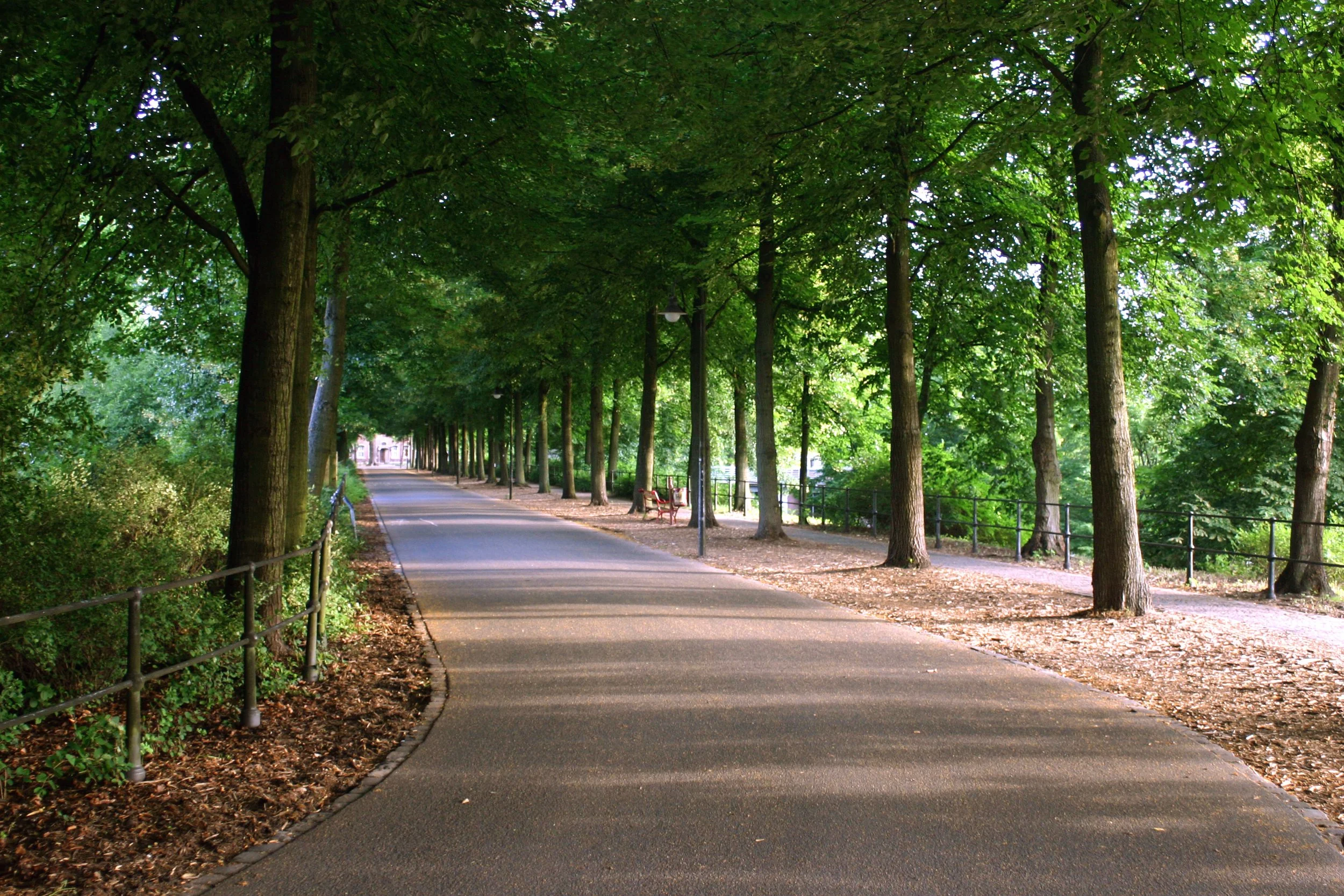
This itinerary threads together a handful of Northern Europe’s lesser-known corners - places that shaped history through trade, industry, and cultural influence. Each stop offers something different from the last: fortified towns, island coastlines, Hanseatic heritage, and Danish design.
We’ve already explored some of Europe’s headline destinations, so this route feels refreshingly off-centre. The cycling is expected to be easygoing, with flat terrain and a mix of sea views, countryside stop-offs, and characterful towns. It’s a trip designed for leisure riding, slow discovery, and seeing how these quieter places go about their business.

WHEN
June

LIGHT
Very long hours of daylight
Sunrise: 04:44am
Sunset: 22:03pm
18.25 hours of daylight

TRAVEL MEANS
Car ferry with road bikes
Ferry Newcastle to Rotterdam

ROUTE & STOPS
Drive 2,316 km, 27 hours, over 15 days
Day 1
Drive to Hull, overnight ferry crossing to Rotterdam (one ferry crossing per day, departs around 8pm)
1 night
Day 2
Drive Rotterdam to Zwolle for breakfast (1h 15m driving, 120km)
Drive Zwolle to Bremen (2h 45m driving, 265km)
Day 2-6
Bremen, Germany
4 nights
Day 6
Drive Bremen to Sylt (4h 20m driving, 350km)
Day 6-9
Sylt, North Frisian Islands, Germany
3 nights
Day 9
Drive Sylt to Odense (6h 15m driving, 435km)
Day 9-13
Odense, Funen (Fyn), Denmark
4 nights
Day 13
Drive Odense to Münster (6h 30m driving, 585km)
Day 13-16
Münsterland, Germany
3 nights
Day 16
Drive Münsterland to Rotterdam (5h 30m, 573km)
Overnight ferry crossing to Hull (one ferry crossing per day, departs around 8pm)
1 night
SCHEDULE
Day 2 - Zwolle
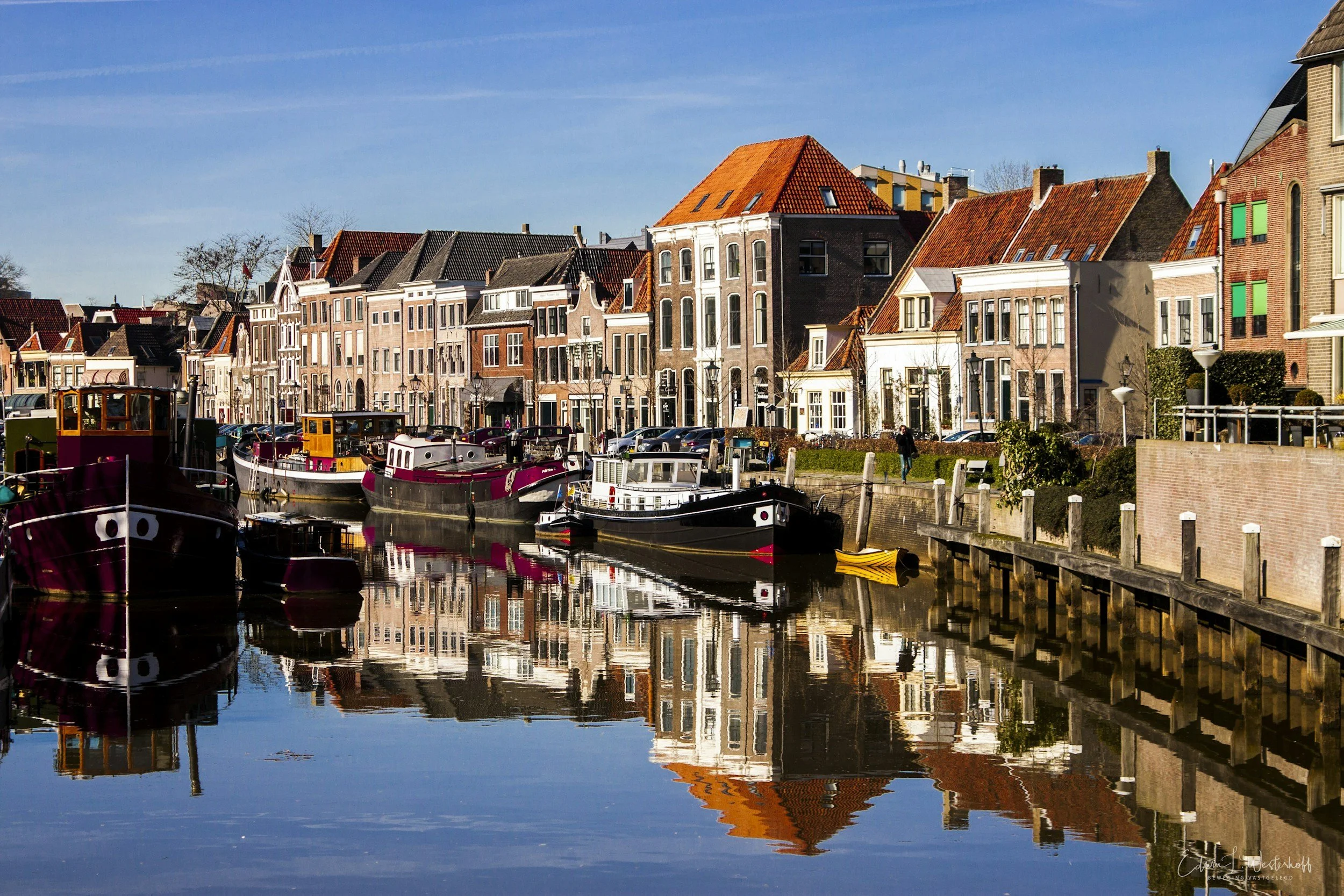
Drive to Zwolle for breakfast and a leisurely amble around the town
Day 2-6 - Bremen
ABOUT
Bremen (officially the Free Hanseatic City of Bremen, and its own state, the smallest in Germany) is a historic Hanseatic trading city with a strong civic identity and a long relationship with the river and the sea.
Bremen was a member of the Hanseatic League from the Middle Ages onwards, trading primarily along the Weser and North Sea. Its wealth, independence, and civic character were shaped by maritime trade, merchants’ guilds, and close links with cities such as Hamburg, Lübeck, and the Low Countries.
It has a compact centre, a working harbour, and a network of neighbourhoods. The old town, with its market square, guild houses, and riverside, sits comfortably alongside modern industry, culture, and everyday urban life.
Green spaces, water, and cycle routes run right through the city, making it easy to move around and out into the surrounding countryside.
ACTIVITIES
Book a factory tour of the Mercedes-Benz plant (public tours only available on Fridays)
Visit the "Valentin" bunker, ruin of a German Navy submarine shipyard from the Second World War.
Catch one of the ever-changing roster of exhibitions at the Kunsthalle
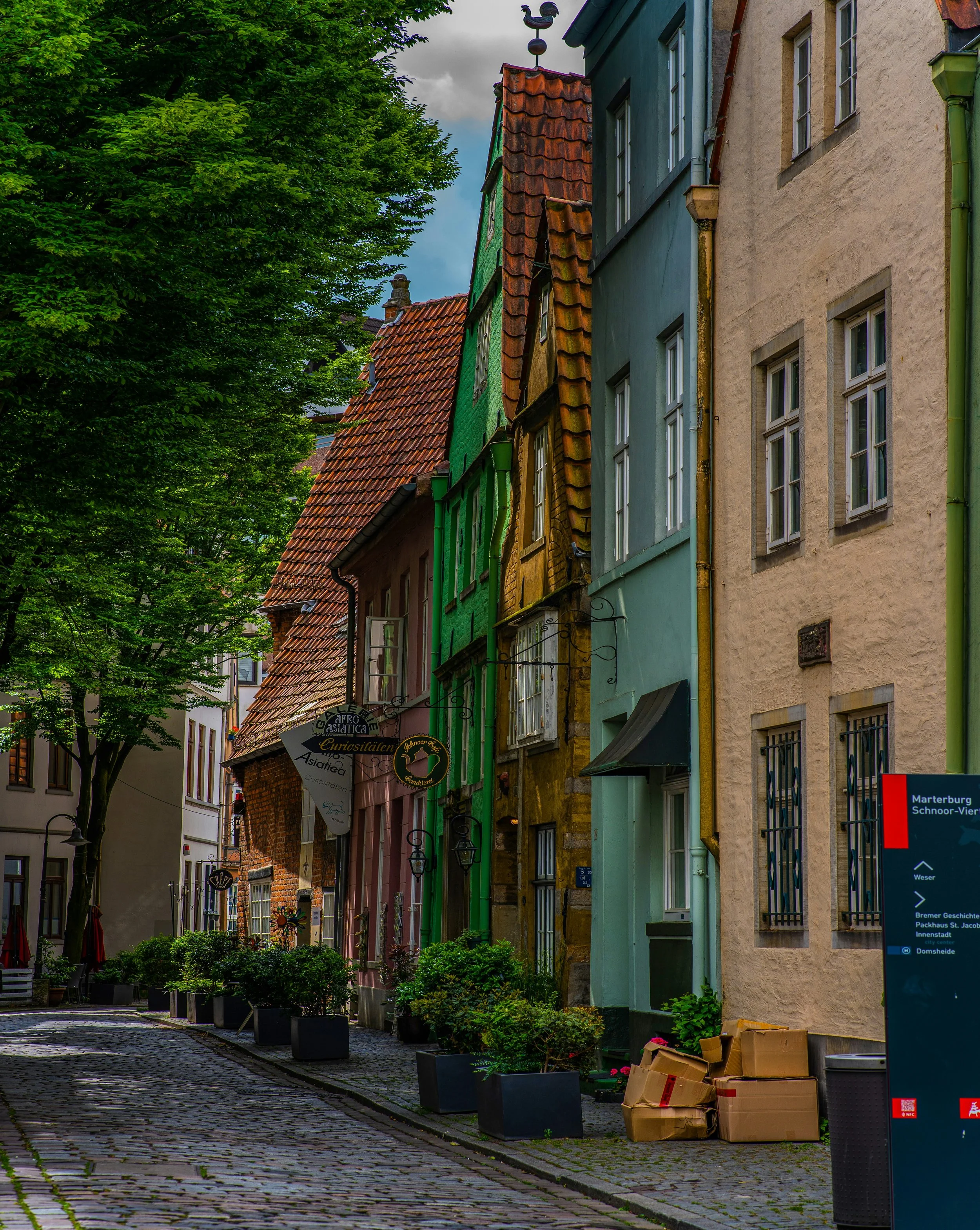
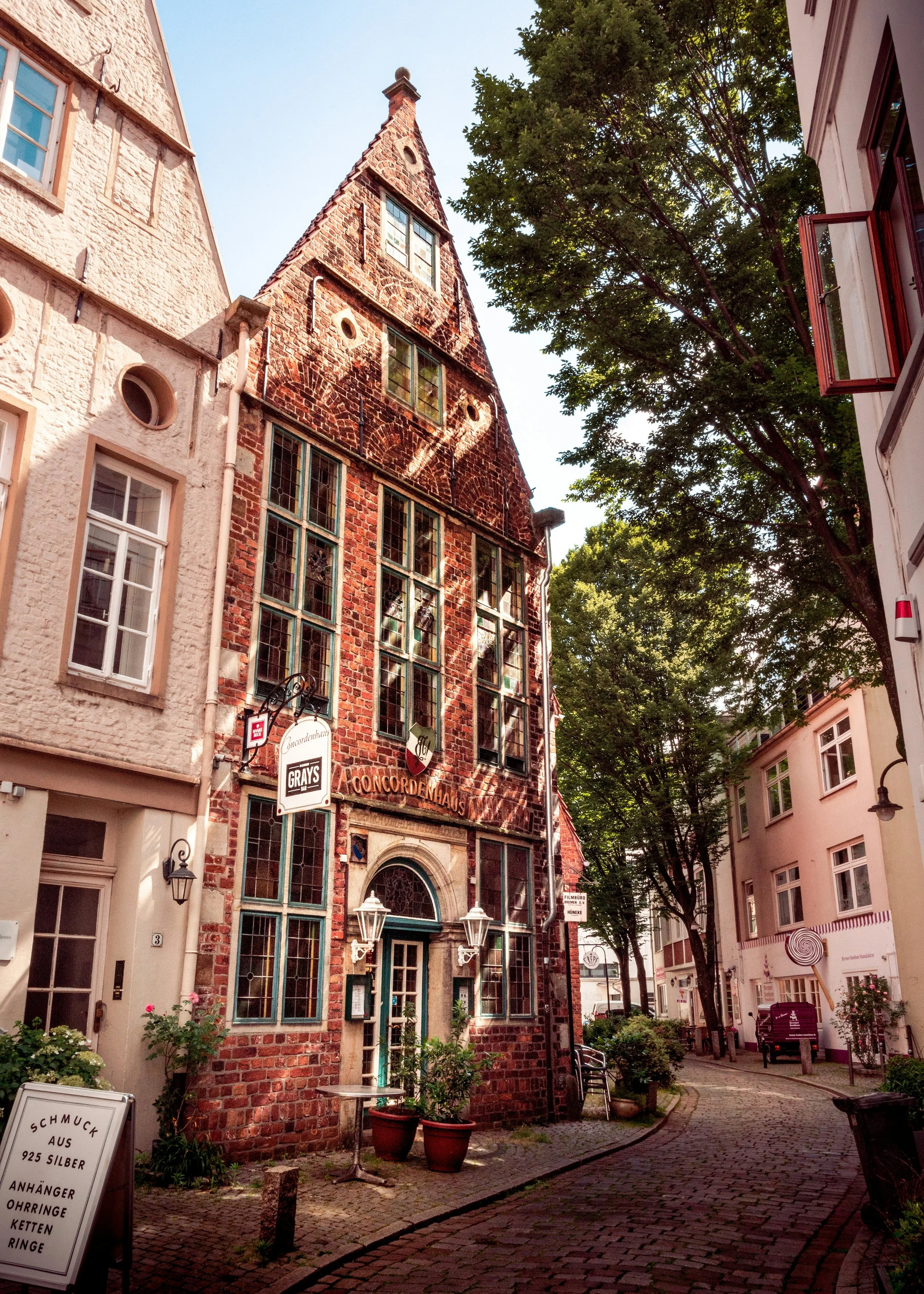
Wander the historic Schnoor district
Tour the historic Bremen Blockland aboard a peat barge, picnic included
Learn about cultivation and processing of tea at headquarters of the long-established company Berthold Vollers GmbH on a tea tour
FOOD & DRINK
Book at table at Hopfenfanger, brewery restaurant in a former rice warehouse on the banks of the Weser river
Food hall Markthalle Acht

RIDING IN BREMEN
Bremen is one of Germany’s top cycling cities. The city boasts over 700 km of bike paths, including dedicated lanes, advisory lanes, and cycle streets. Bremen pioneered the concept of “Fahrradstraße” (bike street) and even introduced Germany’s first bicycle zone in the Neustadt district, giving cyclists priority and reducing car traffic.
There are routes both in and around the city, including:
Blocklandrunde (26.5 km): A tranquil ride through marshlands and meadows.
Vegesack-Runde (55.1 km): A scenic loop with some unpaved sections.
Worpswede-Runde (62.8 km): A cultural route to the artists’ village of Worpswede.

ACCOMMODATION OPTIONS IN BREMEN
Park Hotel (5 star, in a park)
John&Will Silo-hotel (in a former Kellogg’s grain silo on the banks of the Weser)
Day 6 - Drive Bremen to Sylt
4h 20m driving, 350km
HIGHLY UNUSUAL! Arriving on Sylt by car requires you and the car to be loaded onto the Blue Car train at Niebüll
Day 6-9 - Sylt
ABOUT
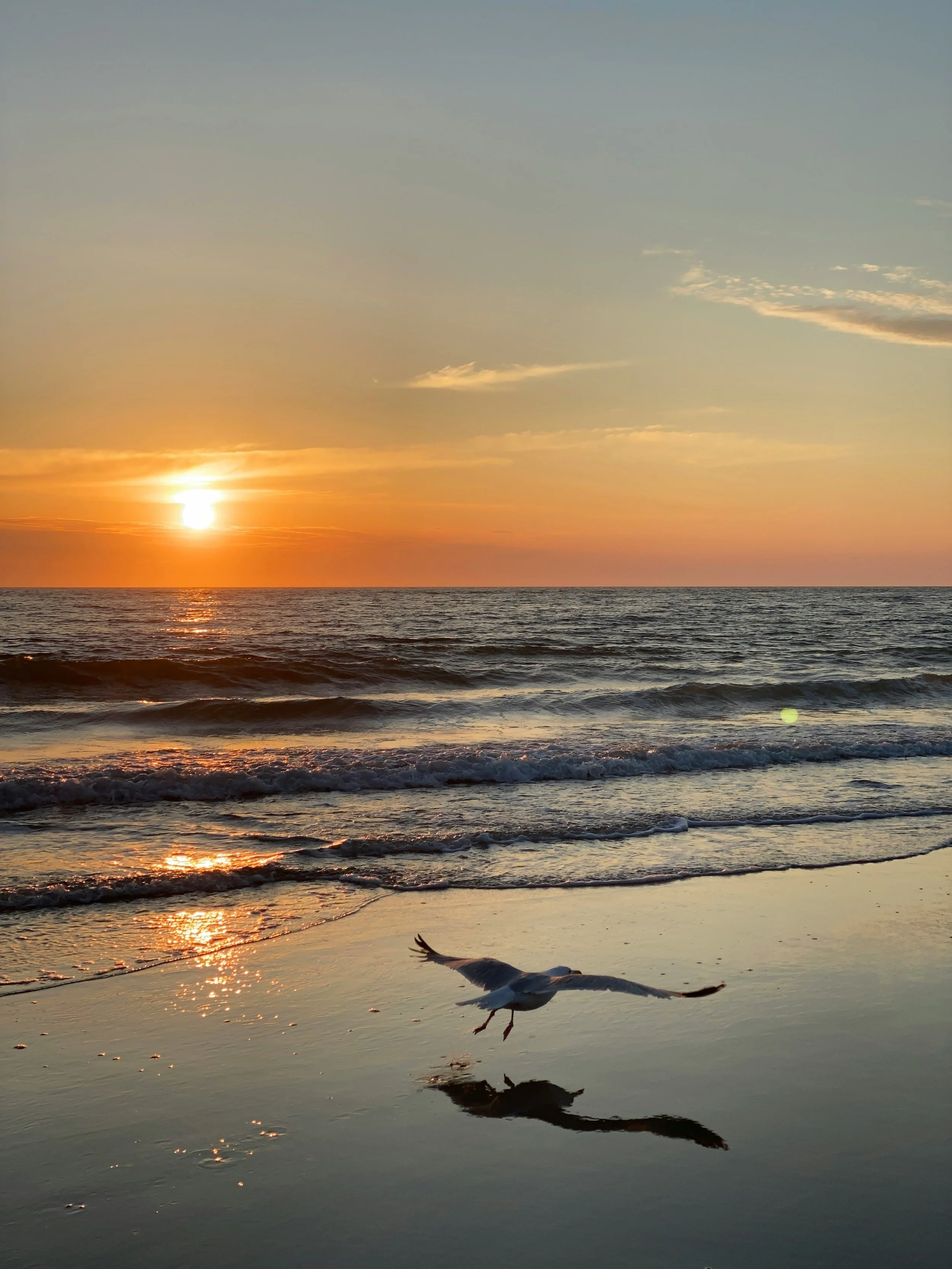
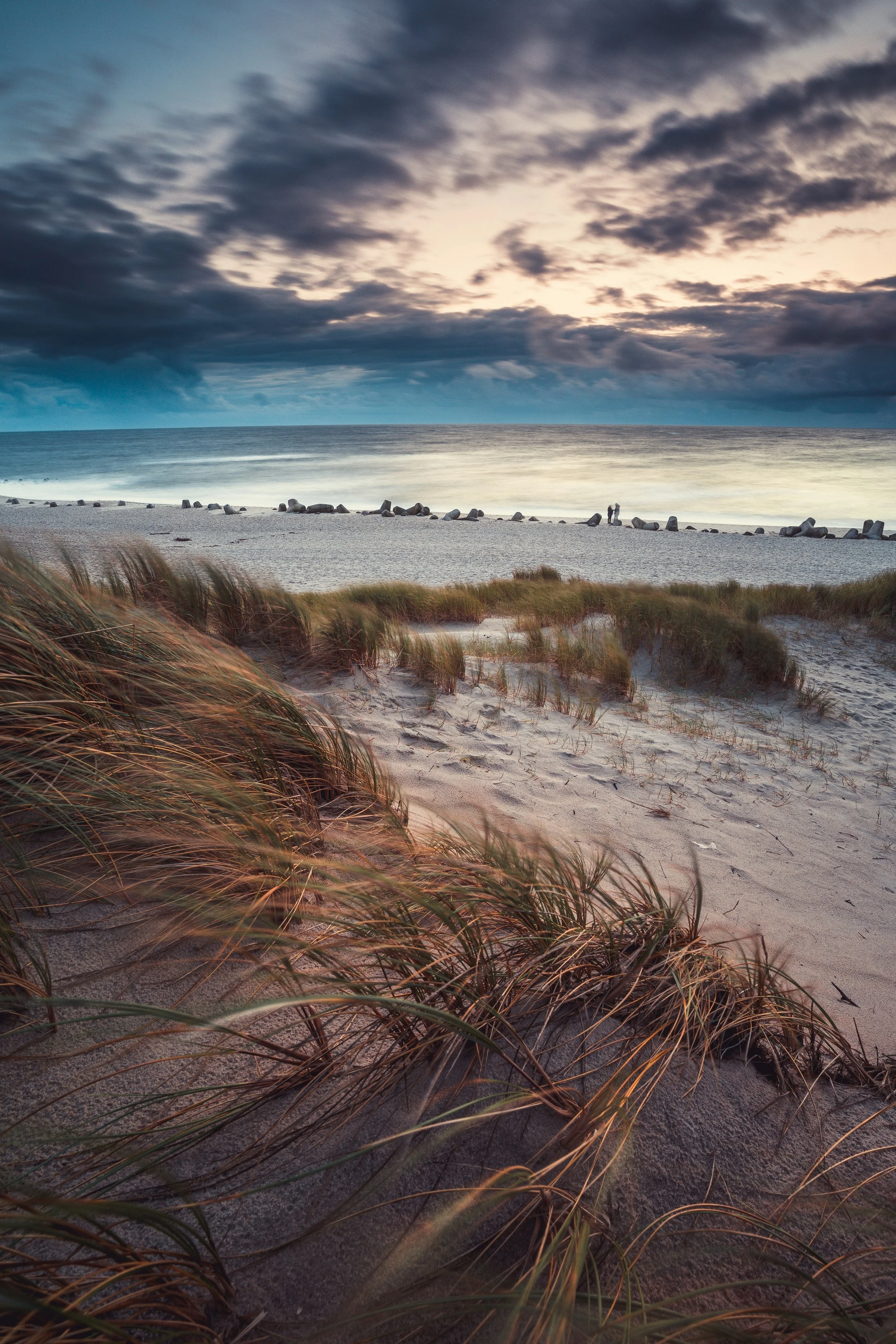
Sylt has a reputation for nature with high-end luxury. It is the premier destination on the Frisian Islands. There’s red cliffs, wild expansive dunes, highly changeable weather, seals, sailing, windsurf and many many high-end hotels and eateries.
The sky is big and the wind is prominent. It’s island life with a strong sea breeze.
ACTIVITIES
Cycling
Barefoot mudflat guided hike
Join in a beach plastic clean up
Tea Seminar & tasting - every Mon at 7pm
Scenic flights over Sylt & the Wadden Sea
Sunset beach hike - on the west coast of course…
FOOD & DRINK
Established in 1925, Bakery Jürgen Ingwersen is renowned for its Sylter specialties
Craft Beer festival in mid-June
Grab an ice-cream on a hike, from Sylter Eismanfaktur
White Dinner at Kampen
Surf & Turf at Butchrei
Lunch at cult beach restaurant, Sansibar
RIDING ON SYLT
Sylt is one of Germany’s most distinctive places to cycle. The island is compact but varied, with well‑maintained cycle paths linking villages, beaches, dunes, heathland, and tidal flats. Much of the riding is separated from traffic, and the landscape shifts constantly between North Sea drama and calm Wadden Sea views.
Routes are mostly flat, but wind plays a significant role.
Island Loop (ca. 60–70 km, depending on variant): A full circuit of Sylt, combining dune paths, villages, and long exposed coastal stretches.
West Coast Ride (25–35 km): A scenic route alongside the North Sea, with beaches, red‑cliff sections near Kampen, and wide skies.
Wadden Sea Route (20–40 km): A calmer ride along the eastern side of the island, with views across mudflats, birdlife, and salt marshes, particularly striking at low tide.
ACCOMMODATION OPTIONS ON SYLT
KontorHaus, Sylt - 7 suites/cottages with an attached tea room and shop
Relais & Châteaux Landhaus Stricker - 38-room hotel with Michelin-starred restaurant
Benen-Diken-Hof - hotel with holiday homes, restaurant and spa
Hotel Aarnhoog - 11-room boutique hotel
Alte Strandvogtei - collection of Frisian houses in a complex with breakfast & wellness
Day 9 - Sylt to Odense
3h 40m driving, 189km
Stopoff points: The Jelling Monuments UNESCO World Heritage Site, Christiansfeld UNESCO World Heritage Site, Gram Castle & Gardens, Stensbæk Skovcafé (open on Sundays only)
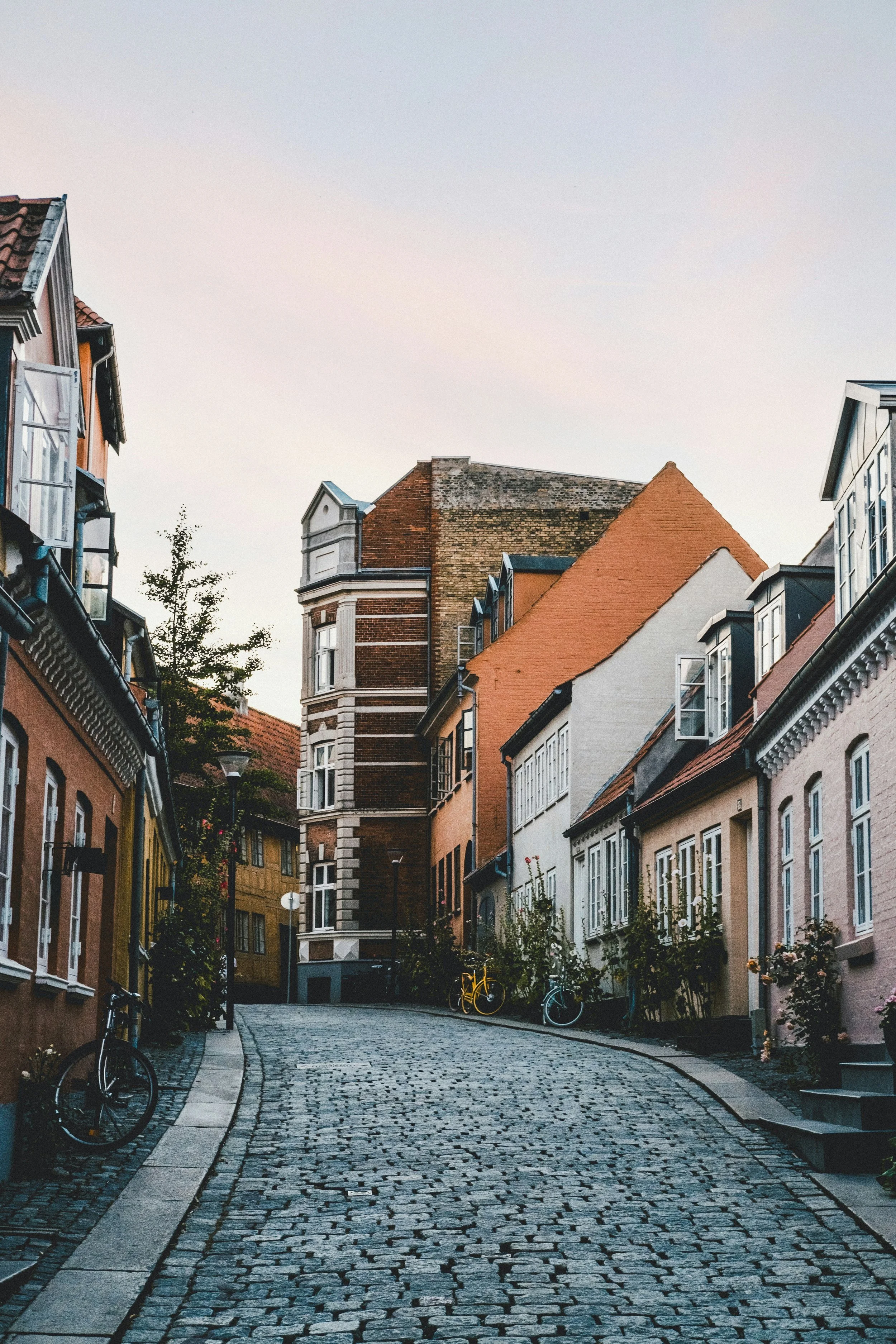
Day 9-13 - Odense & Fyn
ABOUT
Fyn (Funen) sits between Zealand and Jutland at the heart of the Danish archipelago, a landscape of rolling farmland, sheltered coasts, orchards, manor estates, and hundreds of islands scattered across calm waters. Denmark’s third-largest island, it is often described as the country's garden island, where villages, harbours, and market towns are connected by quiet lanes, cycle routes, and short ferry crossings.
At its centre is Odense, Denmark’s third-largest city and the birthplace of Hans Christian Andersen.
It's also a great place for a bike ride, with more than 1,200 km of signposted cycling routes and a strong cycling culture.
ACTIVITIES
Cycling, cycling, cycling. This region is ideal for it.
FOOD & DRINK
Odense street food hotspot, Storms Pakhus, in an old warehouse
Madklubben Odense
Café Sankt. Gertrud Odense
Brunsviger - a soft, fluffy yeast dough generously topped with a sticky, caramelized mixture of brown sugar and butter
Restaurant Aro (Michelin-starred)
Biweekly Farmer's Market in Odense - Wednesday and Saturday.
Nær Café & Mikrobageri Odense
Vild Hvede Bageri - an organic micro-bakery and mill in Northern Fyn, with shop and cafe with views of the lake, meadow and herb garden (only open Wednesday and Saturday)
RIDING ON FYN
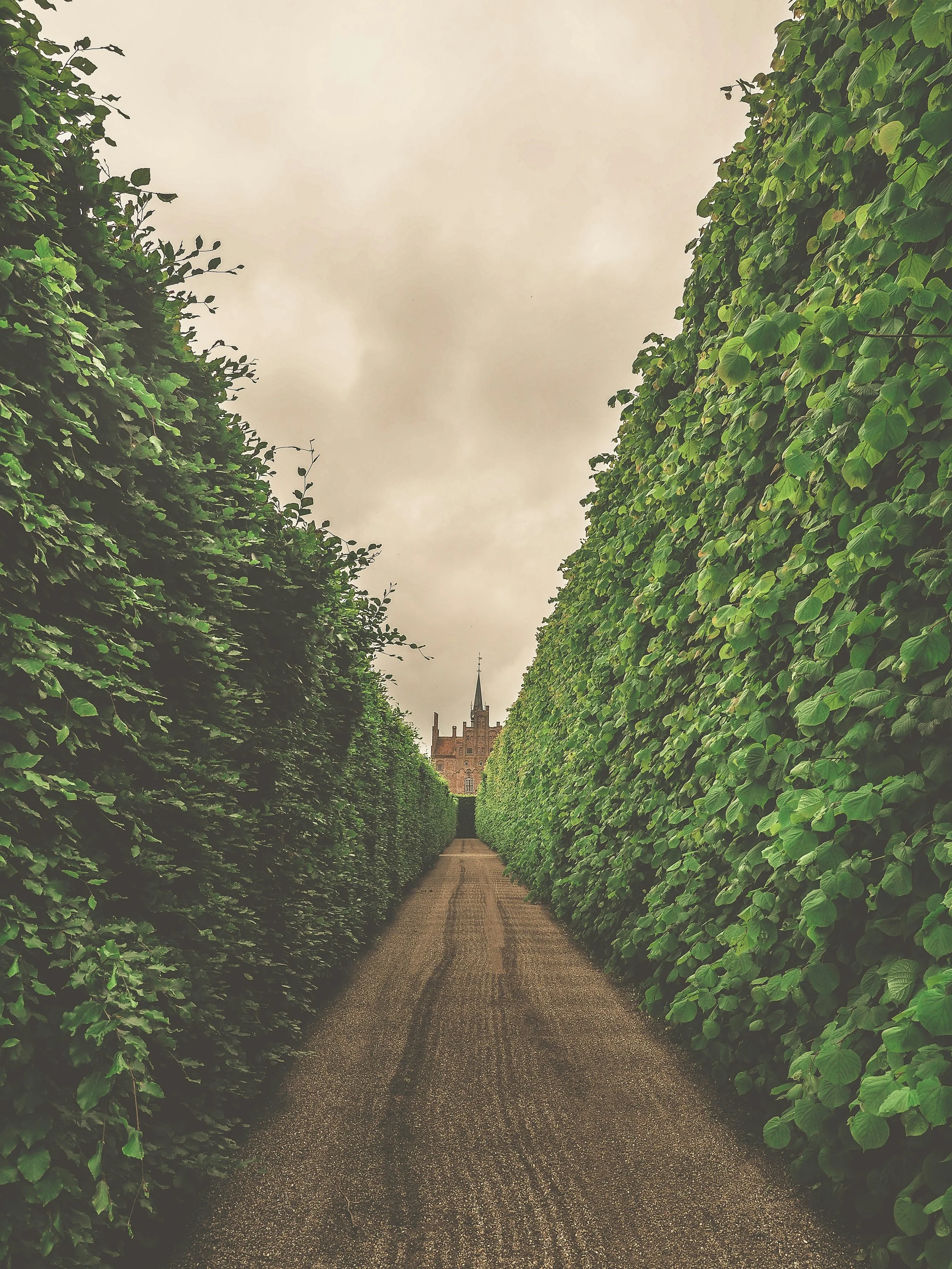
Fyn is one of the country’s finest islands for cycling. It is gently rolling rather than completely flat, with a landscape of hedged lanes, orchards, coastlines, and historic market towns. Distances are manageable, traffic volumes are generally low, and cycling infrastructure remains strong even outside the cities.
The main city, Odense, is one of Denmark’s leading cycling cities and consistently ranks among the most bike‑friendly places in Europe. The city is flat, compact, and designed around everyday cycling, with an extensive network of separated cycle paths, traffic‑calmed streets, and green corridors that make getting around by bike straightforward and safe. Cycling culture is deeply embedded here. Bikes are used for commuting, errands, and leisure, and routes are well signposted both in the city and into the surrounding countryside.
The island is threaded with national and regional cycle routes, many of them quiet, well signed, and designed for day rides or relaxed touring. You can ride coast to coast in a day, or link shorter loops around peninsulas, estates, and small island crossings.
There are routes across the island and along the coast, including:
Odense to Kerteminde loop (40km, 130m ascent): Described by National Geographic as “one of Europe’s best secret villages”, seaside Kerteminde is easily reached from Odense
Langesø and Elmelund Forest loop (45km, 230m ascent): For woodland scenery. Leaving Odense, the ride follows streams and forest tracks through Holeskov, Hesbjerg and Elmelund before reaching Langesø, one of Fyn's most attractive lakes. The landscape feels surprisingly rural despite being close to the city.
Enebærodde, Hasmark and Dallund Castle (84-86 km, 250 m ascent): A full-day ride into northern Fyn. The route follows the Odense Canal, skirts Odense Fjord, passes the Hofmansgave estate, reaches the long spit of Enebærodde, continues to Hasmark beach, and passes Dallund Castle. It combines coast, fjord, manor houses, and open countryside.
Heart of Fyn Route (40–70 km): A rural inland ride through classic Funen countryside, with rolling farmland, village churches, manor houses, and quiet lanes.
South Fyn Archipelago Rides (20–50 km plus ferries): Shorter rides combined with ferry crossings to islands such as Ærø, Tåsinge, or Langeland
Odense to Faaborg (45–60 km): A popular north–south crossing linking the island’s main cultural centre with the south coast, ending at a lively harbour town.
Fyn works particularly well for slow road touring, gravel riding, and mixed plans that combine riding with swimming, cafés, and small museums.
Day 13 - Odense to Münster
6h 30m driving, 580km
Stopoff points: Boberger Niederung Nature Reserve cycling trails, Altes Land (Europe's largest contiguous fruit-growing region. Quaint towns like Buxtehude and Jork sit amongst historic timber-framed houses) Reinbek Castle & Ahrensburg Palace, Lüneburg “City of Salt”
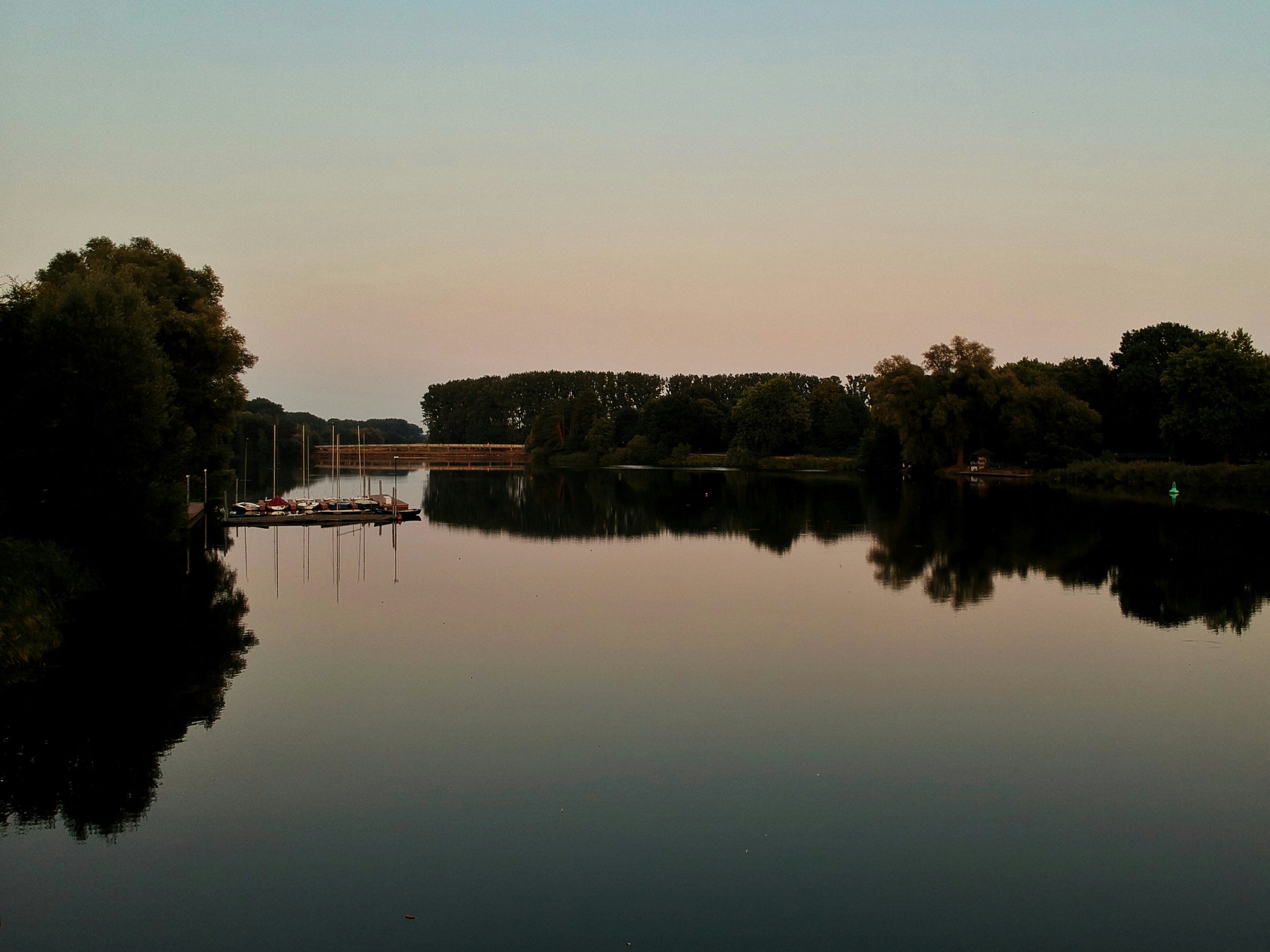
Day 13-16 - Münsterland
ABOUT
Located in the north‑west of Westphalia, close to the borders with the Netherlands and Lower Saxony, Münsterland is a region of broad horizons, moated castles and historic estates, all within a patchwork of farmland and waterways, and parkland, while lively towns and distinctive villages punctuate the landscape.
Whether on foot or by bike, unhurried exploration over long afternoons spent outdoors, is the order of the day here.
ACTIVITIES
Head to one of the many bathing lakes
See the last wild horse herd in Europe in the Merfelder Bruch near Dülmen (this would be a 90km loop from Munster)
Hohe Ward Forest area
Münsterland Picnic Days (usually around the Summer Solstice). The next “Münsterland Picnic Days” will take place from 18 to 20 June 2027. Picnics are culturally embedded here, with “picnic stations” dotted about where you might buy things like fruit, veg, milk etc. Easily combined with a cycle route
FOOD & DRINK
Breakfast at Hof Schulze Rötering in Ahlen (55km round trip cycling from Münster
RIDING IN MÜNSTERLAND
Münsterland is one of Germany’s classic road‑cycling regions. The landscape is predominantly flat to gently rolling, shaped by farmland, castles, canals, rivers, and historic towns and estates. Roads are generally smooth and well surfaced, traffic levels are low outside towns, and the area is exceptionally easy to navigate by bike.
Long stretches of open countryside are broken up by small towns, cafés, and bakeries, making it ideal for day rides from a single base. Wind can be a feature, but exposure is softer than on the coast.
There are endless routes throughout the region, many listed here.
ACCOMMODATION OPTIONS IN MÜNSTER
Stay just outside the inner ring rather than directly in the historic core, places like:
Bahnhof / Hafen quarter
Südost or Geist
North of the centre toward Kreuzviertel
Artful & Design home in Warendorf
Studio suite just outside of Munster
Waterside home just outside of Munster
House on a lake near Warendorf
Another traditional home in Warendorf
Cottage in Telgte, near Munster
Day 16 - Münster to Rotterdam
2h 50m driving, 249km
Stopoff points: Utrecht for lunch
Other Multi-Centre Itineraries