

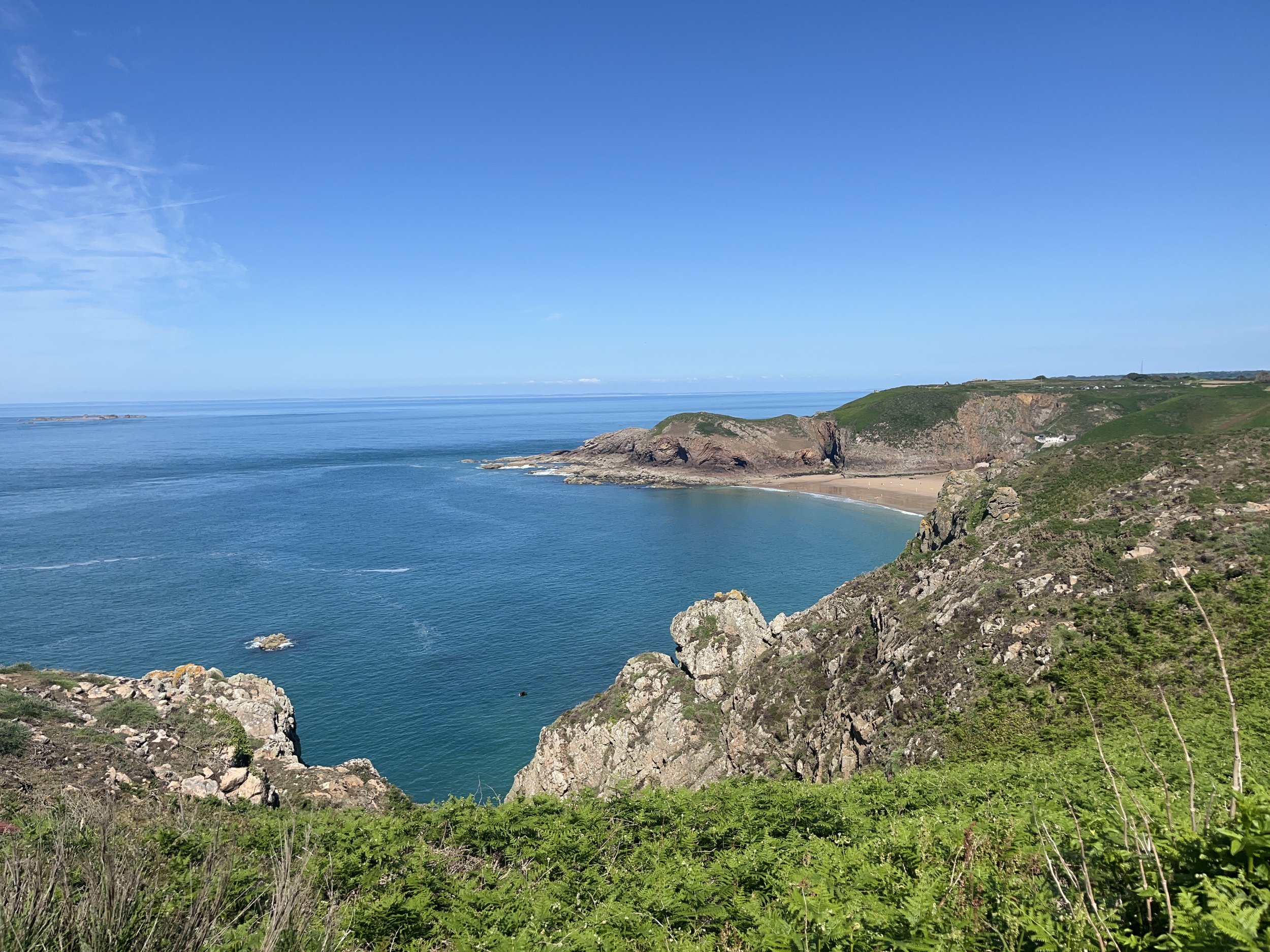



Avignon, France - a travel itinerary for Spring
Using historic Avignon as a base for exploring the Luberon and the Alpilles, my journal and itinerary with time for biking, river kayaking and soaking up the Provencal atmosphere. Our experience and verdict.


Itinerary At A Glance
7 day itinerary for Avignon in either April or May
based on flying from Leeds Bradford to Marseille, and hiring a car upon arrival
Highlights include outdoor adventures on river kayaks and bikes, strolling around Provence’s historic locations in the warm spring sunshine, and cooking at home with local Provençal produce
Based on a couple travelling, with a focus on leisurely outdoor and cultural activities, interspersed with time to just relax and soak up the atmosphere
Honest verdict
Does the place live up to expectations?
I love river cities full of the grandeur and confidence of a long and important history.
Capital of the Vaucluse and the Côtes du Rhône, seat of the Popes and city of art and culture, Avignon is a small city that has everything a big one has, with more beauty and grace than you can shake a stick at. The centre is walled, filled with medieval meandering streets, private mansions from the Renaissance, tiny squares, and modern cafe culture. One side of the city borders the Rhone and the countryside is not far, with beautiful regions such as the Luberon, Carmargue and Les Alpilles all within a 1 hour drive.
Top marks for location - there might not be a bad spot in the whole of Provence, but I feel like no-one talks about Avignon so it felt a bit like we were discovering a place that other Brits know nothing about. The city itself is truly beautiful - clean, historic, vibrant, atmospheric - and the surrounding countryside equally so - verdant, relaxed, elegant. This place matches the photos, the hype and the general popularity.
We found this to be a superb base for sampling both Provence’s historical sites and outdoor beauty.
Does the itinerary work for the trip?
Yes - I wouldn’t usually spend 7 days in a city, but this one worked. Avignon is only a small city, and makes an ideal base for day trips in the provencal surrounds. Coming back to Avignon each evening meant we could take advantage of the excellent selection of bistros and restaurants in the city for dinner, and also enjoyed several breakfasts on a cafe terrace, watching Avignon’s gentle hustle and bustle thrum by.
However - the decision to fly from Leeds via Heathrow was not a good one. We had such a long wait in Heathrow and arrived in Avignon quite late. It would have been much better to go direct from Manchester.
We also took the bike with us on the flight but in retrospect, it wasn’t worth it for staying in the city itself - being inside a medium-sized city meant there was a fair amount of traffic so it was only used the one day. If we had chosen a more town or rural location as our base, I think the bike would have seen a lot more use.
Would I make another visit?
I would absolutely visit Provence again, though feel we wouldn’t necessarily need to return to Avignon. I would however, very much recommend it to anyone.

TRAVEL MEANS
British Airways, from Leeds to Marseille via Heathrow
We also hired a car for the entirety of the trip, which is necessary for getting around the region for day trips

ACCOMMODATION
This Airbnb
well-located apartment right in the middle of the city.
very ‘French’ in style
high-quality kitchen and bathroom.
Included a parking space about a 5 minute walk away (parking in the city is incredibly difficult so this was vital)
ACTIVITIES
Toured around a provencal market with a local - booked in advance with Airbnb Experiences. This was wonderful – a knowledgeable insider taking you round a food market in a place with such produce can’t be beaten.
River-kayaking along the Sorgue – booked in advance with Airbnb Experiences. Crystal clear, freezing cold and verdantly beautiful, this was a fabulously easy outdoor activity that offered a chance to see some of the nature of Provence. We saw kingfishers, beavers, navigated some little ‘steps’ in the river and just relaxed in the kayak – we travelled with the current so there was very little paddling involved!
Cycled up Mont Ventoux - well, my boyfriend did! Famous Tour-de-France stage, bit too serious for my tastes - I’m more of a leisure cyclist than a serious road biker. Reports from him though were that this was well worth the trip. We took his bike especially for this reason.
FOOD
We bought lots of fresh produce from Les Halles Food Market and ate at home
The reason we ate at home so much was not due to a lack of places to eat, but rather how exciting it felt to shop in Les Halles! ‘Les Halles’ in French literally means ‘covered market’ and you will find a ‘Les Halles’ in the vast majority of major French cities or towns. The one in Avignon is deserving of a superb reputation (which it has!) This market is composed of about 40 stall holders selling both fresh produce and ready-to-eats - Maison Violette bread and pastries stall to the left as you go in is superb.
Opening times: Les Halles is open every morning except Mondays. It’s especially lively Sunday mornings.
As well as Les Halles, the streets in the city are full to bursting with cafes, bistros, restaurants, traditional and international alike, and we sampled some of these also.
DAY TRIPS

Drive to Les Baux-de-Provence and take the audio tour around the Chateux de Les Baux
Located on a rocky plateau in the heart of the Alpilles, the town of Les Baux-de-Provence provides a breathtaking panoramic view down over Arles and the Camargue and the drive to get there is delightfully atmospheric. The town has been patiently restored and now boasts a historical and architecture heritage consisting of 22 listed buildings. In addition, the monumental “Carrières de Lumières” host extraordinary multimedia shows.

Arles
A major Roman centre, and famous for its amphitheatre and association with Van Gogh. We had a little stroll through the narrow streets of the centre and while it was sweet, I couldn’t honestly say it was a real highlight of the trip and wouldn’t recommend going out of your way for a visit here.

Wander Avignon itself
Historical, grand, and a bit of that fabulous ‘shabby chic’ the French do so well. Don’t take a map or use your phone - just wander without a plan. Its small enough for you to not worry at all about getting lost and you will surely stumble on some adorable little cafe as you walk, where you can sit out with a coffee and a viennoiserie, while you watch people go about their business. We spent at least two blissful half-days doing this.

Road-trip through the Luberon to visit the hilltop and valley villages
The Luberon is a beautiful region of rolling green hills and home to quintessential French villages, many having remained unchanged in centuries and boasting fantastic views across the area. An absolutely brilliant day-trip option with the villages about 30-45 min from one another, you can easily hit three locations in the day with time to stop and wander around. Our favourite stop of the day was in Lourmarin, though Gordes was also lovely. We did a day trip around here in the car but the region could be a week’s destination unto itself, and a great spot for some road biking and relaxing. Whatever it is, the way you tell your story online can make all the difference.
-
Take a tour around the Carmargue to see the flamingo and wild horses
Visit Aix-en-Provence - the city of water and the city of markets. Some kind of market — for fish, flowers, clothes, pottery, spices, jewellery, vegetables, cheese, fruit and more — is open seven mornings a week. Reputedly a beautiful city for an exploring and wandering visit on foot.
Stay for a full week in The Luberon - staying either in Lourmarin or Gordes
Other May Itineraries

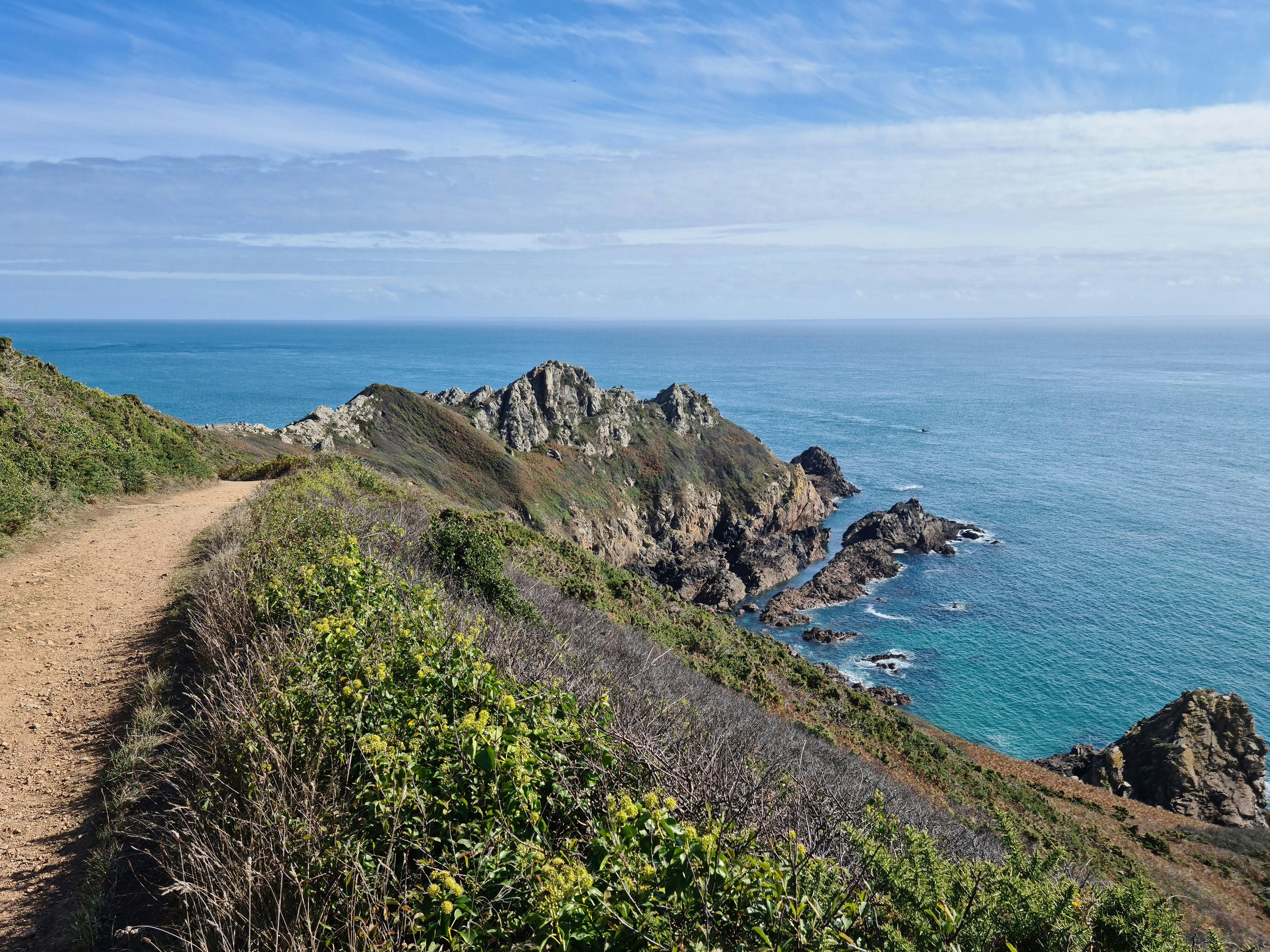


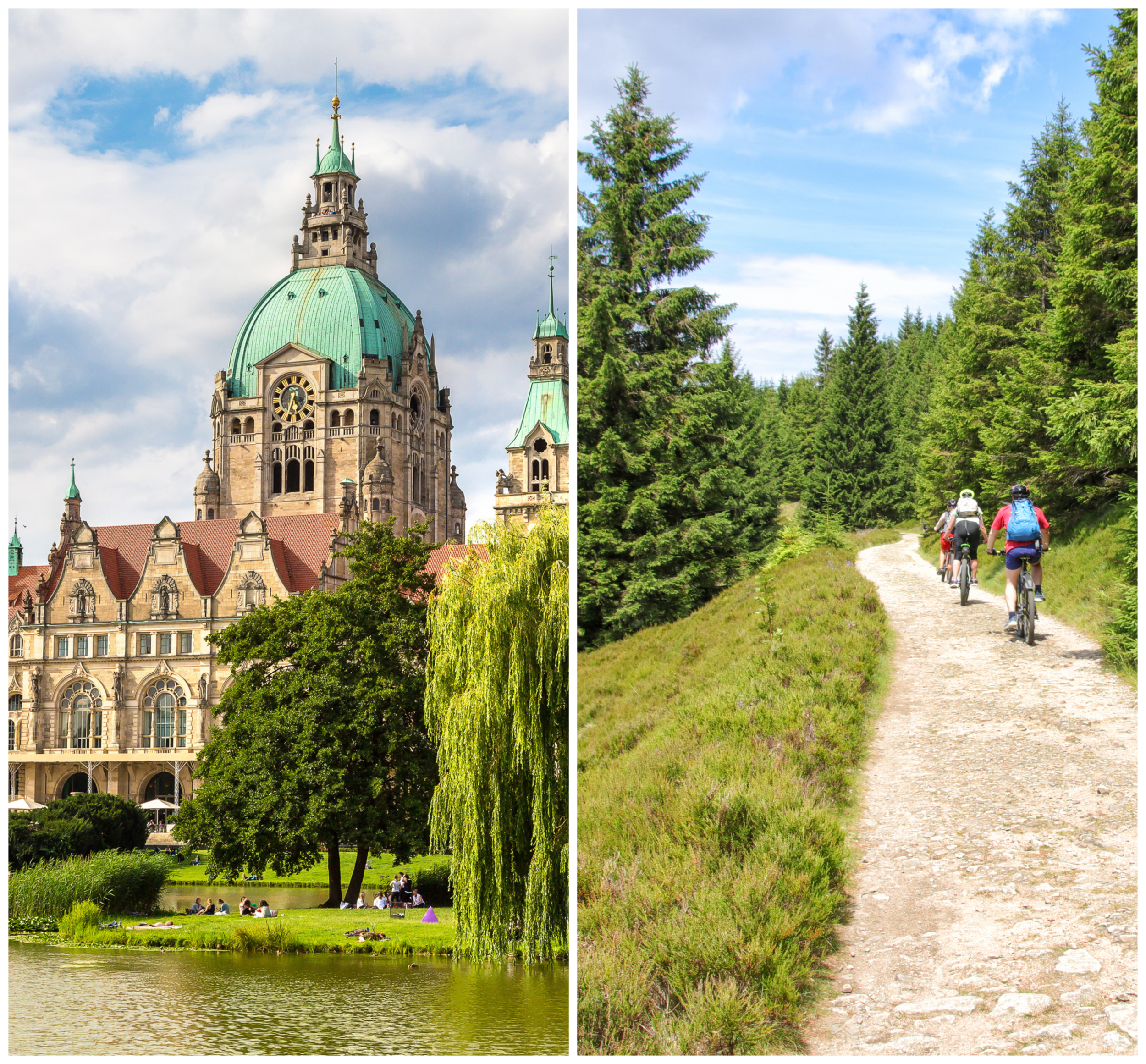

Can I call myself a minimalist?
Musings on the definition of being a minimalist - am I one and should I care either way?
What is a minimalist anyway?
I feel like the minimalism movement is closely linked, visually at least, with a single recognisable aesthetic of neutral tones, clean lines, limited print and colour, devoid of non-functional decoration. The aesthetic is quite spare and white seems very important. The modern 2020 minimalist seems to take pride in living with bare essentials and owning quite a small quantity of any one item with little to no excess contingency.
I reckon anyone would look at my wardrobe or my home, and while I don’t think it is cluttered, it’s certainly not quiet. I love colour, print, and I do own more than one of some things, a few knick-knacks, and several things I only use infrequently, which, to the ‘minimalist’, might be construed as missing the point? I can’t imagine myself in a white-walled home with very little art on the walls, wearing crisp white cotton or a basic tee and impeccably tailored jeans with no makeup. I can’t imagine myself not wanting to buy and own jewellery. I can’t imagine giving up my full-suspension mountain bike because I only use it about 5 times a year.
Despite this disconnect, I still want to call myself a minimalist, purely on the basis that I feel like I’m minimising my ownership of physical objects, and I’m changing my decision-making process when I do buy physical objects. I’m striving not to own for the sake of owning, striving to re-engineer my thinking and to ignore the cultural practices of consumerism that have taught me to love the buzz of buying new and to use the ownership of things as an indication of my success. I am genuinely enjoying the process of minimising and of refining my choices to match closely with my personal values, tastes and objectives.
So, can I call myself a minimalist?
Just through writing this post, I’m realising that I am making the same judgments about my own journey as I fear others might make about it too. Like I’m not worthy of the title minimalist until I’ve reached the goals of white walls, clean wooden floors, a wardrobe that could fit into a carry-on case and one bar of soap that cleans my kitchen, laundry and hair.
I am reminded that this has to be a personal journey that shouldn’t be judged, neither by yourself nor anyone else. Your goals or ideals do not need to match the visual chatter and distraction of aspirational and inspirational imagery.
The trick is to hear and identify ourselves amidst all that noise and so we can define goals and follow paths we see for ourselves. Forget the tribe and the formula. There is no objective, and even if there was, your personal circumstances and objectives might change a year from now - that’s OK too. This is what refinement is to me - paying attention to myself, honouring my unique set of needs, circumstances, tastes and desires and stripping away or ignoring anything that doesn’t speak to that. This process seems, quite naturally, to result in minimising what I do do and do own, to be able to focus on just a few really important things but I’m reminding myself that that doesn’t have to lead to owning a set quantity of anything and minimalism can be a fluid definition that can just mean what it means to me. Like love.
Maybe I am a minimalist or maybe I shouldn’t bother with the epithet. Maybe the naming of this thing is just the easy way out to try and define myself, to try and see where this is going when instead, I should just enjoy the ride.

Making more of a transeasonal wardrobe
I have started to change the way I approach building my wardrobe for a season.
Just this year, I have started to change the way I approach building my wardrobe for a season. The main objective of this change is to make as much of my clothing work across all the seasons if I can. I’m getting more creative about how things can be used to achieve this, and essentially ignoring all the typical fashion advice about what-to-wear-when, especially when it comes to colour.
For at least 15 years, I very much used to be the kind of person who stored away all my winter things at the start of April and brought out all my summer things, then swapped them all around again come about September. There are definitely benefits to this approach, probably the main one being that each time I did this, it felt like I had ‘gone shopping’, rediscovering clothing I loved and it felt new again. It also seemed to temporarily free up space in my wardrobe so that I was only looking at a subset of my belongings, so I felt, aided my being able to focus when deciding what to wear.
Despite this, the prompt to switch about this tried-and-tested method came about for 6 reasons:
This cycle kept me feeling like I needed to overhaul my style every 6 months and that there was something new I needed for the ‘new’ season. This kept me feeling flighty about my personal style, not intimately acquainted with it.
I had started to refine my personal colour palette and realised that the colours I loved and I knew looked lovely on me didn’t actually change to match the traditional colours of the fashion seasons
I realised that where I live, in the UK, it’s pretty temperate without so much extreme distinction between the seasons and several of the pieces I wear during our mild winters work perfectly well for a cool summer’s day also, and vice-versa
I actively wanted to make my clothing purchases work harder and to be able to keep wearing something as long as possible, for as long as I think it’s beautiful and complimentary to my style, and not hide it away unused for 6 months for some daft arbitrary rule I have imposed on myself
I had started to resent the additional storage space needed to keep my off-season wardrobe and instead, valued having that space free in my home
I noticed that not being able to truly see all of my wardrobe in one place also prompted unnecessary purchases as I forgot that I had x, y or z. I started to acquire more than I needed. For me personally, this is made worse by the fact that I buy a lot of secondhand and vintage clothing and since there is only one, the availability of secondhand means you grab it when you see it
Essentially there were many more reasons to change tack than there were benefits to keep doing the same as I had always done.
Interestingly, it seems that I’m not alone in this idea, and that there are seemingly many more of us who are moving more towards this model and the fashion industry is apparently following suit, as testified by this Harper’s Bazaar article I happened upon from March 2020.
So, for Autumn Winter 2020/21, I am planning to keep using as many pieces from my Spring Summer 2020 wardrobe as I can and the list is as follows:
1980’s cinnamon-coloured silk Betty Barclay trousers
1990’s black, bronze and brown silk halterneck dress
Markus Lupfer floral wool-blend mini dress
1990’s long silk Gottex blouse
Temperley white cotton blouse
Ganni floral mesh top
1970’s Beged Or forest green suede skirt
French Connection asymmetric silk skirt
1970’s ivory lace short-sleeved blouse
1970’s pastel dagger-collar blouse with little 'ducks’ print
Every piece on this list was purchased second hand with the exception of the Ganni top.
In the past, I would have seen these pieces as either too lightweight or the wrong colour to work in Autumn Winter but I love all of these pieces and they feel so current to me, they are absolutely representative of my personal style right now in 2020 so I have plans to get more creative to see if I can make them work. Some more thoughts on how I’ll try and make these work for a different season, later.
Being absolutely frank here, there are still pieces that are going to go into storage as ‘summer only’ but this is about half the number as I would have usually stored, so I’ll chalk that up as progress.