



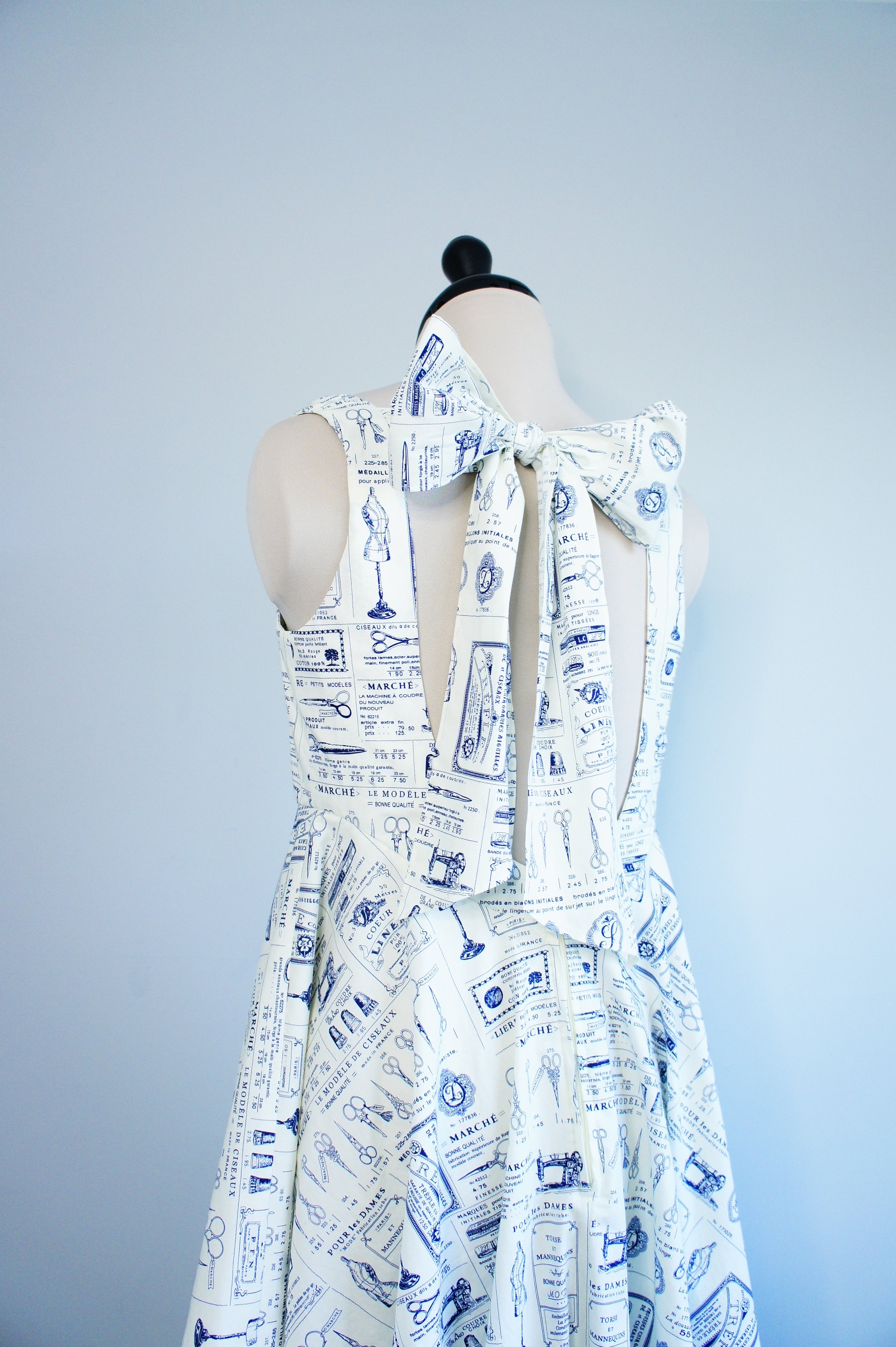
A loose-fitting tent dress with dagger collar
Working from a 1970’s Style pattern, turning craft cotton to the job of dressmaking - here’s how I got on. Main lesson: oversized is still a fit….


TOTAL TIME COMMITMENT: 18.5 hours including toile (note this dress is unlined)
Toile (without buttons, lining, interior seam finishing, basting stitch removal or hemming): 7 hours
Cut out & transfer all pattern markings: 2.5 hours
Main construction: 5.5 hours
Lining construction: none
Finishings (buttons, hem): 3.5 hours


SEAM FINISHING & DECORATIVE EXTRAS
Around all raw edges – overlock
Handworked buttonholes
VERDICT & LESSONS LEARNT
Oversized is still a fit – while I might not need the kinds of amends that make a garment fit closely to my body, I still need to pay attention to things like dart placement and length, size of armscye, position of shoulder seam etc. If anything, the precision of these details is what makes it look purposefully oversized, and not just a baggy shapeless mess. More so than with fitted garments, I also found myself considering how elements like proportion, fabric drape and hem depth contributed to the overall visual and ensuring that these design aspects offered balance, purpose and structure to the oversized fit. Overall, I loved fitting this oversized garment; it was such an enjoyable experience where I could try out some pattern adjustment techniques and exercise my ‘design eye’ at the same time.
I adore this pattern and the finished garment. As a petite, oversized is a very tricky thing for me to buy ready-made – they tend to swamp me as they aren’t proportionate for petiteness - and has led me to believe it doesn’t suit me but this project has disabused me of that notion. Being able to proportion the oversized-ness for me personally, I now have a garment that suits me well.
I don’t like the instructions for the interfacing on the inside of the button placket, but haven’t figured out a better option.
VARIATION IDEAS FOR ANOTHER MAKE
Use the facings as a guide to make a version with a cutout back
Make this in a liquid, drapey silk (Crepe-back satin silk?! Dare I?!) with smaller buttons up the front
Eliminate some of the fullness in the skirt, turn the side seams into slits, and make it into a long tunic for a co-ord set with a matching pair of wide-leg trousers
Make it a mini
Other Sewing Projects in Cotton




Southern Germany - a 12 night Summer road trip.
A hot summer road trip through Germany’s southern states. Castles, cakes, pretzels, bikes, hikes, lakes and beer all make an appearance. There’s nothing this place doesn’t have.
Itinerary At A Glance
12 night independent touring itinerary for Southern Germany, across the two southern states of Baden-Württemberg and Bavaria.
Based on flying into Stuttgart from Manchester, and back in from Munich into Manchester, in July
Highlights include an invigorating walk around the hills of Heidelberg, a leisurely stroll around spa-town Baden-Baden, rest-stop coffee on the Lake Constance lakeside in Lindau, biking in the Black Forest and around Chiemsee Lake, a visit to The Eagles Nest in Berchtesgaden, a tour around the Eisriesenwelt Ice Caves over the border in Austria, Black Forest Gateau in its home in the Black Forest, and daily pretzel indulgence.
Based on a couple travelling, with a focus on leisurely outdoor and cultural activities, interspersed with time to just relax and soak up the atmosphere



Honest verdict
Did the place live up to expectations?
I would say this trip exceeded expectations and doesn’t get the attention it deserves.
I think the common belief is that Germany is a land of industry and/or grungy alternativeness; Brits go to Germany for Oktoberfest or a kooky bohemian-alternative city break in Berlin or Munich, but no-one seems to consider it a place to summer so that of course made it even more appealing.
I always like to think I’m choosing ‘off-the-beaten-track’ options and I got it into my head that Germany might make a fantastic summer destination - I imagined floral meadows, rolling hills, dancing waterfalls and outdoor beer gardens - I wasn’t far wrong really, but add in castles, excellent baked goods and some World War II historical sites.
The regions we visited honoured history and tradition, in and amongst the gorgeous rolling green countryside. There is a magnificence about it, with what felt to me like a commitment to aesthetics and beauty. It was clean, welcoming, green, varied and with much to see and do as a tourist.
We absolutely LOVED this trip, and have fallen a little bit in love with Germany as a result.
Did the itinerary work for the trip?
Logistically, Germany is both very easy to get to from the UK, with only a short flying distance and multiple arrival/departure points, and very easy to move around with an excellent road system - for this reason, the independent touring holiday, spending 3 nights, 4 nights and 5 nights in different locations across the southern states of Baden-Württemberg and Bavaria, worked perfectly.
I settled on starting off with a city break in Heidelberg, a university city on the River Neckar with glorious Baroque architecture; moving on to stay in Triberg in the Black Forest, the birthplace of the Black Forest Gateau; finishing up at the biggest lake in the Bavarian Lake District, Lake Chiemsee.
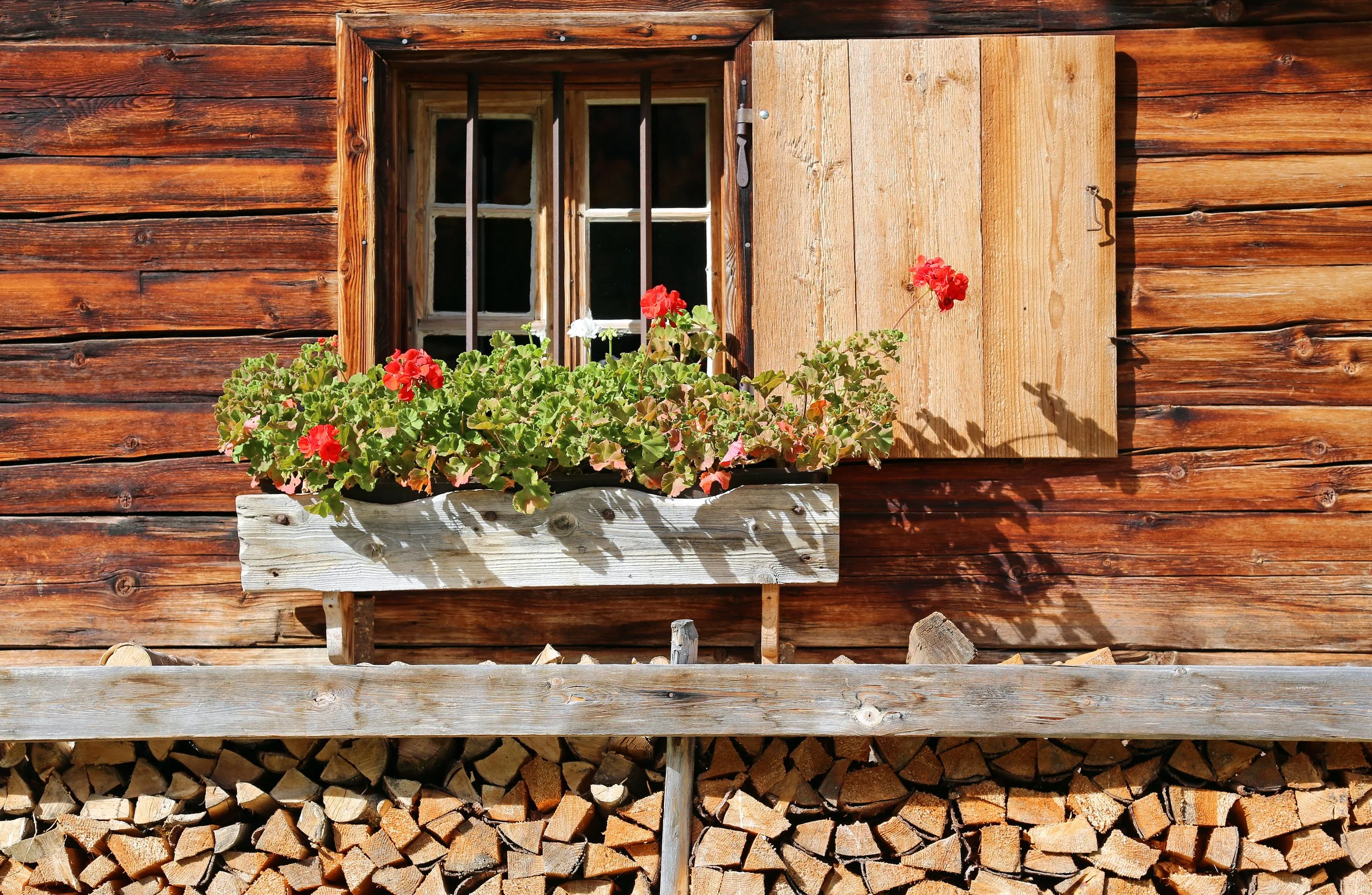
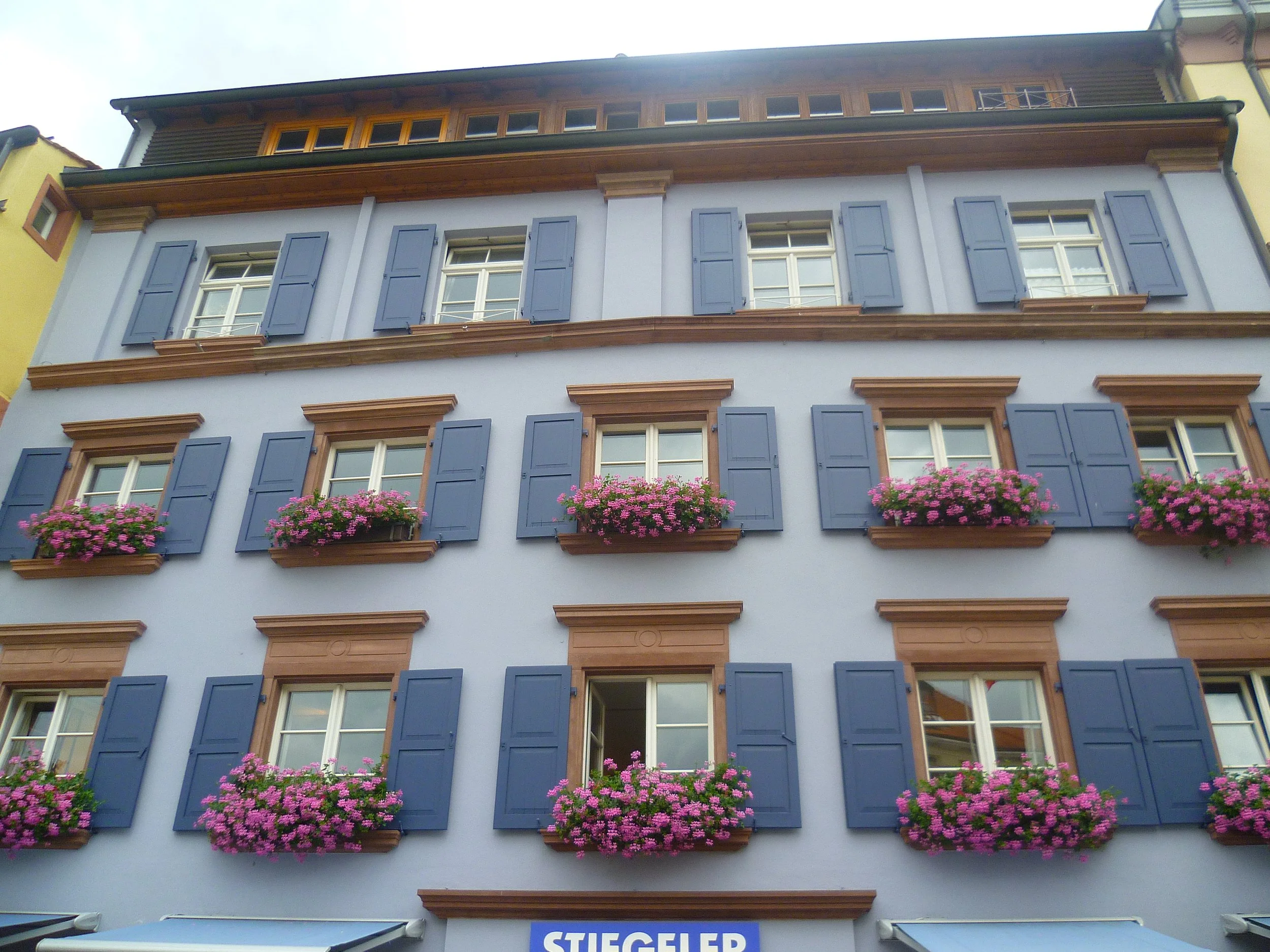
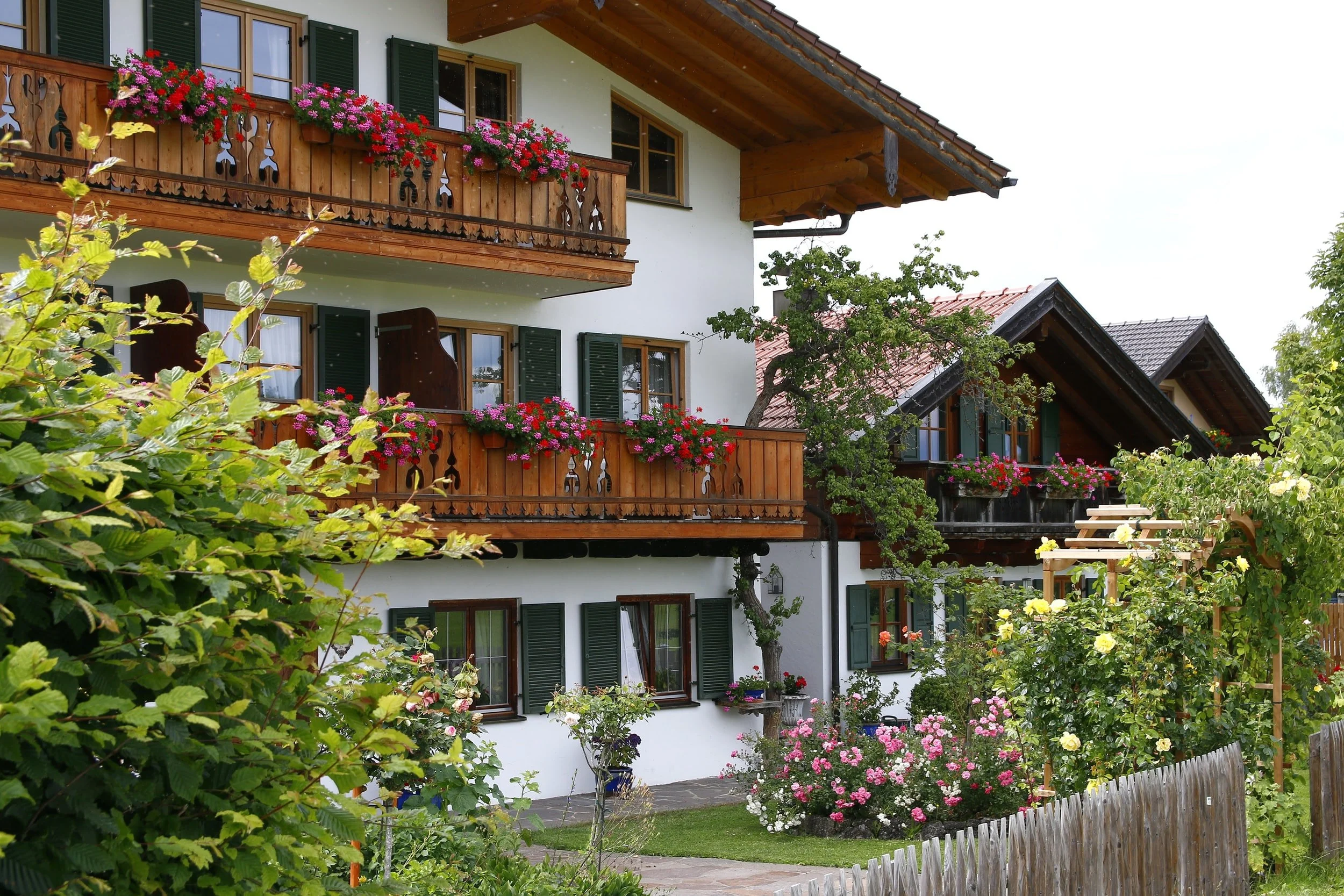
This almost felt like 6 holidays in one owing to the contrasts we experienced throughout the trip - we had 35°C weather and a visit to an ice cave where it was below freezing; we found Freiburg im Bresigau a vibrant and youthful place contrasted with the strong traditional feeling in the Bavarian Lake District; we had all of city, town, village, river, mountain, lake and forest. Some of the tiny memorable details of being in Germany were the colourful floral window boxes decorating most houses - we saw this everywhere - and the pretzels, the freshness and taste of which isn’t well replicated in pretzels you buy in the UK.
The weather is more changeable than you can expect in southern Europe, but it was very hot on at least half of our 12 days, with much opportunity to enjoy outdoor activity as a result and I would say generally hotter than the UK.
Don’t fall into the anglophone assumption that everywhere you go will speak English - they may not, so brush up on some German phrasing to help you through simple activities you know you are going to do regularly.
Would I make another visit?
I would definitely consider another summer holiday in Germany and I have considered a similar touring holiday crisscrossing the French-German-Swiss borders with stops in Freiburg, Colmar/Mulhouse, and Neuchatel. My advice for others would be to choose Freiburg im Breisgau as the base in the Black Forest. This little university city was absolutely buzzing, with delightfully unique little canals running through its streets. It would be an easy location to enjoy both the food and culture of a city and outdoor activities in the surrounding countryside.

FLIGHTS & OTHER TRAVEL MEANS
Fly with Lufthansa from Manchester, into Stuttgart, and out of Munich
We also hired a car for the entirety of this trip (it would be impossible without it) as well as bikes for parts of the trip

ROUTE & STOPS
Fly Manchester into Stuttgart; drive to Heidelberg for a 3 night stay
Drive from Heidelberg to the Black Forest (Triberg) for a 4 night stay; stop off at Baden-Baden along the way
Drive from The Black Forest to the Bavarian Lake District (Lake Chiemsee) for a 5 night stay; stop off at Lindau along the way
Drive from Lake Chiemsee to Munich; fly Munich to Manchester

ACCOMMODATION
Heidelberg
Hotel Chester on the outskirts of Heidelberg.
While the hotel itself was lovely, and we couldn’t complain about anything really - it was modern, clean, quiet, with good service and a very good breakfast - it was too far out to make the most of the 2.5 days we had in Heidelberg. This was a lesson learnt for me.
Black Forest
Inselklause in Triberg.
Hotel and service was lovely, but it was the wrong choice of location for us - it wasn’t central to anything we wanted to visit so everything became quite a drive away.
Lake Chiemsee
Hotel Bonnschloessl in Bernau am Chiemsee.
Traditional and classic - nothing to write home about for us, but clean, tidy and friendly.
SCHEDULE
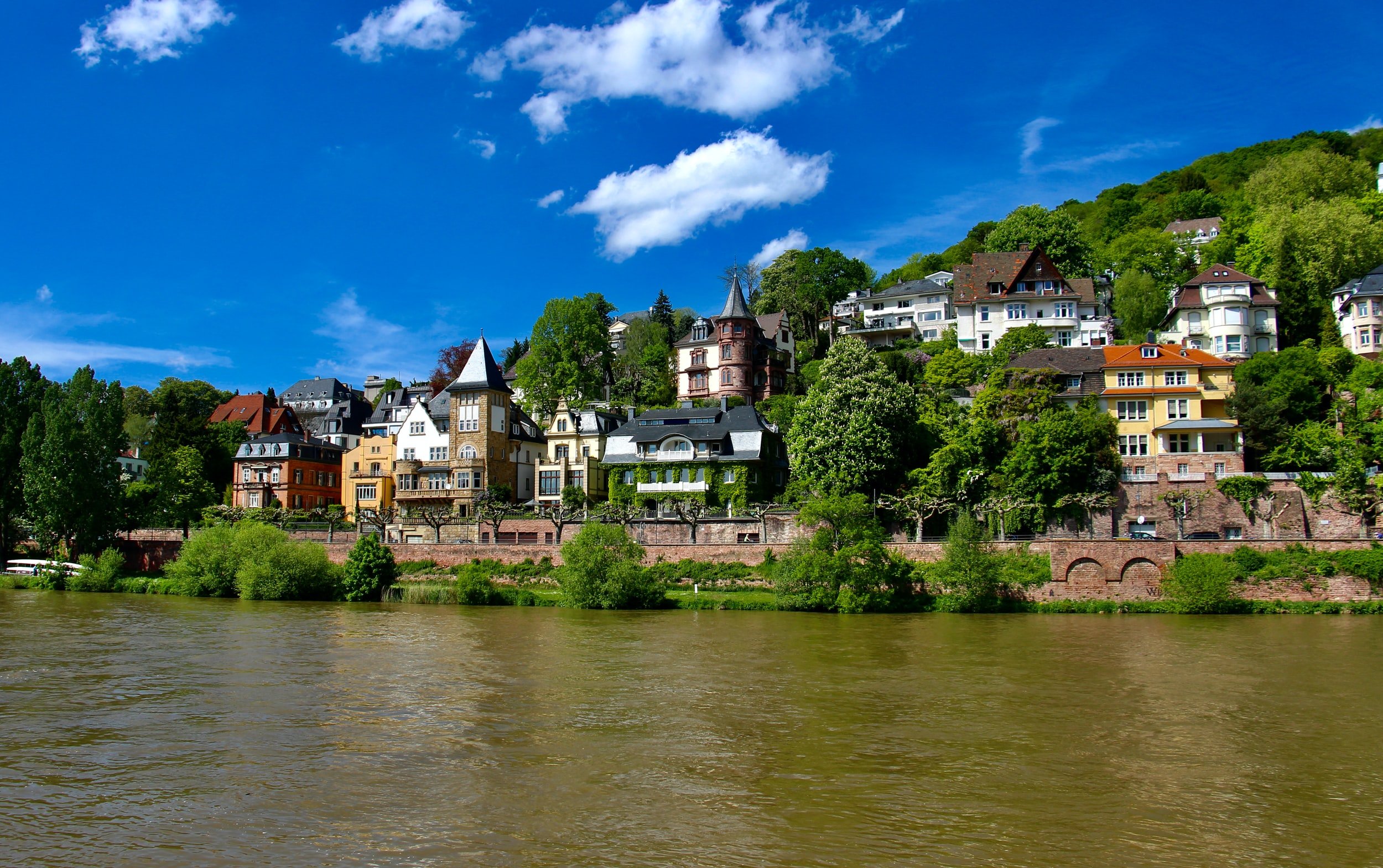
Heidelberg - Day 1 to 4
Visited Schwetzingen Palace (Schloss Schwetzingen) on the outskirts of Heidelberg. Glorious. The gardens in particular make an ideal place for a summer wander
Walked the Philosophenweg (Philosophers Way) on the western banks of the River Necker and accessible starting from the city centre. It is a nice physical challenge and offers excellent views of the city as well as interesting sites like the Heidelberg Thingstatte which is a Nazi-built open-air amphitheatre where thousands of people could gather for propaganda presentations. Eerie.
Visited the Technik Museum Speyer - an automotive and aviation museum on the outskirts of Heidelberg
Lunched at Strohauers Cafe in central Heidelberg. Classic and authentic with an outdoor seating area perfect for people-watching.
Had top-class coffee and cake at Bäckerei Utz on our day trip out to Schloss Schwetzingen.
Drive between Heidelberg & Black Forest - Day 4
About 180km, 2hr 15 mins driving
On our way through to the Black Forest, we stopped at Baden-Baden, a glorious little spa town at the start of the Black Forest for a little coffee and a peruse around this pretty affluent town.
Black Forest - Day 4 to 8
Walked the route alongside and over the Triberg Waterfalls - the highest in Germany
Had Black Forest Gateau at Cafe Schaefer in Triberg
The hotel we were staying in, Inselklause, also had a lovely restaurant and a river running just behind it meaning some of the dishes included caught-that-day river trout from their own back yard. Really good
Had absolutely gorgeous chocolate and baking confections at Gmeiner on our day trip out to Freiburg im Breisgau
Took a day trip out to Freiburg im Breisgau - a highlight of our trip. The city is funky, outdoorsy and with the most unusual little miniature canal system running through its streets. We actually parked at the top of the mountain outside Freiburg to take a trip on the Schauinslandbahn - a cable car connecting an upper station near the summit of the Schauinsland mountain with a lower station in the municipality of Horben, near the city of Freiburg im Breisgau. Then it was a short and simple tram ride from the lower station into the city and it was worth it for the peaceful views of the Black Forest as we made the descent

Drive between Black Forest & Bavarian Lake District - Day 8
About 420km, 4hr 45 mins driving
On our way through to Lake Chiemsee and to break up the long 5 hour drive, we stopped at Lindau on the banks of Lake Constance (Bodensee in German) and wow - this little lakeside town is just gorgeous - all little streets, pastel-coloured buildings, floral window boxes and loads of outdoor cafes and cobbled squares. It is actually a teeny island in the lake itself, reached by crossing a small bridge and it is definitely worth a stop here. Especially lovely are the food establishments that face out onto the lake itself.
Lake Chiemsee - Day 8 to 12
Dined at Schlosswirtschaft at Wildenwart. A lovely, traditional countryside restaurant near Chiemsee - authentic German food in a gorgeous rural setting.
Had delicious pretzels from Cafe Obermaier in Bernau
E-biked all around the Lake Chiemsee. A full-day 58km loop with scenic stops - a great way to explore the area.
Day trip out to Eisriesenwelt Ice Caves (Austria). I can’t do justice to just how otherworldly and spectacular these are, and it’s an uncanny experience to be in 25°C on the outside, dropping almost immediately to below freezing once you enter, even in July. Once inside, its a rather spellbinding vision of nature’s own ‘ice sculpture’ with huge mystical caverns of icicles, ice falls and ice shelves
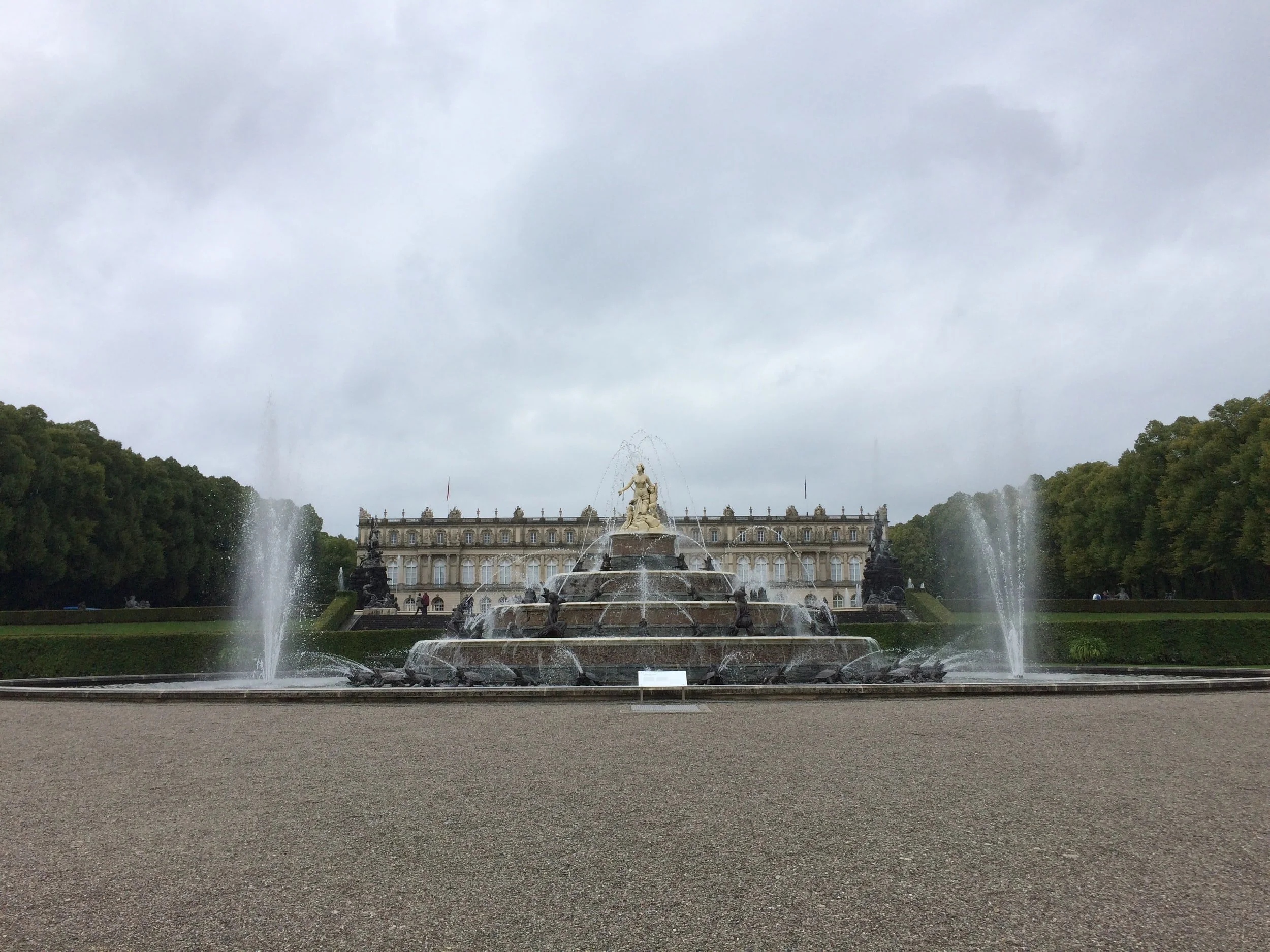
Herrenchiemsee. Took the ferry to the island to visit King Ludwig’s residence - regal, whimsical, and beautifully set on the lake.
Took a day trip out to The Eagles Nest (Kehlsteinhaus in German) in Berchtesgaden. This site was a symbol of power of the Nazi regime; decisions were made at the Eagle’s Nest and I believe it was a retreat option for Nazi leadership where they could hole up as it was very hard to access. The building stands perched over a sheer rock wall and to facilitate construction, a road was cut into the mountain through previously impassable terrain. We really enjoyed the visit, and there is a challenging scramble around the mountain at the top. We felt the controversial historical significance was handled humbly and with due remorse and chagrin for what it represents. To quote their website:
“Today however it still offers a magnificent and unique view of the surrounding countryside and also the opportunity to remember and learn about the inhuman dictatorship it served.”
FOOD AND DRINK - SPECIALITIES & CUSTOMS
I would sum up the best of German food culture as Cakes, Bakes and Beer. It is no lie to say that we had pretzels every single day of our trip, and I don’t think we had a bad one. They are sold in every bakery, in every town and village, and I have never tasted any better. Cakes generally were also some of the best I have ever had - easily rivalling more famous baking destinations like Paris or Copenhagen. Beer choices and quality were also superlative. These are the tastes of Germany for us, and it is well worth going to experience them.
Generally speaking, while we had good food during our trip, hot meals served for lunch or dinner tended towards hearty traditional grub made up of a potato option, some meat, and a sauce. Not necessarily the wildest or most inspiring of options, but tasty, filling and comforting nonetheless
Lessons Learnt for me
Prioritise location when choosing accommodation. On this trip, staying too far from the places we wanted to visit meant spending excessive time driving each day. I’ve realised that for city breaks especially, being within walking distance of the centre adds huge value — it allows for spontaneous outings, easy access to meals, and a more relaxed, immersive experience.
Touring with stops of 3–5 nights work well for an active pace; going longer or adding more stops can feel too hectic. Next time, I’ll plan fewer moves and choose accommodation that allows us to stay put for a few days — ideally within walking distance of key sights or no more than a 20-minute drive. That way, we can park the car and enjoy a more relaxed rhythm, with time to explore spontaneously and soak up the local atmosphere.
Other July itineraries


A cropped jacket in cotton twill from 1980’s New Look 6007 pattern
Using a 1980’s cropped suit jacket pattern as the starting point. Details on total make time, adjustments, seam finishes, and lessons learnt.


TOTAL TIME COMMITMENT: 16 hours including toile (note this jacket is self-lined in the same fabric)
Toile (without buttons, lining, interior seam finishing, basting stitch removal or hemming): 6.5 hours
Cut out & transfer all pattern markings (both main fabric and facing): 2.5 hours
Main construction: 7 hours
Lining construction: none
Finishings (buttons, button holes, hem): none


PATTERN CHANGES
I added a waistband and cuffs – attach to the outermost layer, fold to the inside then stitch-in-the-ditch from the outside
Since I didn’t want to make this with shoulder pads (which the shoulder is designed for) but still wanted a ‘slouchy’ ovesized shoulder fit, I reduced the shoulder length by 2.5cm at shoulder head, grading down the armscye by 15cm
Since this pattern has no lining, I chose to self-line the bodice by simply cutting extra pieces of the main bodice, and applying them in reverse. This very neatly hides all the interior raw edges
SEAM FINISHING & DECORATIVE EXTRAS
Armscye – overlock together
VERDICT & LESSONS LEARNT
This is a fantastic loose fit on me, and is excellent without the buttons. It’s a brilliant summer jacket option in the cotton twill fabric – serves all the same purposes as a denim jacket but a bit different.
These sleeves were incredibly difficult to set in, but I managed it without a single pucker. I took a very long time gathering and pinning in place before sewing, then sewed from the side of the gathers to control that better. The extra careful effort was worth the smooth result.
One thing to note on fit, is that I still think the arms are a little too long for me, which is disappointing for a made-to-measure, and I think it is because when ‘sizing them up’ before sewing, I hadn’t pressed the cuffs down, so they were a little ‘springer’ and higher before sewing and pressing.
I think the cuffs and waistband I added were GENIUS – they really finish this jacket off for me, much more in-keeping with my style at the moment
VARIATION IDEAS
Add just two buttons at the waistband, double-breasted style single row of buttons
More 1980’s style

Central Cornwall - an active mid-week stay in Spring
Itinerary journal of my springtime holiday in Cornwall. Where we ate, what we saw and how we enjoyed biking around the countryside.
Itinerary At A Glance
4 day independent itinerary for Central-Eastern Cornwall, based on driving from Leeds, in April
Highlights include Charlestown, Tintagel castle, dinner at Rick Stein’s, biking the Camel Trail and of course, eating famous Cornish treats like the pasty and cream tea
Based on a couple travelling, with a focus on leisurely outdoor and cultural activities, interspersed with time to just relax and soak up the atmosphere


Honest verdict
Does the place live up to expectations?
The only reason I booked this was that the pandemic forced me to consider staycation options. I myself have never paid attention to Cornwall, resistant mainly because it felt like too ‘obvious’ a choice, and since novel and unfamiliar cultural experiences is one of the main reasons I enjoy travel, holidaying on UK soil is usually very low down the list of options. Needs must in this case. Research turned up interesting historical sites, strong food culture and a countryside ideal for exploration by bike which is all the typical hallmarks of a destination we enjoy, so I booked.
Despite this, I still felt a bit bratty about it before we went; like I was being punished and not being allowed to travel abroad so this was like a version of being grounded…………..but having been and come back, I have completely amended my viewpoint.
Cornwall is not famous for nothing! I think its reputation a holiday destination is well-deserved - the countryside is attractive, there is plenty to see and do wherever you are in the peninsula and the food is great. I found the North Coast less attractive than the South Coast. It also felt like an island to me when we were there; the sea is almost always in view, which adds to the illusion of being ‘away’.
Turns out, staying in the UK can be just as enjoyable a holiday as going abroad, especially if the purpose is to just relax and enjoy some simple pleasures.
Did the itinerary work for the trip?
Cornwall is a very very long way from Yorkshire, so travelling such a distance means a weekend is really out of the question.
4 nights felt spot on for us - this was my Mum’s suggestion and one I will use again - 7 full nights would probably feel like too much for us in the UK.
She also recommended we stay Monday to Friday which was genius; you get the weekend before and after which both gives you time to organise yourself and also sort of ‘elongates’ the holiday into still feeling like a full week off work.
Side bonus is that Mon-Thu rates are oftentimes a touch cheaper than the weekends.
We had a mixture of activity, culture and history; and there wasy plenty more to do besides where we got to.
Would I make another visit?
In short, despite my reservations, I would, and probably will, go back.

WHEN
April
Very end of Spring

LIGHT & WEATHER
Long days, likely warm (not hot)
Sunrise: 06:56am to 05:57am
Sunset: 19:52pm to 20:38pm
14-15 hours of daylight

TRAVEL MEANS
Car & Bike
Driving from Yorkshire to Cornwall, with an overnight rest-stop in Bristol on the way down. About 6.5 hours each way.
Bike for activities whilst there.
ACCOMMODATION
We stayed in this Airbnb
This place was marvellous - very rurally located, luxury and modern, extremely well suited for a couple, with a fabulous little Japanese-style deep-seated bath and outdoor barbeque. Highly highly recommended.


SCHEDULE
DAY 1
Drive to Bristol; overnight in a Travelodge
DAY 2
Drive from Bristol, settle in
Biked The Camel Trail: a disused railway line that has been converted into an easy, mostly flat, bike trail
Cream tea at Tim’s Place in Wadebridge: very enjoyable and very attentive service (particularly for a cafe - felt more like proper restaurant waitress service)
Dined on the outdoor roof terrace at Rick Stein’s The Seafood Restaurant - this was when outdoor eating was the only option and admittedly, it was a bit too chilly to really fully enjoy it but we were so thrilled just to be in a restaurant, we still had a good time. Food, service and setting were all lovely.
DAY 3
Biked from Charlestown to The Lost Gardens of Heligan along Route 3 of the National Cycle Network - about 1hr each way. Enjoyed a leisurely afternoon wandering the ground and gardens before returning to Charlestown
DAY 4
Visited English Heritage site, Tintagel Castle. It is deservedly famous this place - a very large and imposing ruin of a castle perched on the north coast and spread over a large area. We spent a good few hours walking around imagining what it would have been like hundreds and hundreds of years ago. Recommended, especially as an off-weather day (which we had) - the blustery overcast and changeable weather just added to the atmosphere.
DAY 5
Had breakfast at St Kew Farmshop: this was KNOCKOUT!! Its a place for locals, so well off the tourist trail and you need a car to reach it, but it is worth it. Cafe and Farmshop combined, we had a delicious and healthy breakfast of pimped-up mushrooms on toast and a sausage-cheese English Muffin, and purchased local beef steak and asparagus for a barbecue at our accommodation later in the stay. They also have a lovely outdoor seating area looking over a small garden. Highly highly recommended
Wandered around Fowey (pronounced ‘foy’): a delightful little town on the south coast filled with independent shops and outlets. Just meandered the steep and narrow streets, drank coffee, soaked up the vibe, perused the little shops and admired the street art. If I was to recommend a place to stay in Cornwall, this would be it - the nicest town we visited on our stay
Ate freshly baked Cornish pasties from both Malcolm Barnecutts in Wadebridge, and Sarah’s Pasty Shop in Looe - both excellent. Controversially, the Cheese & Onion was my favourite
DAY 6
Drive home
Ideas for another visit
-
Stay in Falmouth for a bit of an arty ‘city break’
Stay in Penzance for close proximity to Lands End and access to the Scilly Isles - itinerary here
-
Stay in this converted Engine House for a uniquely Cornish accommodation
-
Visit the Museum of Global Communications in Porthcurno - apparently, in 1870, the first international telegraph cable was brought ashore at Porthcurno, connecting Britain to India and later other parts of the British Empire. By the start of World War II, Porthcurno was a critical hub for allied communications with 14 cables coming ashore, carrying some 70% of all communications. Looks fascinating
Book in to see a performance at The Minack Theatre - an open air theatre on the cliffside overlooking the sea
Visit Tremenheere Sculpture Gardens near Penzance
Go to The Eden Project - on everyone’s list really, but unfortunately closed when we visited
-
Visit Nancarrow Farm for one of their famed Feasts or Sunday Lunch with home-reared organic meat
Summer Sewing projects for a UK staycation


An itinerary for Santa Fe - atomic bomb history, mountain biking and art
10 nights in New Mexico combining art, activity and history.
Itinerary At A Glance
10 night independent itinerary for New Mexico in the central Southwest of the USA
Based on travelling Leeds to Santa Fe with a hop in Amsterdam and Atlanta. Car will also be essential to move between locations
Highlights include visiting the Manhattan Project Trinity Site where the atomic bomb was tested and the town where it was developed, hikes around the Kasha-Katuwe Tent Rocks National Monument, mountain biking around Santa Fe and ancient glyphs and rock art from around 1500AD
Based on a couple travelling, with a focus on leisurely cultural activities and biking, interspersed with time to just relax and soak up the atmosphere
Why here?
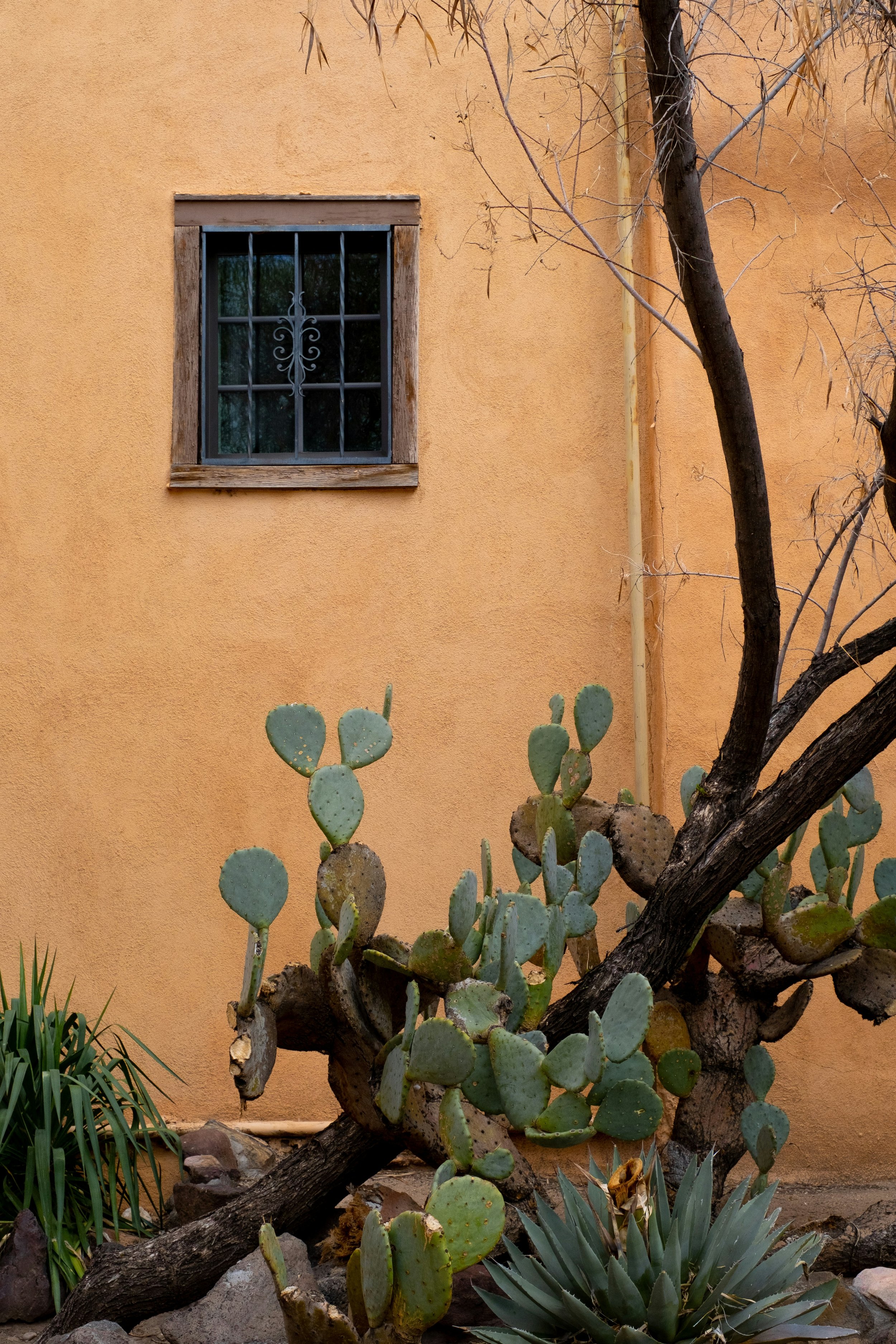
Like so much of my travel planning, this started with an offhand comment from a friend - she said New Mexico was the most surprisingly beautiful stop on her west-to-east US road trip. That was enough to spark my interest.
Santa Fe stood out quickly. Its history is layered: once home to Indigenous Pueblo peoples, later ruled by the Spanish Crown, then part of Mexico, and eventually ceded to the USA after the Mexican-American War. That mix of influences shows up everywhere — in the food, the architecture, the art — and gives the city a distinct cultural flavour.
Today, Santa Fe is the highest capital city in the US, known for its celebration of Pueblo heritage, its thriving arts scene, and its access to outdoor pursuits. Add to that New Mexico’s links to atomic history and space exploration — both of interest to my boyfriend — and it felt like a destination with real depth.
WHEN
October
It would work equally well for Spring - April - both with pleasantly warm days and cool evenings.
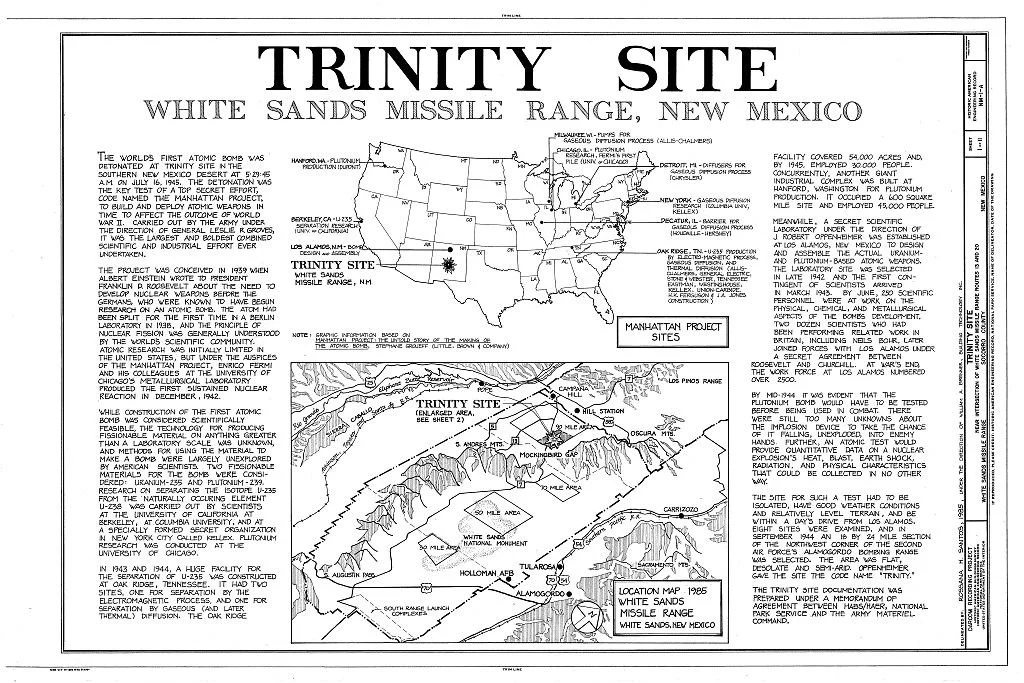
Importantly, the Trinity Site (where the first atomic bomb was detonated) is only open for visitors on the first Saturday of April or October; this will be a crucial part of our trip and so I would design the itinerary around being able to visit this.
Conversely to the UK weather, summer is the wettest season as well as being swelteringly hot and humid. I would avoid visiting at this time of year
TRAVEL MEANS
With KLM, Leeds LBA to Albuquerque ABQ, with stops in Amsterdam and Atlanta
Car hire will be essential for the duration of the trip in Santa Fe
ACCOMMODATION
Contemporary, minimal & artful pied-a-terre
Beautifully modern casita minutes from downtown
Clean and modern casita outside of downtown
Gorgeous traditional cottage in central Santa Fe with lovely rock garden
Sauna, hot tub and spectacular views in this traditional casita
Modern bungalow just outside the centre
Stunning cottage with gorgeous gardens
ACTIVITIES
Visit the Trinity Site
The whole reason for the trip, the Trinity Site (where the first atomic bomb was detonated) is open for visitors just twice a year - on the first Saturday of April or October. There is a coach tour departing from the Space Hall of Fame, which includes transport, snacks and entry to the museum afterwards.
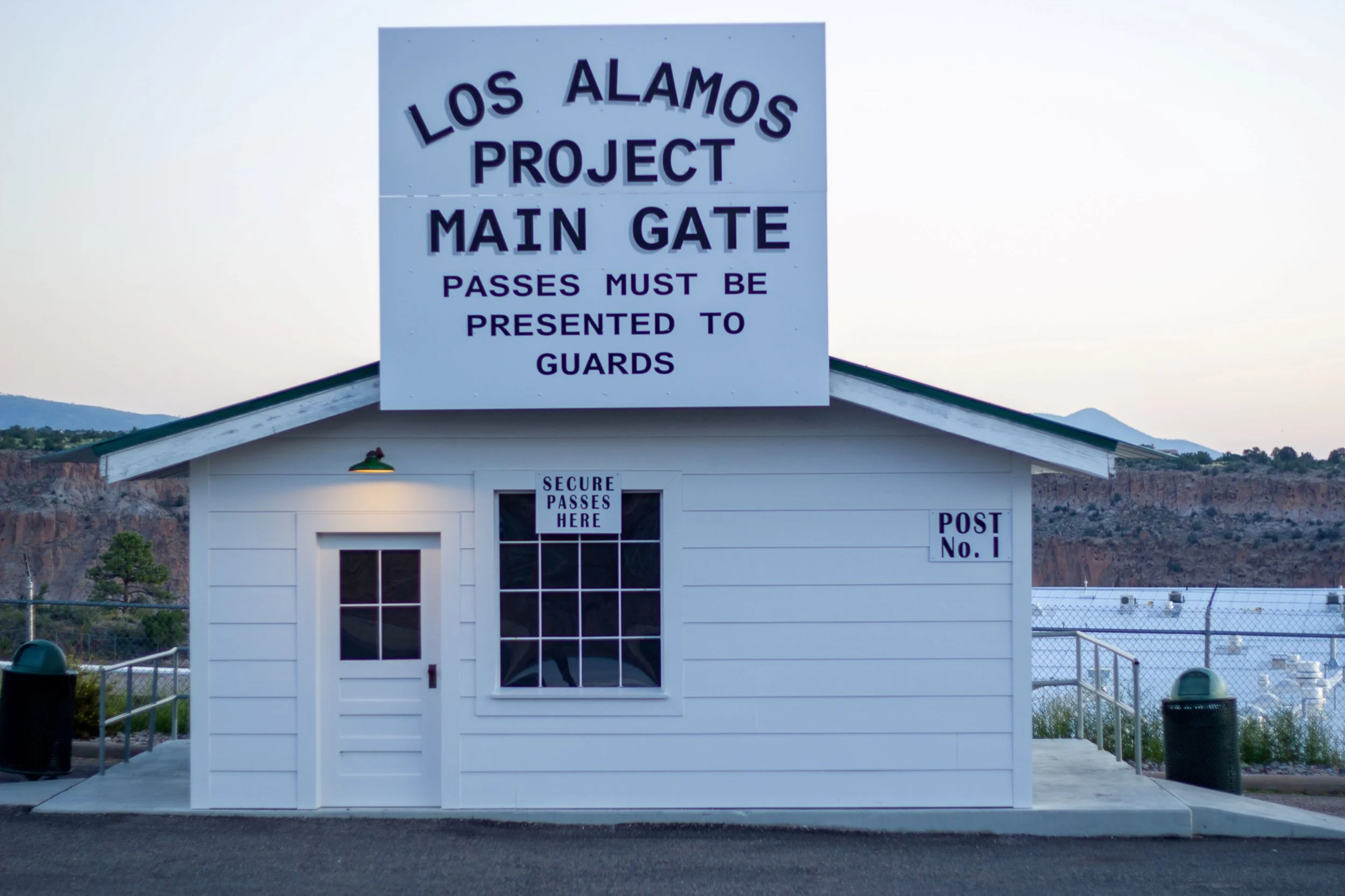
Visit Los Alamos
Take a day trip to Los Alamos to learn more about its important role in the development of the atomic bomb with this self-guided walking tour of the town and visit the Bradbury Science Museum, with its atomic bomb replicas and interactive exhibits of the World War II Manhattan Project (40 mins drive each way from Santa Fe)
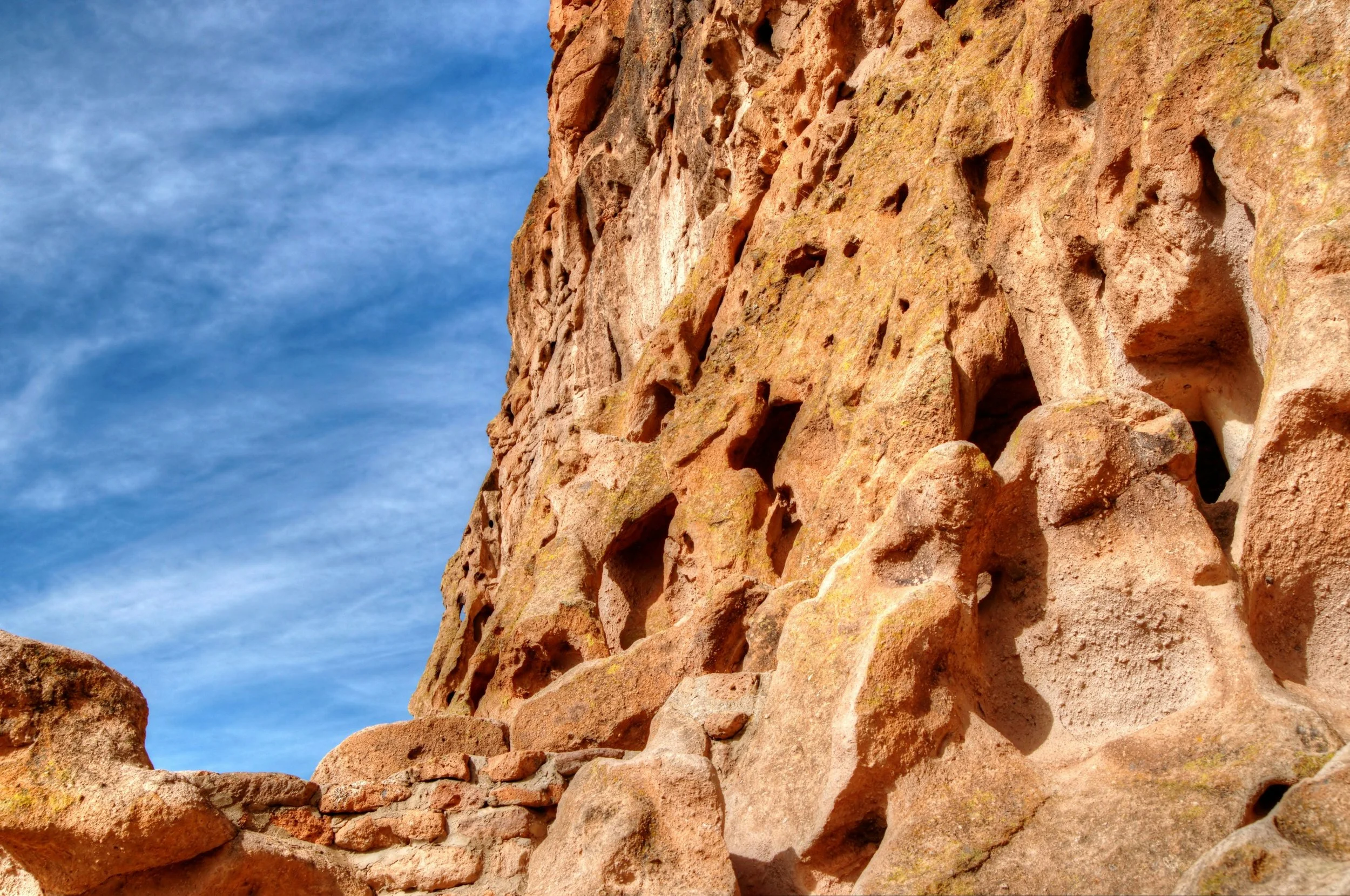
Hike Kasha-Katuwe Tent Rocks National Monument
About 40 miles south of Santa Fe, lies the Kasha-Katuwe Tent Rocks National Monument* where visitors can hike the site to take in the unusual rock formations.
*potential misinterpretation alert: in the USA, ‘National Monuments’ are nationally significant lands and waters set aside for permanent protection which is unlike how we use the word ‘monument’ in the UK, which usually refers to a building or structure, that is of historical importance or interest.
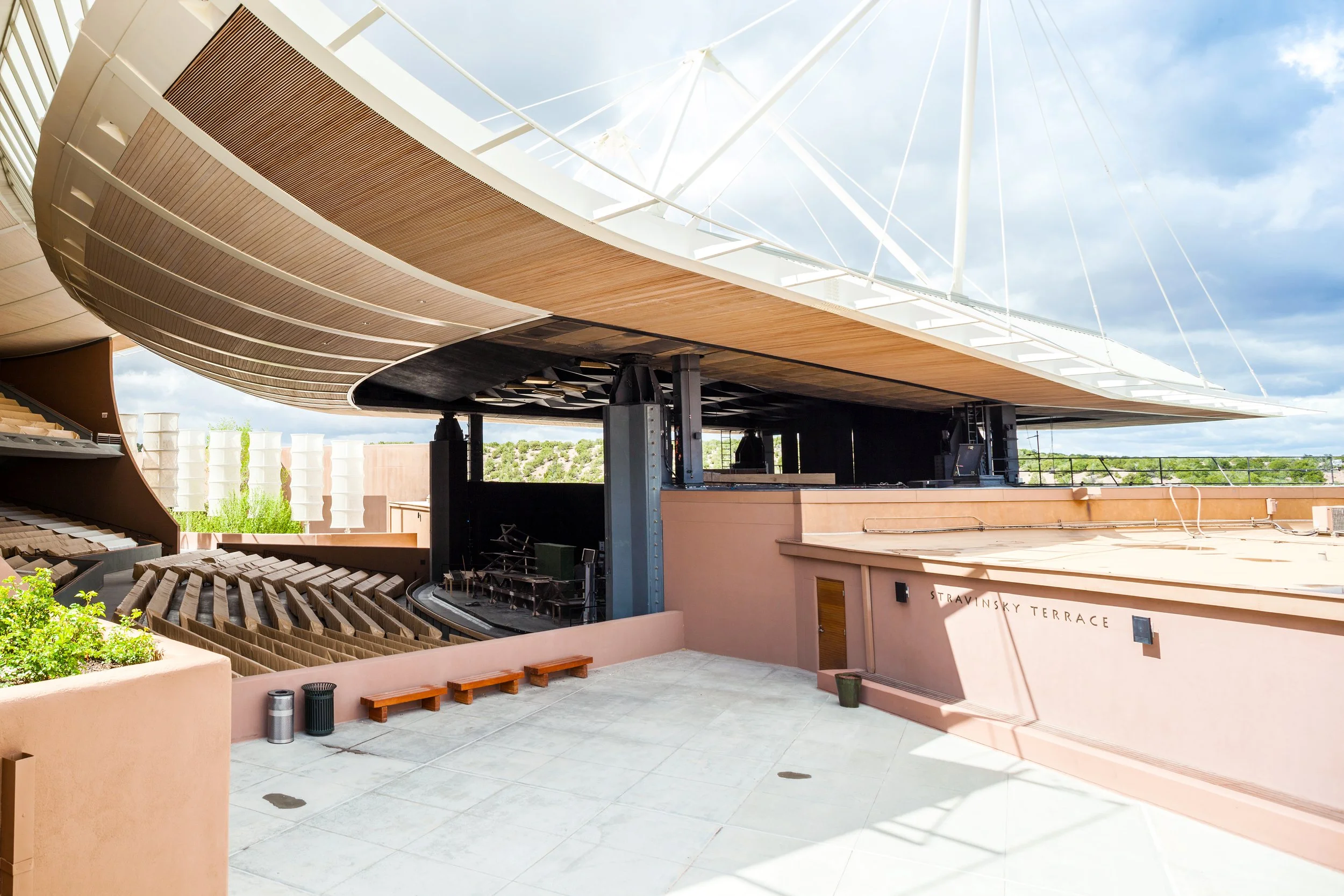
Book to see a performance at the Santa Fe Opera house
A unique outdoor high-calibre performance venue with views of the Sangre de Cristo foothills and the Jemez Mountains is only open during the summer, and the programming is focused on the art of opera
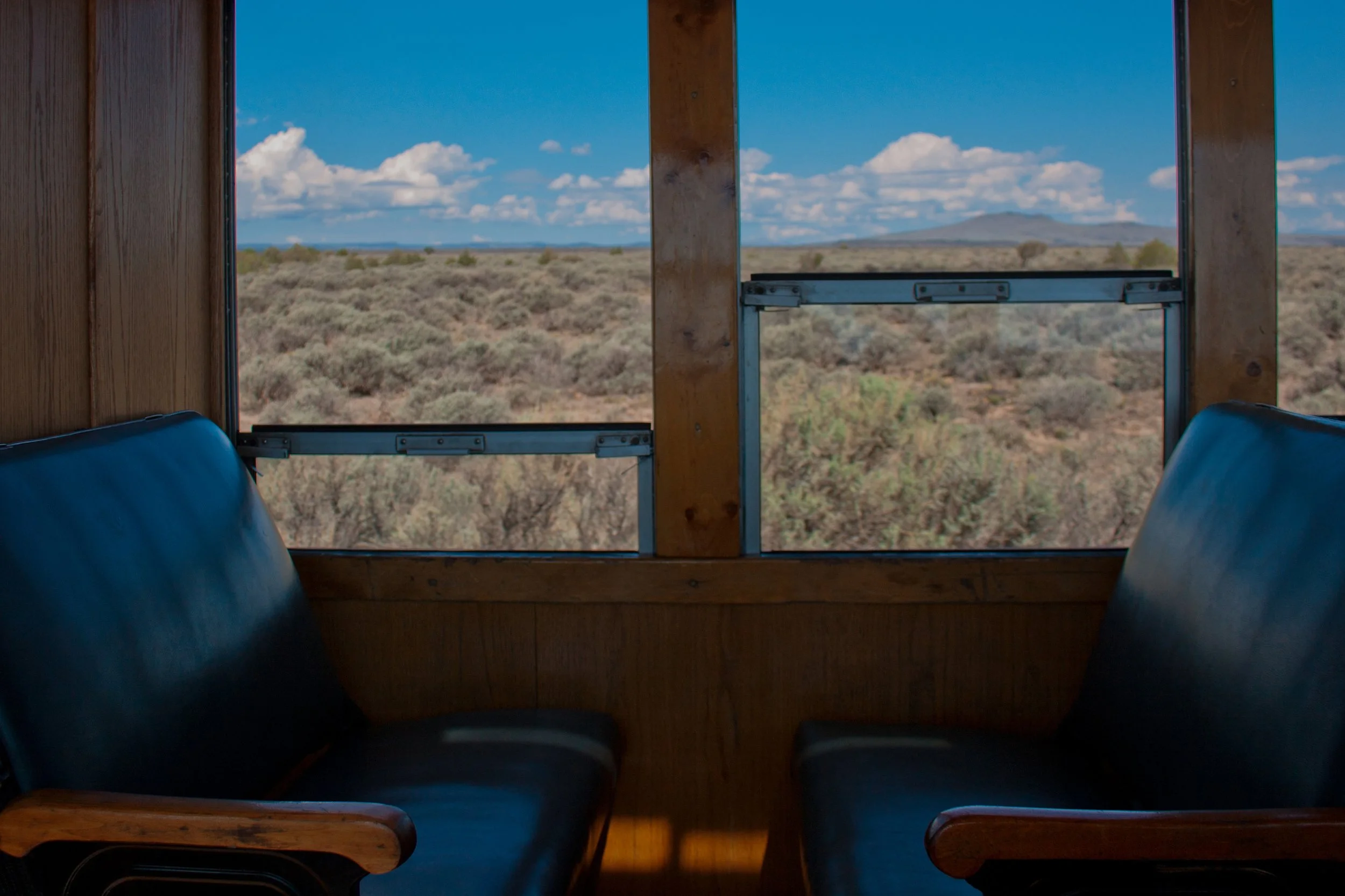
Book a ride on the Cumbres & Toltec railway
A narrow-gauge heritage railroad that operates on 64 miles of track between Antonito, Colorado, and Chama, New Mexico, through some of the most spectacular scenery in the Rocky Mountain West
WHERE TO WANDER
There are quite a few mountain biking options close by to Santa Fe - info here and here - we will probably spend at least 3 days biking
Contemplate some contemporary art at SITE Santa Fe
Visit the only museum in the world focused on wax - It’s a broader medium than you might think - from the use of ancient beeswax to the modern crayon, wax can be scuplted, painted with, drawn with and even used as a surface to receive transfer from photography. The Museum of Encaustic Art in Cerillos, just outside of Santa Fe, has the largest, most extensive, and best represented encaustic art collection in America.
Enjoy a spa day at the thermal springs of Ojo Santa Fe Spa
Stroll along Canyon Road in downtown Santa Fe - 1.5 kilometers long, the strip packs in over 100 galleries and boutiques. It’s considered to be one of the most concentrated street of art galleries in the world.
Visit La Cieneguilla Petroglyph site for a 2 mile hike to see ancient glyphs of birds, animals, fish, insects, plants, and humans as well as geometric and abstract designs, likely created by the between 1200 and 1600 AD
Take a day trip to Taos via the High Road and the Low Road - round trip of approximately 165 miles
Other North America Itineraries


High-waisted trousers in linen-rayon blend
Working with a 1970’s Vogue Basic Design pattern, sewing a pair of single pleated trousers in loosely-woven rayon.


TOTAL TIME COMMITMENT: 25.5 hours including toile (note these trousers have been interlined)
Toile (without zip, buttons, lining, interior seam finishing, basting stitch removal or hemming): 12 hours
Cut out & transfer all pattern markings (both main fabric and interlining): 3 hours
Main construction: 9 hours
Lining construction: none
Finishings (hooks, hem): 1.5 hours


SEAM FINISHING & DECORATIVE EXTRAS
Outside leg seams – overlock together
Inside leg seams – overlock together
Pocket bags – overlock together
Crotch – overlock each side separately
Attach waistband - stitch-in-the-ditch
VERDICT & LESSONS LEARNT
This fabric was surprisingly difficult to work with, and very very wandering when cutting. I think it was the open weave. On the upside, it has made the most gorgeous pair of trousers – a lovely fabric for a fluid and classy drape
Interlining in the same fabric feels like a great idea! Added weight and depth to the trousers, without having to figure out a lining, or how a lining might change the garment drape. I would do this again, definitely
WAISTBAND THOUGHTS!!
For the first time, I didn’t fold the waistband exactly in half lengthways as the instructions tell you to, but just a little less than half on the outer side of the waistband, and a little more on the half that faces inside. This meant that the turned up edge on the inside easily covered the waistband seam and raw edges, and I could easily stitch-in-the-ditch on the outside without fear of not quite catching everything on the inside. This worked really well – I should do this on every waistband with similar instructions
This is the second made-to-measure garment where I have ended up with the waistband being too big by the end. I am not sure why this is – is it because the fabric has stretched slightly? Have I sewn a slightly smaller seam allowance? Due to the fabric wandering under the scissors, did I cut it too big in the first place? Not sure, but I have thought of three options to ensure a correctly sized waistband by the end:
Measure and draw out the waistband on the wrong size of the fabric with tailors chalk before sewing
Ignore the instructions and wait to sew the back darts until just before fitting the waistband; similarly, do not backstitch the side seams near the waistband so that I can unpick more easily if I need to take it in there later
Baste the waistband to the trousers before final stitching to check the fit
I sewed the belt loops in the wrong place, which also didn’t help with the waistband fit as it started to dictate the waistband placement – in the future, I need to ignore the instructions to follow the above steps first before applying the belt loops
Other Trouser Sewing projects


A drop-waist skirt from 1990’s Style 4987 pattern
Making a drop-waist skirt for a petite frame with high waist-to-hip ratio. Lessons learnt.


TOTAL TIME COMMITMENT: 28 hours including toile (note this skirt is unlined)
Toile (with buttons but no lining, interior seam finishing, basting stitch removal or hemming): 12 hours
Cut out & transfer all pattern markings: 2 hours
Main construction: 8 hours
Lining construction: none
Finishings (buttons, hem): 6 hours


SEAM FINISHING & DECORATIVE EXTRAS
Front to back skirt seam – French seam
Narrow double hem
Handworked buttonholes
VERDICT & LESSONS LEARNT
I have a high waist-to-hip ratio with a generous booty. Drop-waist skirts are not typically something I can buy ready-made so what a dream to be abl to make one for myself. I love the final product.
I also learned how to handwork button holes on this project and I’m so glad – this opens up many many more garment-making opportunities now, and it is something I have been putting off learning and the result is that I have shied away from some patterns.
This fabric I chose is a beautiful thing, and the resulting finished skirt is bold, dramatic, and holds its shape well. However, it is medium to heavy weight, and sewing several layers together means that some seams were both difficult to sew and a bit bulky in the end. In addition, the sturdiness of this fabric could also possibly accommodate a slightly more snug fit, as it won’t be stressed in the same way as a more delicate one would.
There are two interior seams that I had to leave raw as I couldn’t work out any better ways to finish them. One, I pinked; the other I left completely raw. I don’t think this skirt should have a lining so figuring out a neater way to finish the interior will take some thought.
I graded between size 14 and size 16 between the waist and hip line but the fit is still not absolutely perfect. I still find the waist is a little big and for some reason still unknown to me, I found that the yoke was too big for the waistband and had to sew the side seams again to a slightly smaller size before attaching the waistband. Perhaps next time I make this, I should just make the size 14.
I also learnt a little struggling to ease the fullness of the circle skirt into the bottom of the yoke – the pattern piece that needs easing can use a slightly smaller seam allowance and when sewing, I should always sew from the side of the fuller piece to control and prevent puckering.
My machine seemed to really struggle with the tension of the top stitching thread. It always seems the top thread was too loose with lots of loops showing on the underside. The topstitching thread gives great sheen but I might try the upholstery thread next time, see if my machine can handle it better
VARIATION IDEAS
I would like to try it again in a much more lightweight fabric (perhaps even a slightly sheer in a double layer?)

Warsaw - an off-season city break
My plan for 3 wintry nights in Warsaw.
Itinerary At A Glance
3 night independent itinerary for Warsaw in central Poland
Based on flying in and out of Warsaw from Leeds with a hop in Amsterdam.
Highlights include touring the city in a Communist-era Fiat 126p, experiencing the annual Royal Garden of Light exhibition at the ‘Polish Versailles’ Wilanow Palace, enjoying Warsaw’s new and revived baking culture, and some cross-country skiing in one of the parks outside of Warsaw.
Based on a couple travelling, with a focus on leisurely cultural activities and active pursuits, interspersed with time to just relax and soak up the atmosphere
Why here?
Warsaw came onto my radar through a mix of unexpected recommendations. Paul Hollywood mentioned it in one of his baking books as a great spot for baked goods — oddly specific, but it stuck. Then I read a Telegraph piece about Warsaw’s emerging food scene, and Lonely Planet flagged Białowieża Forest as a winter destination, with Warsaw as the nearest airport. Add Poland’s reputation for good value, and the idea started to take shape.
I did some digging and found plenty to justify a city break: interesting eateries in a cuisine I barely knew, museums and tours covering Poland’s layered history - from royalty to Communism to Judaism - plus a modern cultural scene, all at reasonable prices. It’s also less obvious than Kraków for British travellers, which made it feel like a more original choice.
Annual Royal Garden of Light exhibition at Royal Palace at Wilanów
WHEN
January
January is, on average, the coldest month with harshly cold weather and the highest likelihood for snow, so I have made the itinerary with this in mind, focusing on indoor activities and those which can be done come rain, snow or shine.
This is an unusual time to visit but will see the city at its winteriest, see the Royal Garden of Light in the winter dark and better experience the warming effects of Polish vodka.

TRAVEL MEANS
KLM, from Leeds Bradford to Warsaw, changing in Amsterdam
ACCOMMODATION
H15 Boutique Hotel, in the Suite or Prestige Suite - this kind of quality is usually outside of my budget but not in Poland!
Smack-bang in Warsaw’s Old Town, a beautiful and very highly recommended duplex in a Gothic building
Petite and perfectly-formed little apartment for 2
Luxe and highly-modern apartment in the business district
SCHEDULE

Polin Museum
Day 1
Try to arrive in the morning
Visit the Polin Museum - documents the history of Polish Jews
Do a food tour with Warsaw Behind the Scenes - travelling in a vintage minibus
Day 2
Attend a cookery class with Polish Your Cooking - The classes take place every Wednesday and Saturday at 10.30 am and every Friday at 6.00 pm
Get to know more about the history of Warsaw and what it was like under the communist regime with a self-drive tour in a Communist-era Fiat 126p (being an all-round car enthusiast, my boyfriend would love this) with WPT1313 Tours
Have dinner at Hala Koszyki Market - Located in an Art Nouveau market hall, it combines a day food market, a night street food market, a and event space all under one roof. Supposedly a hit with locals and is open every weekend from 8am until 1am.
See some live music at the bar underneath the National Opera of Poland’s Grand Theatre

A winter dawn view from the Vistula River
Day 3
Try cross-country skiing in Powsin Park. You can rent equipment in many places. Read more here.
Visit the Royal Palace at Wilanów, in particular, to see the Royal Garden of Lights at night
Book a table for dinner at Rozbrat20, as recommended by the Michelin Travel Guide
Day 4
For breakfast, get real bread from Piwonski Bakery at the Restaurant Femina , Al. Jana Pawła II 38 (Opening hours Mon - Fri: 7.00 - 20.00, Sat: 7.30-15.00)
Wander around Śródmieście - both Old and New Town
Leave in the afternoon
ABOUT WARSAW’S NEIGHBOURHOODS
Warsaw is a rough oval, bissected north-to-south by the Vistula river. The main neighbourhoods are as follows:
Śródmieście - beside the Vistula River, the heart and centre, both Old and New Town. The most central district in Warsaw, Śródmieście is the financial, commercial and cultural centre of the city and boasts the tallest buildings, the most important museums, galleries, restaurants, and theatres. On the west bank of the river runs the Vistulan Boulevard, a contemporary promenade dotted with waterside bars and cafes - not to be missed for a stroll and a bite to eat as you people-watch
Wola - highly urbanized commercial area with lots of skyscrapers. It used to be an industrial district and today is where many multinational corporations have decided to base their offices - as such, many residential buildings have popped up alongside in the form of modern flats. Highly accessible place to stay as an alternative to Śródmieście
Mokotów, Żoliborz and Ochota - all three of these are green, tranquil, and quite fashionable residential districts in easy reach of the city centre, some of the most desirable places to actually live in the city. Not loads and loads to see for a tourist, but one option is Królikarnia in the Mokotów district - a palace and a park for a stroll (and a picnic or icecream in warm weather)
Praga Północ (Praga North) and Praga Południe (Praga South) - Located on the east bank of the Vistula River, the Praga district is the only location in Warsaw where the buildings have remained untouched by the war. This part of the city still has a very bad reputation among many Varsovians because in the past this was a very dangerous and poor area of the city (its nickname was The Bermuda Triangle). Nowadays, especially on its southern side, this district is becoming the home to its alternative, avantgarde culture, a trendy hotspot in Warsaw, with art galleries, artists’ ateliers, cool restaurants, and pubs. However charming and vibrant, this is still the district with the highest unemployment rate and the poorest population, so at least a little care should be taken.
Wilanów - A district far outside the centre of Warsaw, it is famous for its baroque palace, the Wilanów Palace, which is sometimes referred to as the Polish Versailles. Other than this, it features large, wild, underdeveloped areas which allows for outdoor activities such as biking, golf, and kayaking along the Vistula.
Other Winter Itineraries
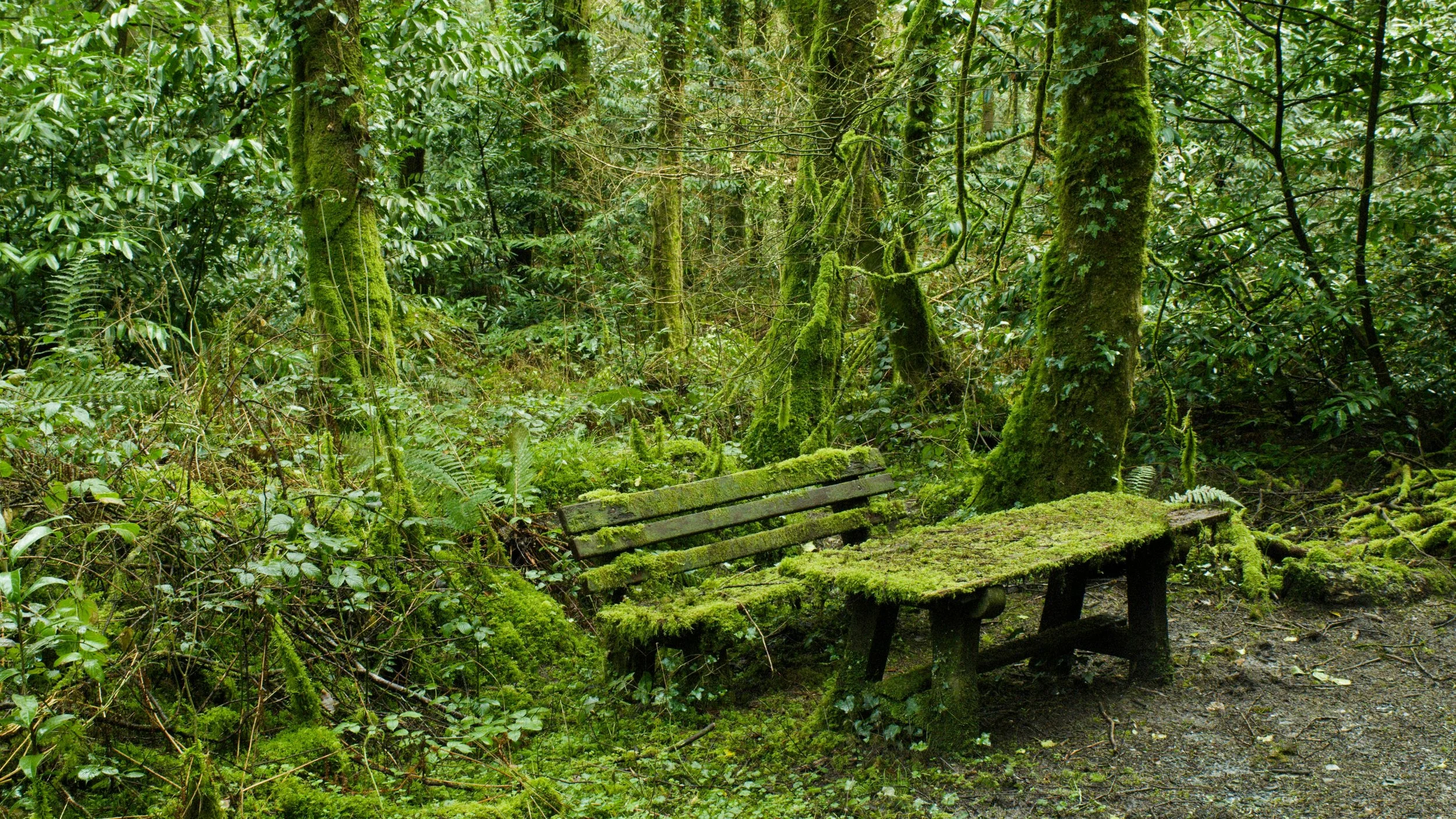


Refining what I want from travel accommodation
Thoughts and reflections on how I analyse and select from accommodation options for independent travel itineraries
Distance from the things I’d like to see
I’ve learnt the error of my ways here - in the past, I have booked accommodation that may be a little further out but its a bit cheaper……and I’ve essentially always regretted it. Now, I would say this is the leading factor in my decision-making - I want my base to be within about 1-2 miles of the majority of the things I want to see. I also look at it from the other angle too, and do not bother staying anywhere that doesn’t have a good amount of things in the vicinity I am interested in, no matter how incredible the accommodation is. I rarely go on holiday to spend the whole trip in the accommodation itself and I don’t want to spend my holiday in the car constantly making daily road trips, so figuring out what I would like to do while I’m there has to come first.
Style of the property
I like to try, where possible, to pick somewhere ‘of its place’ - a style of building that is quite specific to the town or country I’m staying in. This means a really wide variety of things like villas in Tuscany, converted Oast houses in Kent, skinny little townhouses in the Netherlands, converted industrial spaces in Turin, a flat with a sauna in Estonia or Finland, converted mining engine houses in Cornwall, ultra-modern high-rise apartments in Warsaw, clapboard houses with a porch in the Southern USA, mountain cabins in Switzerland - anywhere that speaks for the history, traditions or even present-day milieu. I feel like this gives me a unique experience that is hard to repeat. Of course, some places don’t necessarily have especially unique buildings like these, but where they do, I will prioritise staying in one over other (generically) lovely accommodations
Decor and interior styling
I do prefer a tastefully modern interior, with some style and warmth through unique touches. I’m less keen on very fussy, romantic, country or traditional style, though don’t mind it if its inkeeping with the property and area. I have also noticed I don’t like it to feel too starkly sparse or minimalist, nor cluttered and mismatched. Hard to put my finger on this one.
Views
Didn’t used to care about this, until we stayed in an apartment in the Costa Brava with an uninterrupted view of the Balearic Sea. It brought such joy to step out onto the balcony with a morning coffee absorbing the view; or eating dinner with a gorgeous sunset in the background, right there in our own accommodation. Since then, I get why properties with a view - even just a view of a nice garden - command a premium; I don’t always want to pay the premium, but I do understand it. Holidays which I am designing around relaxation make me prioritise a view, whereas I will tend to forego it for a busy or active holiday.
Outdoor space
I would say I now book accommodation with some outdoor space, 8 times out of 10. It actually irritates the life out of me that there are no filters for this on AirBnB. The nature of the outdoor space might just be as simple as a small balcony from an apartment, but I have learned that being able to relax ‘outdoors’ while we are at our accommodation - reading, sipping a drink, sunbathing, chatting, eating - really adds to the enjoyment of say, an easygoing bit of downtime. A friend and I went to San Sebastian once and really missed a bit of outdoor space for the few hours we would hang out in our accom between activities. If I’m planning to go somewhere with warm weather, it quickly moves up the priority list.
Cost
This is rarely a main feature I use to determine where I want to stay. I of course have a budget, but that budget can be quite fluid depending on how many trips I plan to take that year, what the holiday is designed to give me, which country I am planning to stay in, how long I’ll be staying for, what ‘extra’ amenities I’d like to have and think will be important for the trip (such as a pool, parking space, garden etc.). I try first to assess what is available on that area’s specific market, and pick out the places that float my boat, before then considering if I think it is good value for money considering all the above.
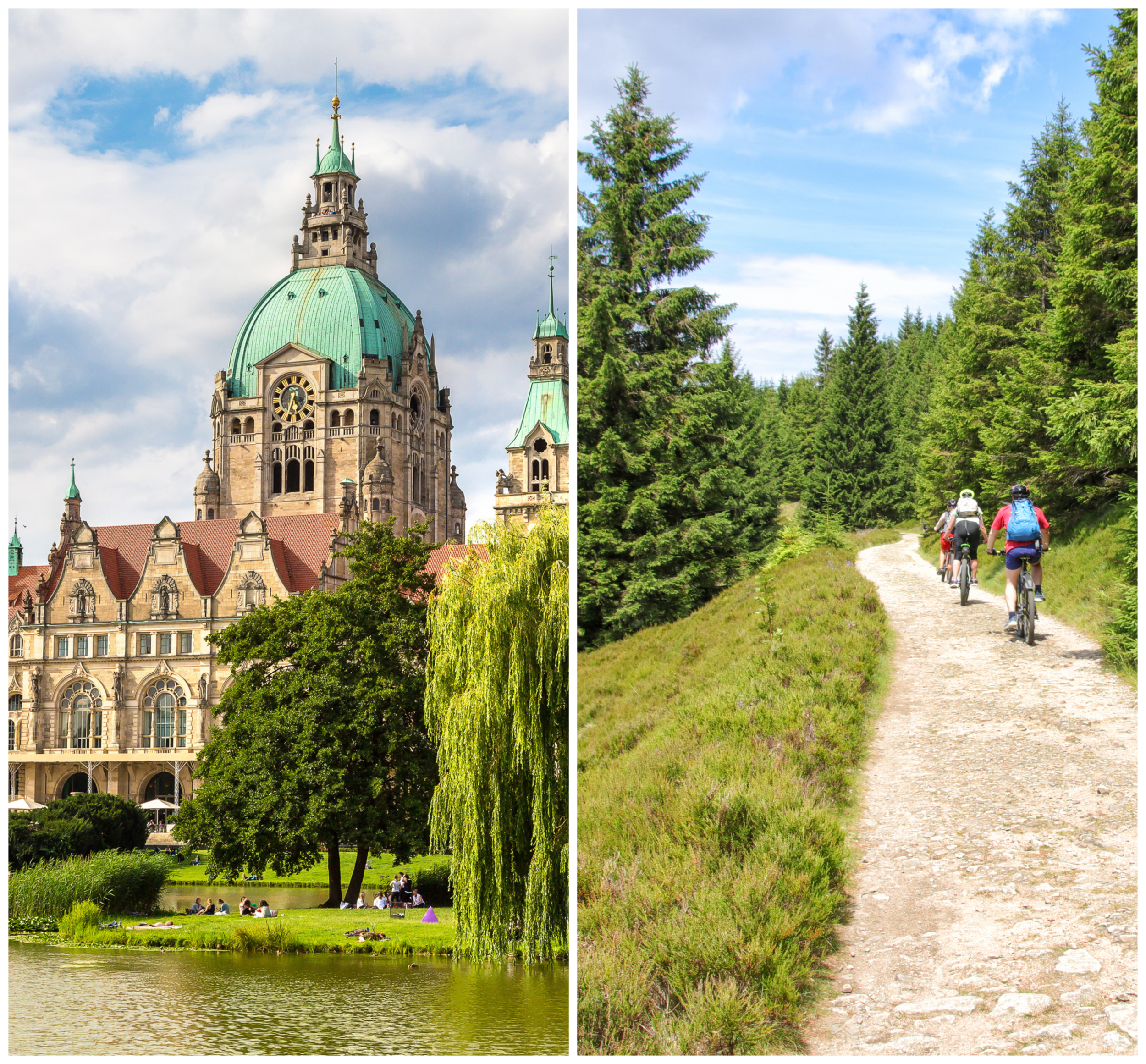
Hanover and The Harz Mountains - a Spring travel plan for mountain biking and city break
Travelling in spring, departing from Leeds, my imagined itinerary for 7 nights of exploring in Lower Saxony.
Why Hanover & The Harz Mountains?
The start of my research into The Harz Mountains was inspired by this article from Culture Trip; I did a bit more digging and found what looks to be a perfect region to explore on a bike.
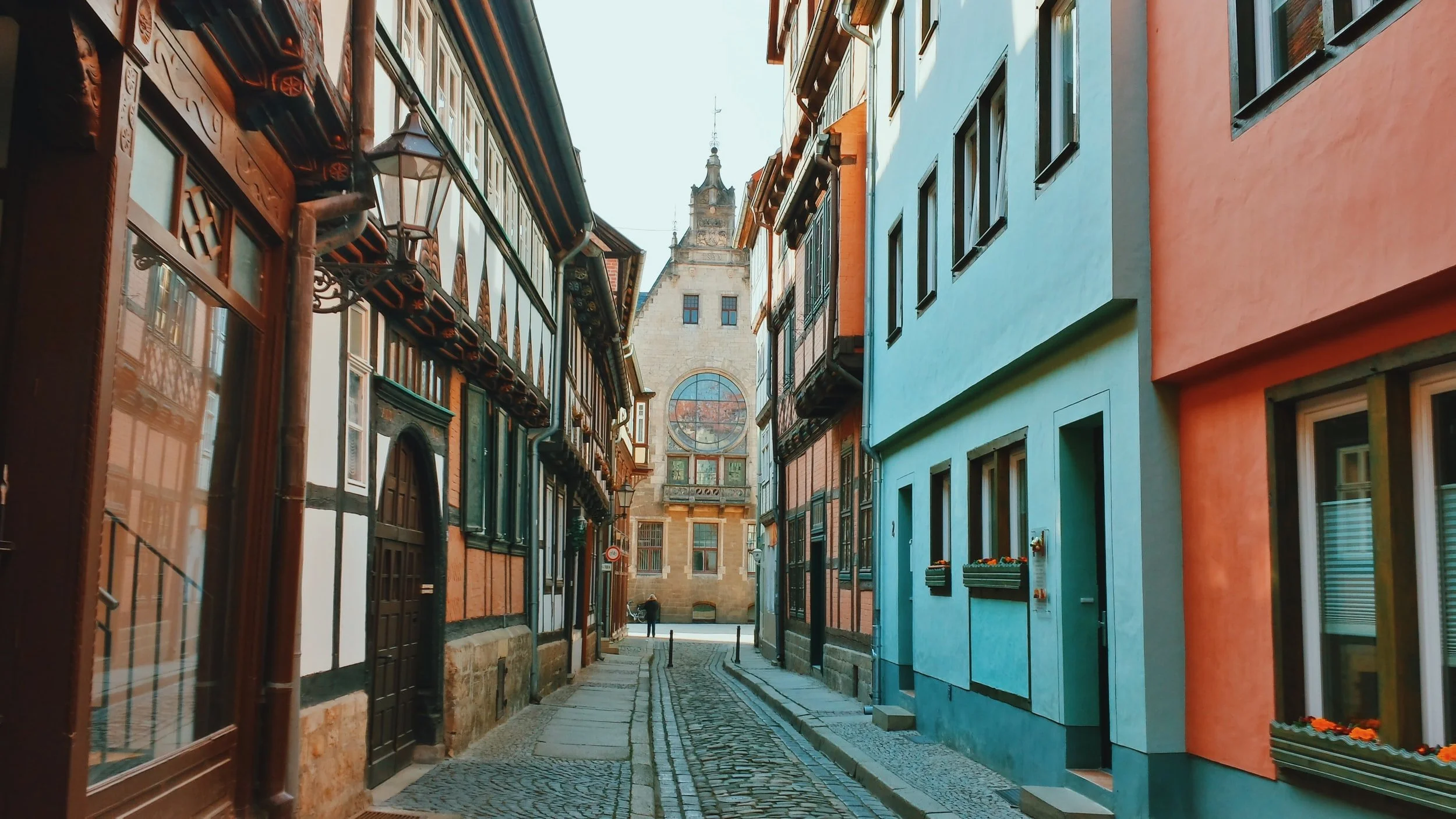
The main focus of the trip will be the Harz Mountains and I’ve plumbed for one of the most obvious towns as the base - Quedlinburg. This little city is a UNESCO World Heritage site owing to it being the burial site for the first German King, and it was Germany's first capital and an important city during the Middle Ages. Now, it is a well-known tourist destination and is usually the favoured spot for a visit to the region. Looks to be a great base for a bit of biking around the Harz, while also offering up options for historical activities and dining.
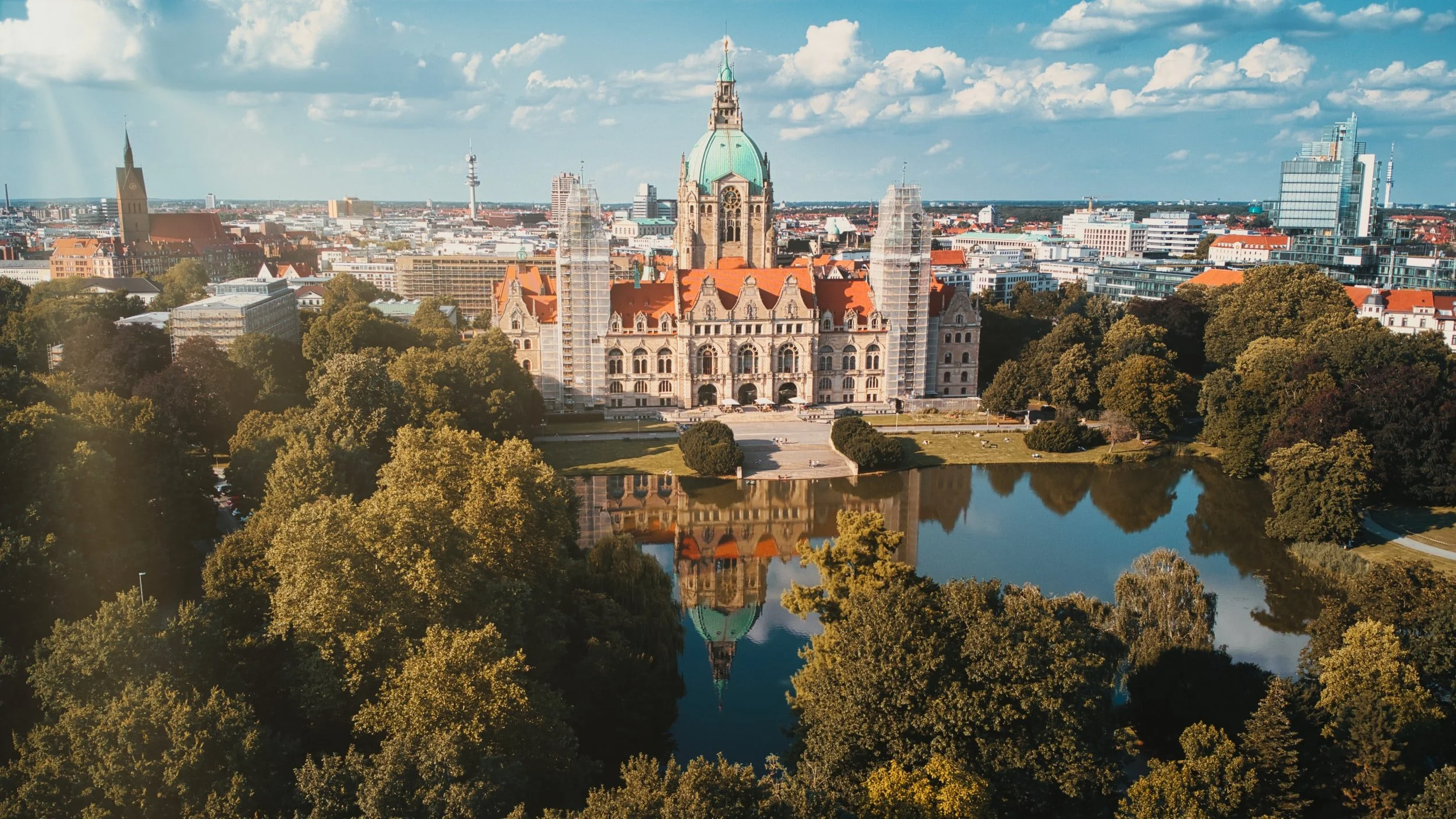
Hanover (spelt Hannover in German) is very simply the nearest city and the most obvious airport - so I decided to make it a part of the itinerary. Much of their visitor marketing is geared towards the city as a business destination but reading between the lines, I found more than enough history, culture and uniquely Hanoverian experiences for us to enjoy a few days getting to know this city. The Aldstadt (German for ‘Old Town’) is full of those gorgeous half-timbered structures and it is home to the Eilenriede, Europe's largest municipal forest. It is very bike friendly, both in the city and its surrounds, with hundreds of kilometres of signposted routes and city bike lanes. Its reputation as a business hub also makes it incredibly easily logistics-wise, so superb for the independent traveller. Most unique of all is that the city has an international firework competition each year………weird, and cool. In short, many many reasons for a visit.
I have visited Germany once before - Bavaria and Baden-Wuttemburg - and ever since, I’ve been telling anyone who will listen that the best baked goods are in Germany - not in France, not in Italy - Germany. So add superb cake and daily pretzels to the list of attractions.
Itinerary At A Glance
7 day independent itinerary; 4 nights in Quedlinburg, then 3 nights in Hanover, travelling in Spring - April, May or June.
Based on flying in and out of Hanover from Leeds with a hop in Amsterdam.
Highlights include a two-wheeled day trip to Marienburg Castle, international firework competition displays, enjoying modern German fine dining in a 2-star Michelin restaurant, understanding more of Germany’s medieval history, and biking around the Harz Mountains.
Based on a couple travelling, with a focus on leisurely cultural activities and biking, interspersed with time to just relax and soak up the atmosphere.


WHEN
Spring - April or May
The weather is very similar to the UK so highly unpredictable, though I’m of the opinion that Spring is the absolute best time to visit Northern Europe. That being said, I’ll still expect a variety of warm, cool, wet and generally changeable weather for this trip.
TRAVEL MEANS
KLM, from Leeds into Hanover, with a 2hr change in Amsterdam
I will also hire a car for the entirety of the trip, and a mountain bike for the stay in the Harz Mountains
Note the following:
the city centre is an environmental zone - access is only permitted for cars with a green sticker
there are over 360 kilometres of cycle paths alongside the city’s roads and 170 kilometres of cycle paths through Hannover's green spaces
you can take your bike on the tram or S-Bahn (Stadtbahn), sometimes at no extra charge
ACCOMMODATION
Quedlinburg (in order of preference):
This delightful little Airbnb feels very inkeeping with the town and its vibe
Similarly adorable is this little 2 bed apartment
Hanover (in order of preference):
GORGEOUS and atmospherically designed apartment smack bang in the centre
A very funky and modern design hotel, Me and All - I’d go superior double for the extra space and the view
Arthotel ANA Prestige - I’d plum for a Junior Suite
Funky and quintessentially German loft apartment right up in the eaves
SCHEDULE

Quedlinburg - Day 1 to 4
Take a guided mountain bike tour in the Solling-Vogler Nature Park & Mountain Biking network
Visit Volksbank Arena Harz mountain bike trail centre with a choice of 74 routes
Visit Bikepark Bodetal
Take any of these off-road routes to take in the scenery around the Bodetal
Eat some traditional German ‘pub-grub’ washed down with German beer at Brauerei Ludde Quedlinburg
Get some coffee and cake at Cafe Zum Roland

Hanover - Day 5 to 7
Visit the Sprengel Museum, to see their collection of 20th century cubist art
Book into a brewery tour at Herrenhauser Brauerei
Attend Velo City Night - at Velo City Night, thousands of cyclists conquer the streets of Hannover, forming a huge collective tour of the city. Similarly, at Skate by Night, around 4,000 inline skaters cruise around the city. Both initiatives are designed to promote alternative travel options and encourage the creation of the infrastructure needed
Attend one of the international firework competition displays at the Herrenhausen Gardens
Day trip to Marienburg Castle - 1 hr 30 m each way on a bike. Perhaps book for one of the guided tours or simply stop in at the restaurant
Hanover has a 2-star Michelin restaurant, Jante. I’d book in here for a treat
Stop by Lindenblatt Burger-Bar. All the ingredients are from the Hannover region, with the steaks coming from ecologically reared animals.
Stadtmauer Hannover - modern restaurant with a view of the Leine river
Have breakfast at Fraulein Schlicht (closed Monday & Tuesday)
ABOUT HANOVER’S NEIGHBOURHOODS
Aldstadt (Old Town) - the central historic hub. This is where all the major sites can be found and the half-timbered architecture
List - the cultured and refined residential district. To the northeast of the Aldstadt, it is just north of the Eilenreide Forest also, so very well located for both culture and the urban outdoors
Calenburger Neustadt - the student district. Bound on all sides by water - River Leine to the east and north, River Ihme to the west
Südstadt - the up-and-coming district for young professionals. This neighbourhood is quiet, residential and is considered a bit of a haven for outdoor activity (with both the Eilenreide and Machensee Lake in close proximity) and is home to a lot of design-focused modern boutiques and a variety of modern restaurants. It is also home to the Sprengel Art Gallery.
Linden - the edgy, funky alternative district. It only became part of Hanover in 1920 and often considers itself having a separate identity
FOOD AND DRINK - SPECIALITIES & CUSTOMS
In Lower Saxony (German: Niedersachsen), the cuisine is features many of the ingredients common to Northern Europe - buckwheat, apples, butter, potatoes, cherries, pears, plums, asparagus, cabbage, dill, beer and rye. Some of the more unusual specialities include:
Apple Soup made from cooked apples and raisins and seasoned with a generous helping of cinnamon and vanilla
During the spring season, asparagus served with schnitzel, potatoes and brown butter
Welf Pudding is a traditional dessert from Hanover, which is a two-layer posset-like concoction made from egg, milk, vanilla, sugar, cornstarch, dry white wine and lemon
Pinkel is Lower Saxony's national sausage
Sour milk cheeses such as Harzer, Gelbkäse and Bauernhandkäse
They also love Arme Ritter (French Toast) and Buckwheat pancakes
Other 7-10 night Itineraries


Maggie Anne yellow polish, Jessy
Colour scrutiny of bright yellow polish, Jessy, by Maggie Anne
Best mid-tone yellow nail polish I have ever found. Rich and vibrant, without being too icy (limey) nor too golden (mustardy).
Maggie Anne Jessy
Scanned with Nix, rendering a Hex code of #FFC659

Turin and Monferrato, Piedmont - a twin-centre autumnal trip
An autumn itinerary with Arbarth factory tours, martinis, and day rides in the Monferrato hills.
Itinerary At A Glance
Twin-centre independent itinerary for Piedmont; 3 nights in Turin, 7 nights in the Monferrato Hills in Alessandria province.
Based on travelling in late summer or early autumn, flying in and out of Milan from Leeds with a hop in Amsterdam.
Highlights include a tour of the Abarth Factory, a cocktail experience at the home of Martini, indulging in the famed white truffle, staying in a high-spec design accommodation, day bike tours around the rolling green hills of the Monferrato, and an exciting gourmet experience at one of the regions many Michelin-starred restaurants.
Based on a couple travelling, with a focus on leisurely cultural activities and biking, interspersed with time to just relax and soak up the atmosphere.
Why here?
Piedmont (Piemonte in Italian) is in the north-western corner of Italy and both the Italian and French name for the region roughly translates as ‘foot of the mountain’ which is very apt, as the region’s physical background and border along its western edge, is the Alps.
Piedmont is known for its lakes, hills, rivers and its food: white truffle, gianduja, Gavi, Barolo, and Asti. It’s also well set up for independent cycling, with mapped routes for everything from road touring to proper downhill trail centres.
This itinerary started with a visit to the Fiat Lingotto Factory and the Abarth Works Museum in Turin (my boyfriend’s a serious petrolhead). Turin itself has a reputation for royalty, industry, and grand café culture. It was the first capital of unified Italy, home to the kings of Savoy, Fiat, and Juventus. We’re expecting a quietly confident city with boulevards, motorsport, and a splash of Martini — vermouth was invented here.
Rather than heading to the lakes, we’re staying rural in the Monferrato Hills near Casale Monferrato. The accommodation felt fresher, better value, and less over-touristed. This part of the trip is for relaxing and cycling through vineyard country.


WHEN
Early Autumn - either September or October.
A little unexpectedly, October is actually high season in the Monferrato-Langhe due to the harvest and the importance of gastrotourism to this area.
It is a relatively wet place all year round so I’ll be expecting mixed weather. Averages indicate that it is at its driest in the Winter.
TRAVEL MEANS
Flights into Turin are possible, though I found them much more expensive than flights into Milan, which is just a 2hr drive from Turin. Flight options are either of the below:
KLM, from Leeds into Milan, with a 2hr change in Amsterdam
Easyjet, from Manchester direct into Milan
I will hire a car for the entirety of the trip, and a bike for the second part of the trip in the Monferrato Hills
ACCOMMODATION
Turin
I found lots and lots of ‘oldy worldy’ accommodation in Turin, which isn’t really my bag, but something else I noticed in abundant availability were modern conversions of big old industrial spaces. These would be my pick in priority order:
Edit Lofts - this is a former Fiat factory made into funky loft apartments. They also have a restaurant on site recommended by the Michelin Green Travel Guide. Only downside is that it is a 40 minute walk from the centre
Funky loft space smack-bang in the centre
Modern, minimalist and space-maximising design loft a little outside of the historical centre
Monferrato Hills in Alessandria/Asti province
I found many many beautiful places to stay in this whole region, but once I found this Glass House in Terruggia, about 6km from the small historical river city of Casale Monferrato, I knew we had to stay here. The rest of my trip is designed around staying here
SCHEDULE

Turin - Day 1 to 3
Take a guided tour of the Abarth Factory Workshop
Visit the FCA Heritage Hub which opens soon in the Fiat Mirafiori industrial complex, with an exhibition of Fiat, Abarth, Lancia and Alfa Romeo
Go have a look around La Venaria Reale, one of Turin’s famous Savoy residences and one that stood out to me
Visit Castello di Rivoli contemporary art museum
Have coffee and cake at Caffe Mulassano - a grand and traditional cafe
Do as the locals do, with a pre-dinner aperitif and snack at La Drogheria in Piazza Vittorio square.
I’d book into any one of these restaurant recommendations from the Michelin Green Travel Guide
Take an an aperitivo ‘crawl’ in San Salvario - Enò | Via Galliari, 1, Affine | Via Belfiore, 16, Gorilla | Via Galliari, 20, Crumb | Piazza Madama Cristina, 2, Eria San Salvario | Via S. Pio V, 11, La Cuite | Via Baretti, 11
Take a 40 min drive outside the centre to get to know more about vermouth and Martini on this Ultimate Martini Experience at Casa Martini, the historical home of the well-known alcohol producer
Day 4 - driving between Turin & Casale Monferrato
About 75-100km (depending on the route), 1 hr 15 mins driving

Monferrato hills in Alessandria/Asti province - Day 4 to 10
The majority of our time will be spent on the bike, and the following routes and destinations strike my fancy:
Take this circular route from Casale Monferrato to Valenza, the famed City of Gold, which boasts the highest concentration of gold and artisan jewellery businesses in the country - I think we’ll pay a visit to the Museo del Gioello (jewellery museum) while we’re there too (65km route - an all day excursion. Start point is 25 min bike ride from Terruggia)
Take this route or this route for a tour around the Infernot Hills and a stop in Treville for a view of the Alps. (25km route - about 2-3 hours. Start point is 25 min bike ride from Terruggia)
Take this short multi-looping route in and around San Salvatore Monferrato (25km route - about 2-3 hours. Start point is 1 hour bike ride from Terruggia)
Cycle this loop in the lands of San Giovanni Bosco (62km route - an all day excursion)
Drive or bike out to Asti (4 hr bike ride round trip from Terruggia) just for a little wander around the city and a sip of the famous sparkling wine Asti Spumante
Cycle out to the walled medieval miniature city of Moncalvo (2.5 hr round trip from Terruggia) to walk the ramparts, visit the Marc Chagall paintings held in the Civic Museum of Moncalvo and have dinner at sunset
Drive or bike out to Montegrosso d’Asti (4-5 hour round trip from Terruggia)
For a wide variety of cycle routes across the whole of Piedmont that can be downloaded as GPX files, I found PiemontEscape to be superb
Book for dinner at Il Cavallo Scosso in Asti - a young and modern restaurant as recommended by the Michelin Green Guide
Faletto 1881 - a modern restaurant in a farmhouse-come-hotel-and-venue just outside of Casale Monferrato
Accademia Ristorante in Casale Monferrato - local and seasonal Piemontese cuisine, as recommended by the Michelin Green Guide
FOOD AND DRINK - SPECIALITIES & CUSTOMS
Piedmont is extraordinarily rich in food and drink both grown and invented here:
drinks wise, there is Barolo and Gavi wine, bicerin (a coffee mixed with cream), and vermouth.
pasta-wise, there is agnolotti, plin and tajerin.
cheese-wise, there is stracchino (creamy, soft white cheese), toma (a light, semi-hard cow’s milk cheese), robiola (delicate and sweet, often preserved in oil), raschera (made with a combination of cow, goat and sheep’s milk coming from the high pastures of the Monferrato).
other food items include gianduja (chocolate-hazelnut spread), truffles (most famous ones come from Alba), bagna cauda, bonèt pudding, baci di dama, Savoy biscuits, grissini breadsticks and panna cotta.
Traditionally, aperitivo is meant to whet the appetite before dinner and is accompanied by a variety of appetizers (stuzzichini) such as cold cuts, cheeses, salads, olives, bite-sized pizzas and other savouries. However, such is the popularity of this time honoured tradition, a new concept of apericena has been introduced in recent years that closes the gap between aperitivo and dinner and acts as a less formal alternative to eating out in a restaurant. Now, sumptuous buffet tables in bars and cafes all over Turin groan with a mix of the traditional bites plus pasta and rice dishes, grilled and freshly chopped vegetables, couscous and quinoa salads, cakes and more. The buffets usually start at around 7pm and can go on until 9pm/10pm
Tastes of Italy


A wool dress from Givenchy 1970’s Vogue Paris Original 1950 pattern
Main lesson: get more knowledgeable about fabric weights and gsm…..it not enough to know the fibre…


TOTAL TIME COMMITMENT: 31.5 hours including toile (note this dress is unlined)
Toile (without buttons, lining, interior seam finishing, basting stitch removal or hemming): 12 hours
Cut out & transfer all pattern markings: 5 hours
Main construction: 10 hours
Lining construction: none
Finishings (buttons, hem): 5.5 hours


ADDITIONAL SEAM FINISHING, CONSTRUCTION NOTES & EXTRAS
4x side seams, armscye & pocket bags – bias bind together
Pocket-to-dress seam – French seam
Underarm – French seam
Shoulder seam – bias bind each side separately
Sleeve seam – French seam
Handworked button holes
VERDICT & LESSONS LEARNT
This fabric I chose was a poor choice for both my petite frame and personal style – it felt too dark and heavy for me to wear as an all over colour, especially in a loose-fitting dress like this. I felt my frame was ‘weighed down’ by both the colour and weight of the fabric.
In addition, it was ill-suited to the dress design in two ways; it was quite thick for the tucks which added lots of bulk to the bodice; it was heavy and structured so lacked the fluid drape that I think this design is better suited for.
When a panel is going to be button-holed (like the front of this dress), the interfacing should blend into the fabric colour-wise, otherwise it will show through when you cut for the button holes
Other Wool Sewing Projects


Style refinement is…
Recognising my unique set of needs and priorities, and developing a similarly unique style that matches
Building on what exists, focusing on small changes and adjustments; not starting from scratch, not always thinking that a grand overhaul is necessary
Being precise, not ball-park
Looking at the details. Understanding the little details that I really like; understanding the little details that I really dislike
Being in-tune with my intuition
Protecting myself from too much external influence
Developing knowledge of different fabric types - knowing the ones I like to wear and the ones I don’t
Knowing precisely which colours both flatter me and totally float my boat; not wasting time or money on colours I neither like nor can wear easily nor really fit in with other items in my wardrobe
Learning the right way to make up my face to the most pleasing and flattering effect; not just blindly following the basic advice that gets thrown at me that doesn’t account for the uniqueness of my face
Understanding, appreciating and working with my body shape when dressing; not ignoring it, not pretending it is something different, not despising it
Knowing which accessory types I like to use; not bothering to buy the ones I don’t
Only having makeup in precisely the right shades and right finishes
Having a wardrobe made up only of clothes that fit; not keeping clothes that fit poorly, no matter how cheap or expensive or cool they may be
Having enough footwear, clothes and outfits that are suitable for the climate where I live (not necessarily adhering to what the fashion industry proposes is ‘for x season’)
Assessing whether a potential purchase meets my unique set of criteria and not keeping anything that doesn’t
Spotting the little changes I need to make to an item to perfectly suit my figure, tastes and uses
Putting in the effort ahead of time to make day-to-day styling more effortless
Continually evolving my style to meet my needs, and recognising that my evolution happens on an entirely different timescale from the fashion industry’s idea of ‘seasons’
Happily decluttering anything that is no longer useful or attractive to me
Being able to shop easily with a laser-focus for the pieces that match my priorities; not getting distracted by the new, the trendy or the things that look good on someone else
Having some sense of cohesion in my wardrobe; not having ‘lone wolf’ items that don’t go with anything else I own
Being able to assess a piece’s value to me, not just its cost (cost is what you pay; value is what you get)
Owning a collection that works for me, and only me
Finding daily joy in getting dressed and using what I have chosen to keep
Researching potential destinations
Things to consider when planning an independent travel itinerary - how to sift through all the information and plan a trip that meets my specific interests and desires
Start with my specific interests in any location
The refinement process has taught me that to prioritise choosing a place that has enough things that really meet my specific personal interests. Seems silly to say it out loud but I have definitely fallen into the trap before of being impressed by the general positive spin put onto a place and ended up with a holiday not all that suited to me personally.
So if somewhere piques my interest, I ignore what is usually associated with that place and always search my specific interests - ‘mtb biking tours in hanoi’, ‘hikes in wallonia’, ‘car museum in turin’, ‘surrealist art in montreal’, ‘baking class in oaxaca, ‘contemporary dance performance in savannah’.
Specificity works way better than ‘things to do in…’ and can turn up some surprising and often off-the-beaten-path results which can lead to a uniquely exciting itinerary which is made up of things that interest me and not just the ‘everyone does them’ things.
If not enough seems to come up, my research may end here. Otherwise, it gives me a good idea about how well-matched it is to me, and how long I might want to stay.
Use multiple sources
The information (particularly on blogs) is mostly generic, repetitive, superficial and mostly just paid-for advertising. I also find my interests are usually too broad for specialist sources of information (such sites dedicated to bike travel for instance) and besides, I might want to forge another path.
Beyond using search engines for specific terms as above, I favour the official national or regional tourism websites of the place I’m looking to visit - because they are made by locals, they tend to have a breadth of information about all the different options available in that place, a variety that is usually lacking in UK-based or global travel sites.
I also make use of factual sources - maps, weather websites, and population counts - to ascertain landscape, proximity to other things, typical weather patterns month by month, and how big a place is - all of these contribute to a rounded picture of what a place is like beyond the perfectly-composed imagery of its most famous landmark, and help me get a sense of whether it will be the kind of place that suits my favoured style of travel or priority for that trip.
Check what accommodation options are available
Accommodation makes a big difference to my enjoyment of a holiday so I always do an accommodation check - it can be subtle, but the availability, style, standard, variety and price of accommodation options can give a flavour of what kind of traveller the place caters towards.
Try to ascertain how easy independent travel will be
I’m a fairly intrepid and unfazed traveller, and I’m a polyglot so can often communicate, but I do believe there are some places which are less suited to independent travel arrangements. There are places where I would rather opt for the extra surety and guidance of an organised trip, a hotel or a tour. I like my adventuring with a side of comfort, relaxation, and frankly, luxury.
So I ask myself: Do I speak some of the language? Can I drive on the roads fairly safely? Will I stand out too much as the only visitor? Can I book and arrange things myself before I arrive?
These kinds of questions help me decide if certain places will work for independent travel or not.
Read between the lines
Virtually no matter the source, articles tend to make everything sound fantastic and worthy of a visit - no-one ever says things like ‘this place is great for x, but not great if you are mainly looking for y’ or ‘don’t bother visiting here if your main interests are x and you actively dislike y but you will love it if you get a real kick out of z’. Its case of reading between the lines.
So who does the place seem to be marketed towards? Are there many options for things I like or just a few? Is this place very populous? Is it very remote and secluded? Are there accommodation options that I like the look of? Do the tourist options centre around one specific activity/site/festival/monument/historical event or does it look to have a variety of things going on? Does it look like this place receives visitors from lots of different countries or just one? Does it look outdoorsy or indoorsy?
Tallinn, Estonia - a long wintry break
My journal and itinerary of a winter city break in the Baltics, departing from Manchester. Where we ate, what we saw and how we enjoyed the young-meets-old cosy capital of Estonia.
Itinerary at a glance
5 day itinerary for Tallinn, based on flying in and out of Manchester, in November or December
Highlights include outdoor animal spotting in the snow-covered forest, strolling around Tallinn’s historic locations, eating very very well in Tallinn’s modern restaurants and cafes, and sauna lounging at the apartment.
Based on a couple travelling, with a focus on leisurely outdoor and cultural activities, interspersed with time to just relax and soak up the atmosphere


Honest verdict
Does the place live up to expectations?
I’m not at all sure Estonia has any expectations.
What we found was a city that is both highly modern, youthful and vibrant, as well as ancient. There was a calm confidence and a future-looking atmosphere to the whole place yet with an honour and respect for the past, which includes medieval architecture, strong maritime and seafaring industry, and Soviet occupation.
The food, the vibe, even the harsh harsh weather all made for a unique and memorable city break for us. Since we have come home, we have regularly reminisced about the food spots and the sauna in the apartment. I imagine many future city breaks, especially winter ones, will be compared with this one. An ideal and original spot for a couple’s winter city break.
Did the itinerary work for the trip?
The city itself is quite small, absolutely perfect to feel like we really ‘did’ it in a long weekend and could access virtually everywhere on foot. This city also does winter very very well. Cold and dark, yes, but cosy with it. Open fires, twinkling lights and basement locales make for welcoming, easeful and intimate places to cuddle up with hot drinks and excellent food.
Stayed for one day too long – 3 full days, 4 nights would have been enough to get a good flavour of the city for the first time. Staying one mile from the city centre in Kalamaja is perfect.
Would I make another visit?
We’d like to return in summer as I’m sure the city has an entirely different vibe.
WHEN
Late November, early December
We had freezing cold, short days, frequently -10C. Fairly strong, biting winds.
TRAVEL MEANS
Lufthansa, from Manchester, changing in Frankfurt
Even though we had to change, the flight times were so good that the journey didn’t end up feeling all that arduous. The airport in Tallinn is very close to the city centre and we took a very easy train ride there and back. Note that changing in Frankfurt is also a breeze - genuinely my favourite airport in Europe to transit through.
Throughout the city, we relied on walking and a little of the tram.
ACCOMMODATION
We stayed in this Airbnb, entitled ‘ARTDEPOO in Kalamaja’
This place was incredible - perfectly located on the edge of town in a trendy area, luxury and modern, extremely well suited for a couple, and with its’ own sauna and fireplace, both of which were extremely welcome for a winter trip. Highly highly recommended.
SCHEDULE
Day 1
Travel, settle in
Day 2
Full day Moose-watching tour with Eleri Lopp-Valdma, info@estonianwildlifetours.com. This was essentially the highlight of our trip - not the reason we went to Estonia, but one of the best memories from our stay. Eleri is an experienced wildlife guide and tracker, collected us (very early in the morning!) from our apartment in Tallinn and took us out to the woods outside the city to track moose. We didn't end up seeing any, but the day was still superb (this activity was booked in advance).
Day 3
Explore Tallinn Old Town
Dinner at Uulits - about 5 minutes’ walk from the flat. Burgers are their thing and hands down the best burgers we have ever had. Perhaps most innovative was that the chips were served first as a starter.
Day 4
Wander around Telliskivi, a restored industrial quarter now filled with independent shops and outlets. Just drank coffee, soaked up the vibe, perused the little shops and admired the street art.
Coffee and cake at Faehlmanni Kohvik in Kadriog, on the other side of town. This was in a lovely residential district and we just stumbled onto it and this felt like a properly authentic Estonian experience, far from the usual tourist trail. The place was abuzz with friend groups of all ages and the cake and service were excellent.
Dinner at Ülo - about 10 minutes’ walk from the flat. This place described itself as a ‘vegetarian restaurant that offers some meat options’......this was confusing at first.............but as it turns out, it’s the most genius idea! Mostly plants, but a smattering of meat which essentially turns the traditional idea of restaurant dining upside down by prioritising veg, and I think it’s the future. It was also absolutely delicious.
Day 5
Coffee and cake at Café Levier, and oooooohhh my. Seriously good cakes, bakes and patisserie to rival what you would expect in a high-end patisserie in Paris, but with a fabulous Nordic theme – it’s on Vana-Kalamaja 21 round the corner from the flat.
Seaplane Harbour Lennusadam, a very new and modern museum about Tallinn’s maritime history. My boyfriend was in heaven.
Dinner at Balti Jaama Turg - a market which is very close to the station and about 10 mins walk from the flat. It’s one of those restored market halls where they have introduced funky and new concepts like street food vendors and pop-up events, really good.
NEIGHBOURHOODS AND WHERE TO WANDER
Vanalinn (Estonian for "Old Town") – the historic centre
One of Tallinn’s main claims to fame is that it is one of the best preserved medieval cities in all of Europe. The buildings, streets and outer walls transport you to a fairytale past, and hidden walkways, crooked and historic houses, small alleys, courtyards, and winding side streets all make for a lovely meandering exploration.
My impression was that alongside the evident history, Vanalinn felt achingly cool and independent.
Sit down for something to eat, away from the main streets and squares. The city is small enough that you should not fear getting lost at all, so seek out the smaller streets away from the very main ones that hide many good places for a bite to eat. Estonian’s also do cosy as well as the Danes, and for a winter pitstop, I’m sure you will happen on any number of cafes that welcome you in from the cold with twinkly fairy lights, open fires and warm treats.
Kalamaja – the coolest area with a renovated-industrial vibe
Kalamaja consists of two sides: the industrial heritage left behind by the 20th century which has been repurposed, and quaint wooden housing which used to be for the workers. Today many young families have made this area their home, so walking around Kalamaja gives you a good look at what is some of the most desirable housing in Tallinn.
Our accommodation was here, and it is so well located - about 15 minutes’ walk into the Old Town.
Kadriorg - the greenest and grandest area
In Kadriorg, you will find Peter the Great's gorgeous summer palace, that is now Kadriorg Art Museum, and Kadriorg Palace, with its surrounding park which is the biggest green open space in Tallinn.
The rest of this area is high-end residential. Unless you have a free day to just wander about (as we did), or you specifically want to see the above museum or park, I wouldn’t necessary recommend making a specific detour to this part of town - I just don’t think there is enough here for visitors to make a special trip.
-
Traditional smoke sauna experience with Rangi Saun. Email, tere@estoniansaunas.com (this activity must be booked in advance).
Hotel Viru KGB Spy museum tour – Tallinn was quite the spy hub during the Soviet Era, due to it’s strategic location right next to Russia and also close to Europe.
Free walking tours Show up in front of the Tallinn Tourist Information at Niguliste 2, Tours depart all year round every day at 12:00.
Chocolate-making workshop with Kalev (just outside Old Town in Sadama) Information and registration from Sweets Mastery - rotermann@kalev.eu
Leif have a beer and food pairing menu — including suggestions on what beers to pair with dessert. Uus 31, Tallinn 10111, open Monday – Sunday 12pm to 11pm
Umami (outside of Tallinn city centre in Mustamae) - inside an old house on the edge of a park in the Mustamae district and with its mid-century furniture and local artists’ paintings on the wall, Umami apparently has cool, open, family-friendly vibe which supposedly makes it feel more like you’re going to someone’s for dinner than out to a restaurant.
Other Winter Itineraries
Andalusia by Wheel
Travelling in winter, journal and itinerary of our 7 night stay in Andalusia - starting with a Seville city break followed by biking around Vejer de la Frontera in Cadiz province.
Andalusia by Wheel
Exploring Seville and Vejer by bike and cuisine - off the main tourist track, in the hush of late winter when the crowds crowds fade to a murmur and orange blossom scents the air.
Itinerary At A Glance
7 day independent itinerary for Andalusia, 3 nights in Seville and 4 nights in Vejer de la Frontera
Based on flying from Leeds into Malaga, in March
Highlights include authentic tapas walking tour and live flamenco show in a very small theatre, meandering through the tiny lanes of Seville’s barrios, hiring scooters for an independent scoot around the city, and e-biking around Cadiz province.
Based on a couple travelling, with a focus on leisurely cultural activities and biking, interspersed with time to just relax and soak up the atmosphere


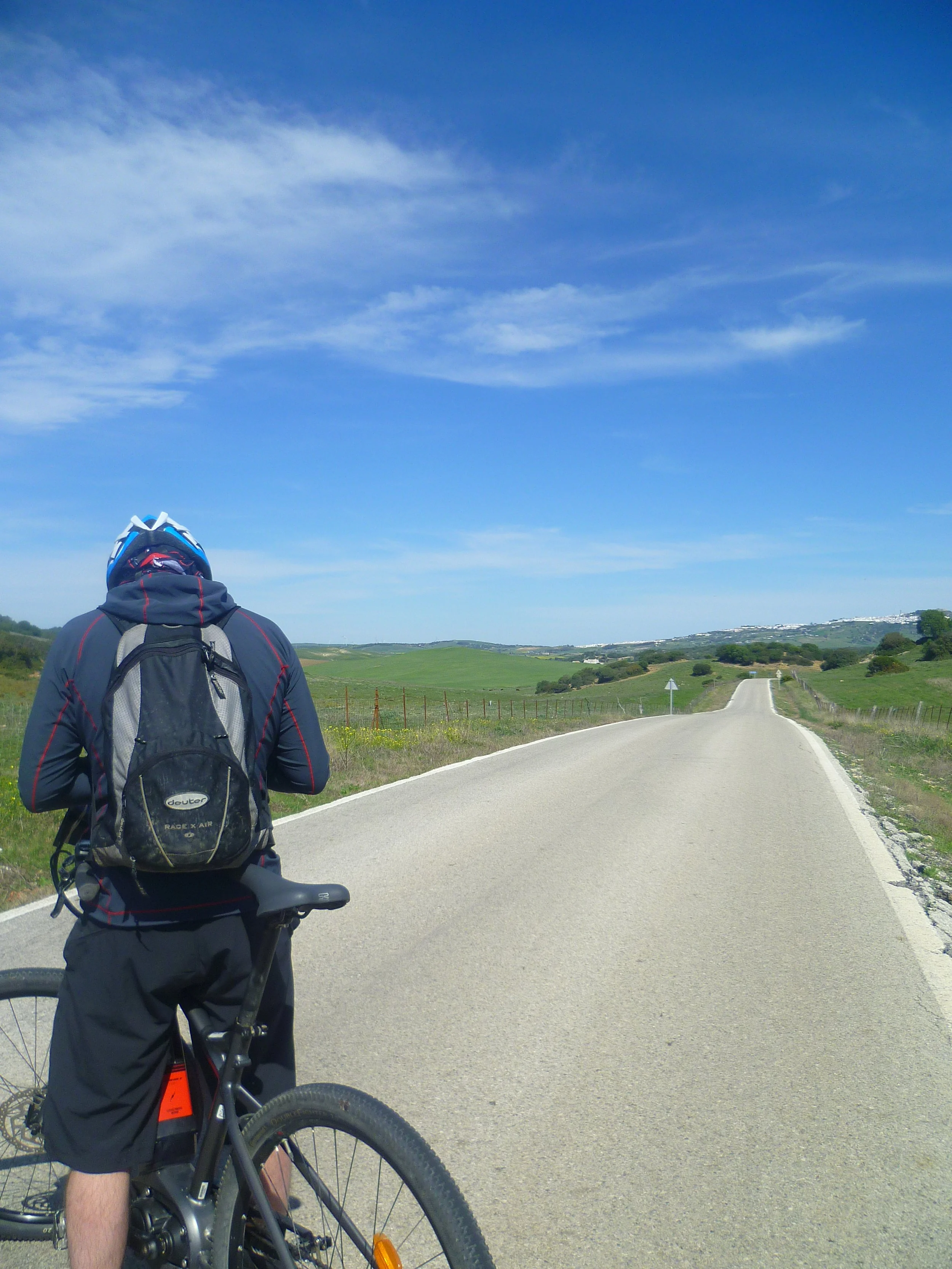
Honest verdict
Does the place live up to expectations?
Yes, yes, yes and yes.
Seville is probably on the hitlist of many a traveller and now that I have been, I’d say it deserves such a coveting. Probably the most architecturally beautiful and sensorially-stimulating city I have ever been to - the buildings were a visual delight, it smelled of orange blossom and it is literally filled with the lingering sounds of flamenco guitar.
We found history and culture aplenty, with marvellous food (as long as you stay away from the tourist spots) and great drink.
Vejer de la Frontera is one of the white hilltop towns (Pueblos Blancos in Spanish) of the Serranía de Ronda region. The most famous of these towns is Ronda, but there are many to choose from and I chose Vejer for it being one of the slightly lesser-known ones while still being one of the more sizeable and visitor-orientated. We found it to be beautiful, welcoming, and an ideal base for e-biking its surrounds. The biggest surprise was how verdant the area around Vejer was; we expected arid and instead was rewarded with scenes not dissimilar to the green and rolling hills of the Yorkshire Dales so it is a surprise that this isn’t a more known cycling destination. It’s an ideal location for being on two wheels. My boyfriend stated that Vejer was the best place we have ever been cycling – and it was absolutely superb. For anyone vaguely interested in cycling while on holiday, leisurely or hardcore, there is much to enjoy hereabouts.
Did the itinerary work for the trip?
Definitely. This city does winter very very well - mild and sunny with blue skies, pleasant but not hot. Don’t make the mistake of thinking you should go in shorts and flip flops - you’ll not only look like a tourist, you’ll also be shivering in the shade.
An ideal spot for a March city break with minimal crowds and beautifully sunny and mild skies; the ideal counterpoint to the cold and grey of Northern England at this time.
3+4 also worked extremely well, with the right amount of time in each location and an opportunity to extend a city break into a week long trip with the second, more countryside location. As a framework, I will look to replicate this again.
Two points of note: Doing two tours in Seville meant the guides repeated similar historical anecdotes and facts – probably best to do just one tour otherwise it can start sounding repetitious. Duplex Asilah wasn’t the ideal type of accom for bikes as it was tiny so we had to ask the reception to store them for us. Not at all the fault of the accom, but rather something I need to consider when booking a place to stay when we need room to store bikes.
Would I make another visit?
Rare is the place that touches me so much that I want to visit again, to get deeper under its skin; Cadiz province is one of those rare places. We had the most fantastic trip from start to finish.
If we went to Seville again, we’d stay in Triana for a slightly more authentic experience, though we felt we got a good flavour of the city in our 2.5 days so I suspect a revisit is a while away.
I very much want to return to Cadiz province to see and experience some more of its loveliness. Sanlúcar de Barrameda, Tarifa, Cádiz, Castellar de la Frontera in the Alcornocales, and Jerez de la Frontera are now on my hitlist.
WHEN
Early March
Shoulder season with mild weather, fewer crowds, orange blossom in Seville
We got blue skies, still winds, sunny. Warm in the sunshine, but you needed coats, long sleeves, socks and covered toes for the cooler mornings, evenings and shade.
LIGHT
Moderate Days
Sunrise: 7:45am to 7:20am
Sunset: 7:10pm to 7:17pm
Approx. 11–12 hours of daylight
TRAVEL MEANS
Direct flight from Leeds into Malaga, with Jet 2
We hired a car for the entirety of our trip, and it would be difficult, (though not impossible) to do without it.
Seville is a 2.5 hour drive from Malaga airport; Vejer is about a 1h 40m drive from Seville, then Malaga airport is about 2h 15m from Vejer.
We hired an e-bike for the entirety of our stay in Vejer from Bicicletas Francisco who also handily provided us with some local maps and biking routes.
ACCOMMODATION
Seville - Suites Murillo Alcazar (in Barrio Santa Cruz)
superb location right next door to the Alcazar
ideally walkable for pretty much everything
comfy bed
plenty of space for two people
felt a teensy bit rundown and the breakfast was ‘meh’.
Vejer de la Frontera - La Casa del Califa in the self-catering Duplex Asilah
a collection of real townhouses that have been brought together to make a hotel
gorgeous location with fab service
an excellent restaurant
lacked any soundproofing so we found it was a bit noisy into the evening and in the early morning.
SCHEDULE

Alcázar entrance
Seville - Day 1 to 4
Day 1
Fly: into Malaga airport (convenient flight schedule, running all year from most UK airports, even regional ones)
Collect hire car
Drive: to Seville, 2h 11m driving, 210km
Check-in, settle in, collect a few groceries
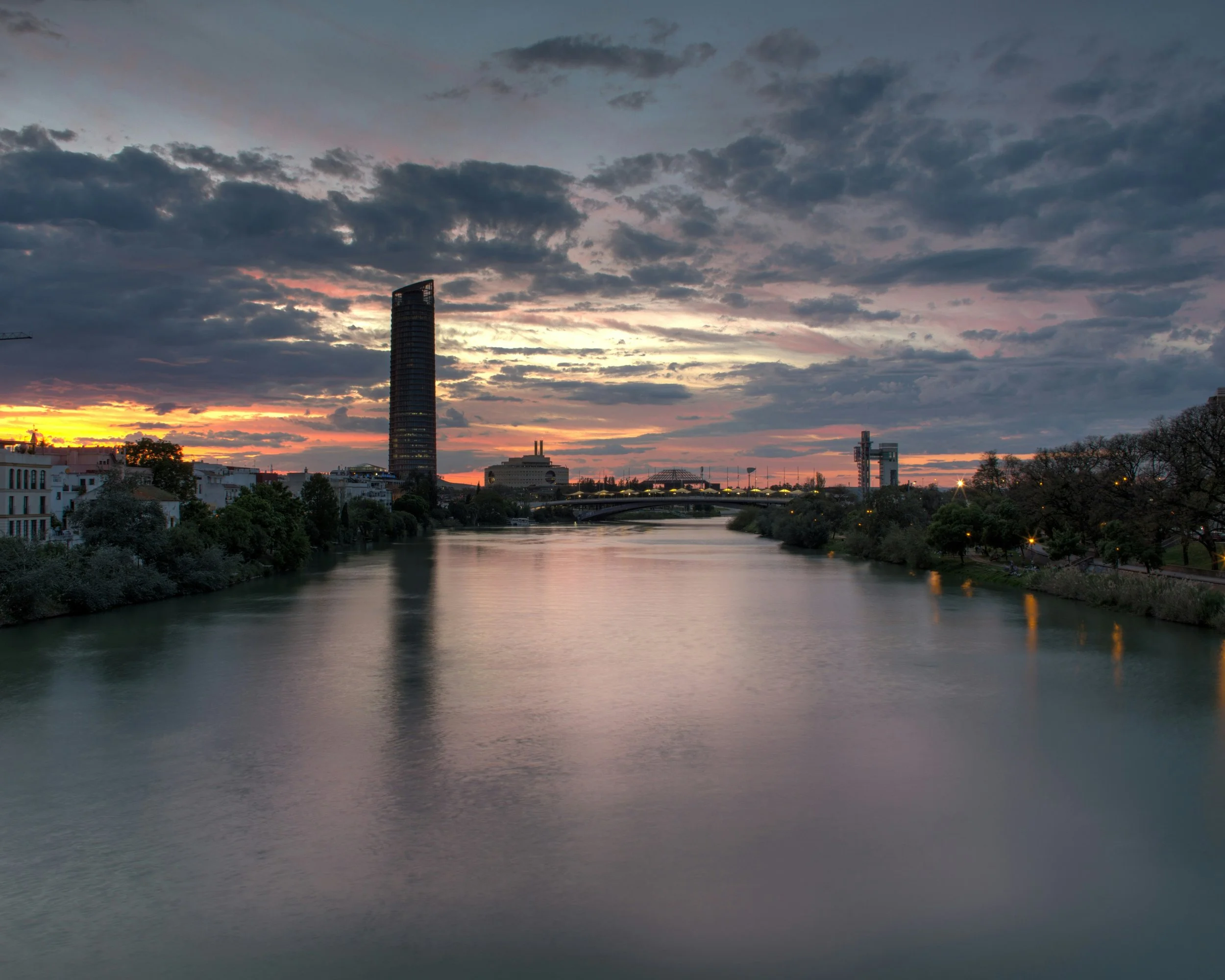
Day 2
Stroll: through Barrio Santa Cruz
Lunch: Torres y Garcia, Calle Harinas, 2, 41001 Sevilla
Very modern and hip café right in central Seville but not a single tourist in it. Surprisingly large, and the food was both healthy and cooked with care.
Tour: Sunset City bike tour with Sevilla Bike Tours
Very authentic tour around the city including the outer neighbourhoods that you would be unlikely to see on a short city break. Sunset felt like a good choice as the Spaniards seem to come alive in the early evening and the streets were buzzing. Excellent and passionate guide too.
Note that Seville is almost pancake flat, so this is easy for anyone to do.
Dinner with Drinks: Taberna Alvaro Peregil, Mateos Gago, 22, 41004 Sevilla
Teensy little tapas bar on a street of restaurants made for tourists. Ignore the rest and go here for a taste of that classic Seville experience. Menu is classic, simple, straightforward and tasty.
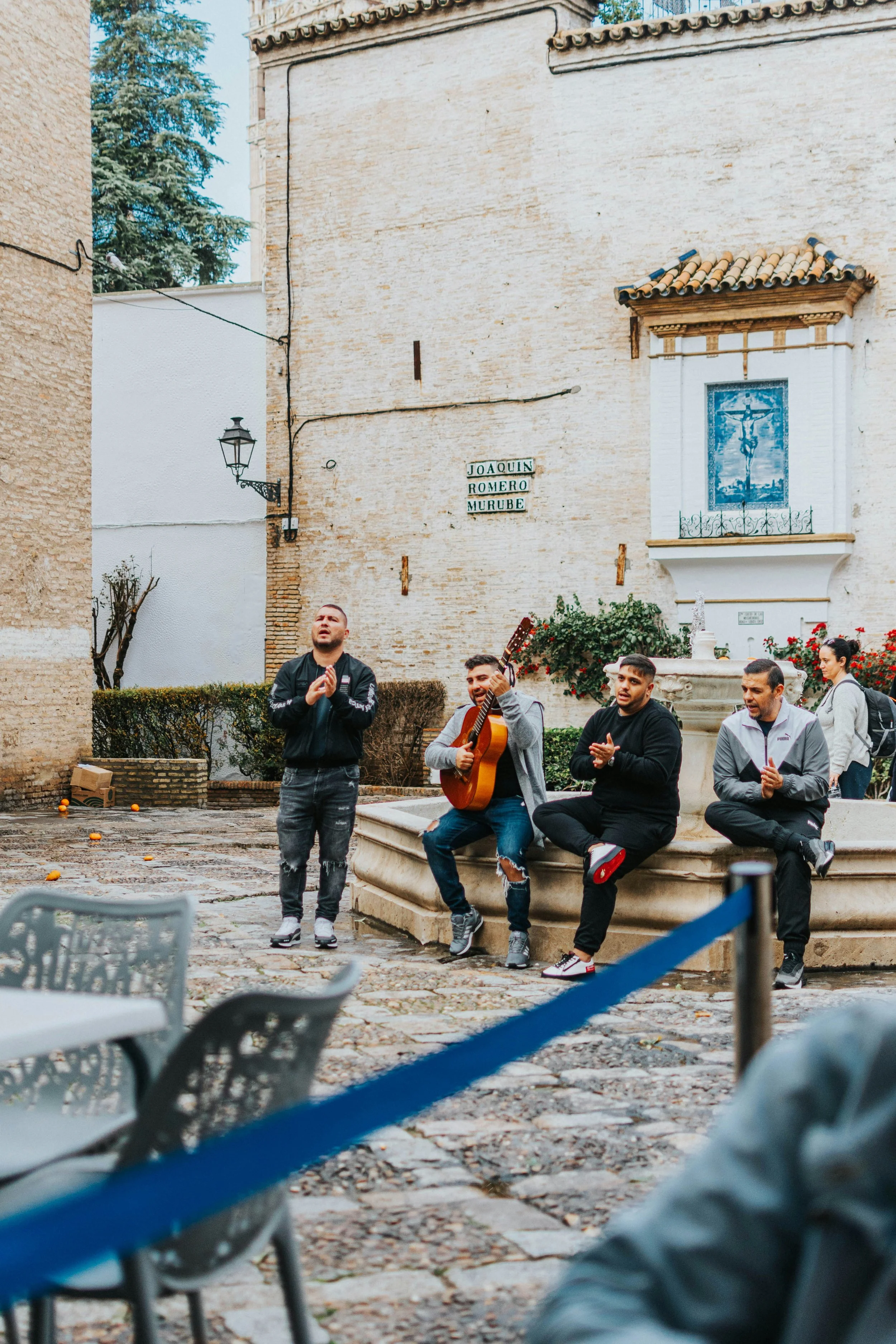
Day 3
Lunch: Crustum Panem, Calle Puente y Pellón, 24, 41004 Sevilla.
Properly good bakery selling all manner of authentic baked goods. We had empanadas and bread. Top marks for a lunchtime snack.
Evening: Tapas y Flamenco tour with MIMO.
This was superb and probably the best thing we did during our stay in Seville. We visited a small flamenco school in Triana for an authentic and intimate flamenco 45 minute performance of two dancers, one singer and one guitarist. I have chills even now, months after the trip, just thinking about how the performance made me feel.
This was no tourist thing; this felt like the real deal.
These performers exhibited their craft and training with feeling and passion, and the audience was a mixture of locals and tourists in the know. We were then taken off to 3 tapas establishments in Triana and our knowledgeable guide ordered for us - food and drink. Everything was delicious and we left a bit tipsy and fully full like a full thing on full day. 11 out of 10 for this tour.
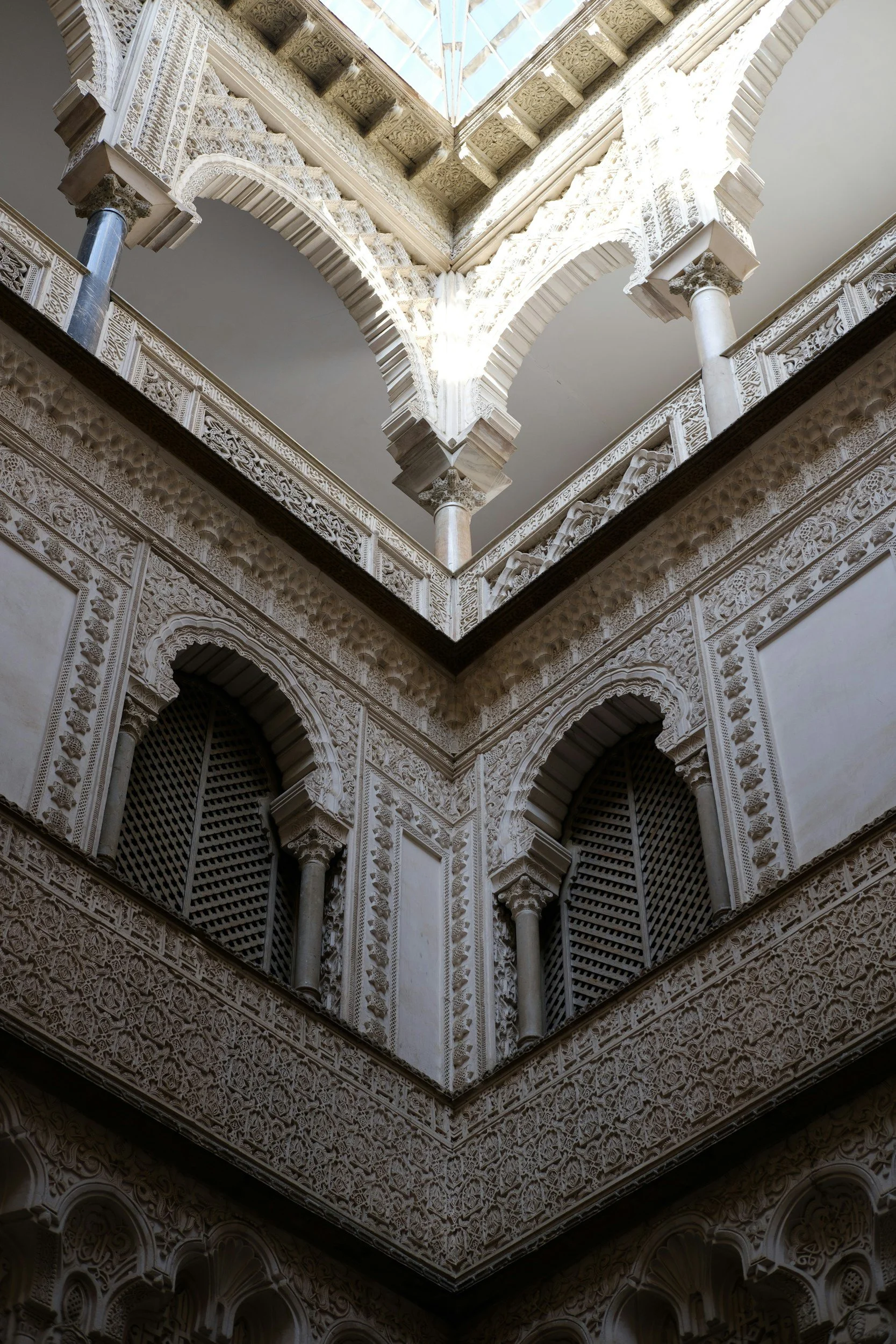
Day 4
Tour: Alcazar tour with Feel the City tours.
Good tour of the Alcazar, that filled in the historical detail and importance of the building that we would miss if we just went in solo (which you can do if you want to). The only thing about this is that it was very ‘classically touristy’ and the guide’s script sounded memorised and a bit rote. Good, just not outstanding.
Lunch: Gocho Neo Charcuteria, Calle Puente y Pellón, 19, 41004 Sevilla
Teeny little shop for a fresh ham sandwich, with the jamon sliced right in front of you. We had one with a bag of crisps and it was delish.
Drive to Vejer: 160km, 1h 45m driving
Afternoon: Arrive and settle into accommodation, explore Vejer’s cobbled streets and craft shops.

Views from La Breña y Marismas del Barbate Natural Park
Vejer de la frontera & surrounds - Day 4 to 8
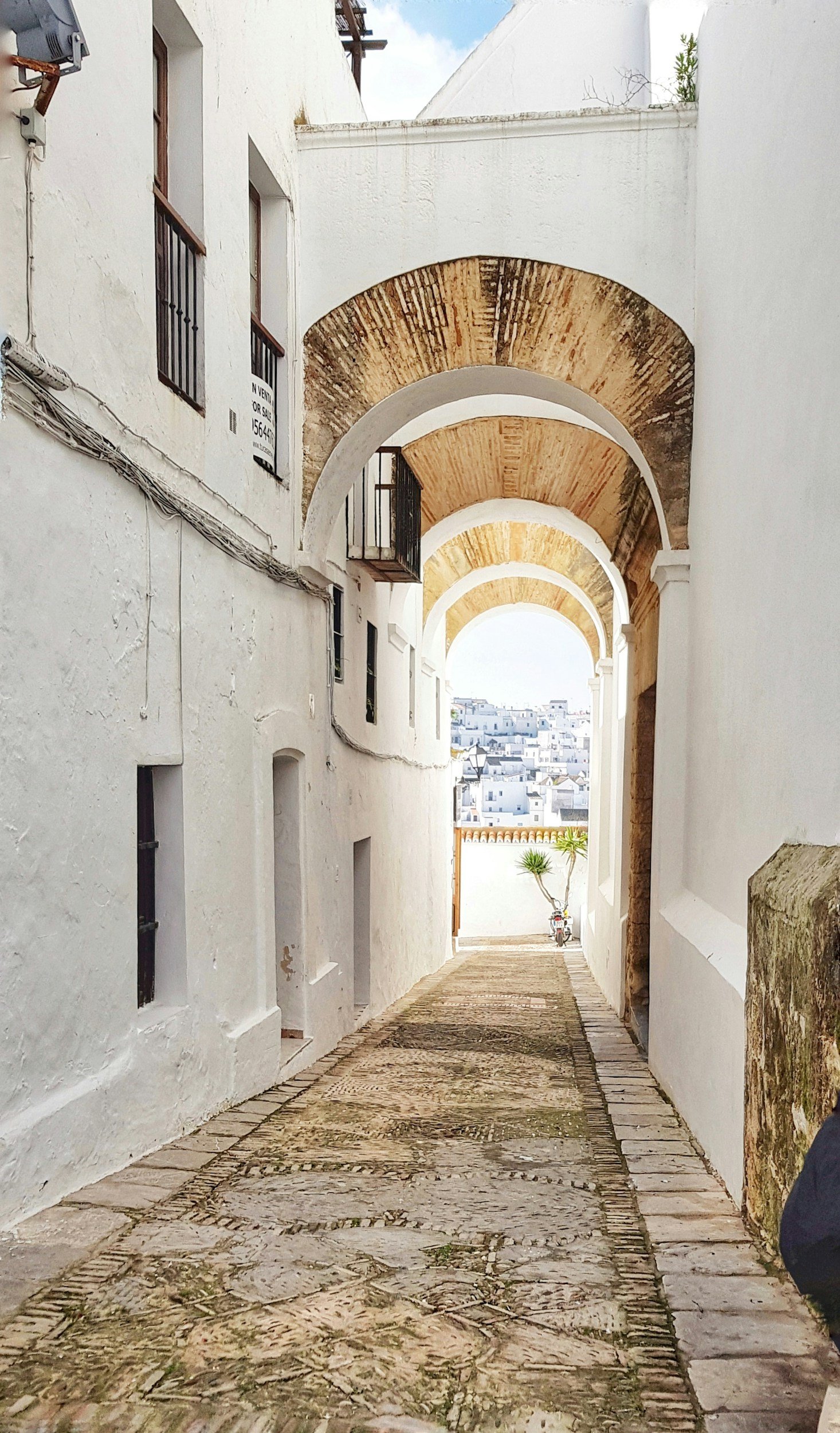
Day 5
Ride: Vejer to Barbate loop, 40km
Combined on-road and off-road circular cycle route, Vejer to Barbate, about 40km round trip. Out to the coast, with a stop for coffee in Barbate, this took in one of the smallest nature parks in Andalusia - the Breña y Marismas del Barbate Nature Park. It contains five different ecosystems: marine, cliff, pine grove, marshland and dunes. Only suitable for off-road bikes.
Dinner: Restaurante El Califa
Restaurant within our hotel and about 6 steps from our door.
This place has quite the reputation, and deservedly so. We ate here on two out of four evenings; the menu selection was superb, the service outstanding, the setting elegant and the food sublime. The best food we ate on the whole trip. You can also book in to eat here even if you aren’t a resident of the hotel.
Day 6
Ride & Lunch: Vejer to Medina-Sidonia, about 70km round trip
Combined on-road and off-road circular cycle route, Vejer to Medina-Sidonia, about 70km round trip which even on an e-bike was a full day journey for the round trip. Medina-Sidonia is another one of the white hilltop towns; the journey to and from it was a beautiful rolling sojourn and the climb into town a punisher. We stopped for lunch in Medina before heading back.
Dinner: El Campero, Avda. de la Constitución local 5C, 11160 Barbate.
Restaurant specialising in the red tuna fished right off shore. The service and the food here was excellent. Most importantly, the waiters were all very knowledgeable and make recommendations about the menu which is useful as many of the tuna cuts and dish descriptions will seem entirely foreign
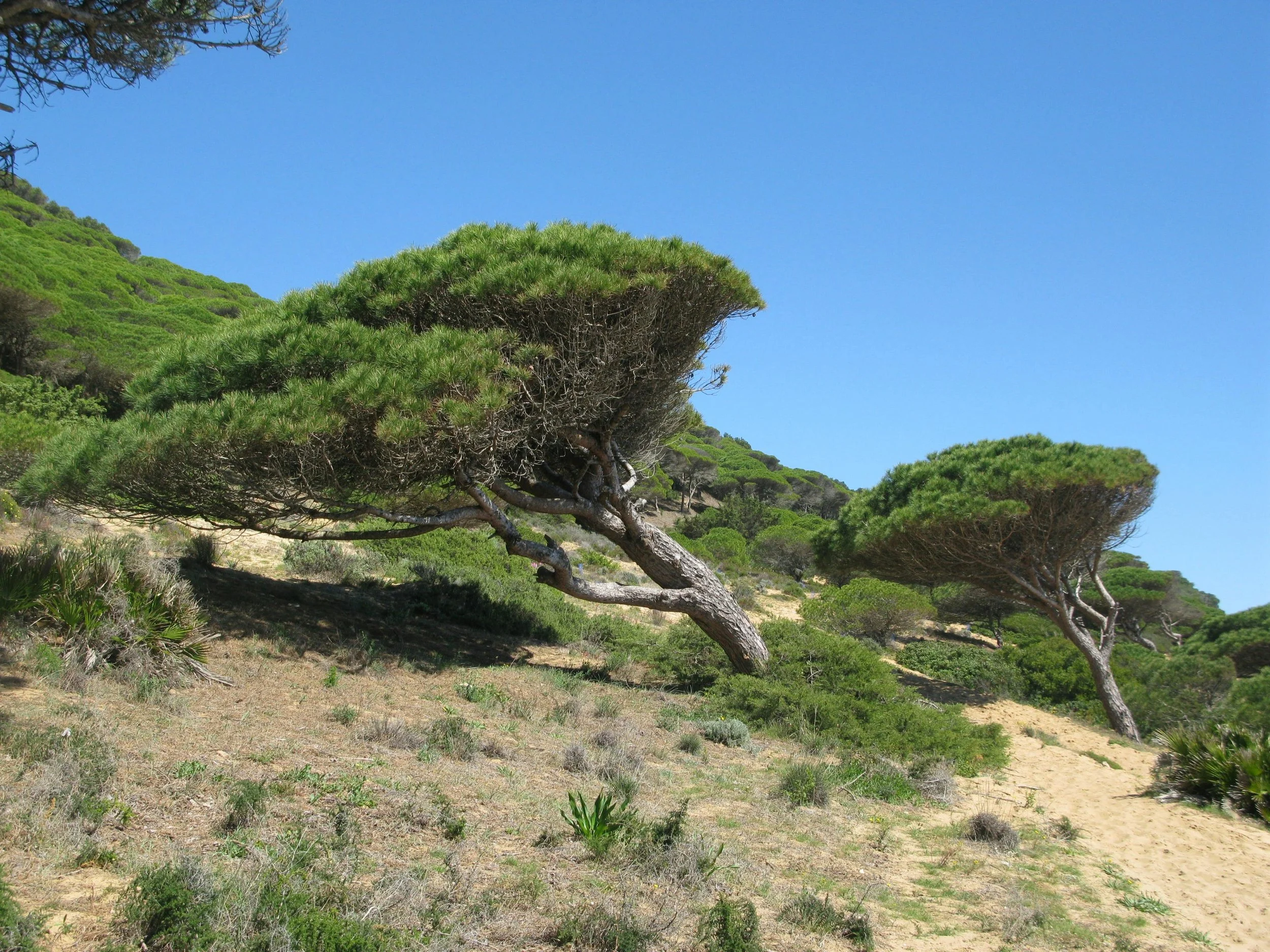
Day 7
Ride: Vejer to El Palmar de Vejer, about 30km round trip
Combined on-road and off-road circular cycle route, Vejer to El Palmar de Vejer, about 30km round trip. Most leisurely of the three routes
Drinks on the beach: El Palmar
the day was a stunner so we hung out at one of the surfer-type bars that line the beach at El Palmar. The place was absolutely buzzing with all kinds of folk - motorcyclists, families, surfers, groups of friends, groups of families. We had a few bevvies and soaked up the sunshine. Bliss.
Dinner: Restaurante El Califa
Day 8
Drive: to Malaga, 2h 30m driving, 200km
Fly home
Other Twin Centre Itineraries
Morbihan, Brittany - a twin-centre trip with road biking and city break
Travelling in early summer, my plan for 10-11 nights in Nantes and the Gulf of Morbihan. An itinerary for biking, art trails, a bit of Jules Verne, eating crepes, visiting medieval towns and castles, and admiring the sunset in pretty port towns.
Why Brittany?
With it’s own language and gastronomy that is heavily influenced by Celtic culture (indeed Brittany counts as one of the six Celtic nations along with Cornwall, Wales, Isle of Man, Ireland and Scotland), visitors are principally drawn to Brittany’s for coastal views, well-preserved historical towns and sites, food treats like salted caramel and crepes, and its unique cultural tradition that is quite distinct from the rest of France.
Tourism is well-established here with a wealth of online information to inform my independent itinerary. Its definitely a region geared up to receive visitors; many of them British, but also many of them French so it looks to have retained authenticity in its touristic offering. It is also well-serviced with transport options from the UK. This is not necessarily the place to discover that feels like I’m the only one to have done so, but I can take advantage of the expansive tourism infrastructure and online resources to get to some of the lesser-known places and design myself a unique itinerary quite easily.
Across the whole region, there seems to be a number of locales that strike my fancy and meet my brief of culturally rich, a little under the mainstream UK travel radar, and with opportunities for biking - Nantes, Quimper and Bénodet, St Malo, the Cote Eméraude, Noirmoutier-en-Île, Dinan, ruins at Carnac…this looks to be the kind of place that I will need several different holidays to see everything I’d like to see.
For this itinerary, I have settled on a design for southern Brittany, starting with a city break in Nantes, followed up with enjoying the coast in the Gulf of Morbihan, in easy reach of medieval town Vannes.
Nantes is the former “City of Dukes”, and was once the administrative capital of Brittany but is now part of the Pays de la Loire. This city looks to be a beauty - art features heavily, history is everywhere, and it looks to be a classy kind of place that isn’t too big to really see on a city break. There is also industry and an important port, and as per the Copenhagenize Index 2017, was marked as the 16th most “bicycle-friendly” city in the world.
The Gulf of Morbihan is a natural harbour; indeed ‘mor bihan’ in Breton means ‘little sea’. It is scattered with little islands, isles and islets; the mainland is lined with pretty little coastal villages; and being on the west coast, it is a beautiful theatre for incredible sunsets. The whole area looks perfect for exploring on a bike; quiet rural roads, excellent views, and for the historical and cultural hit, several castles and the medieval city of Vannes are within easy distance for day trips on two wheels.
Itinerary At A Glance
10 day independent itinerary for Brittany & the Loire Valley in Northwestern France: 3 nights in Nantes, and 7 nights in the Gulf of Morbihan near Vannes
Based on travelling in summer, flying in and out of Nantes from Leeds with a hop in Amsterdam. Car will also be essential to move between locations
Highlights include getting to know more about Jules Verne, biking around Nantes, taking a brunch tour on the River Erdre, indulging in buttery crepes, hanging out in the vibrant fortified medieval city of Vannes, and e-biking around the craggy coast of the Gulf of Morbihan.
Based on a couple travelling, with a focus on leisurely cultural activities and biking, interspersed with time to just relax and soak up the atmosphere

WHEN
Late June or early July.
Brittany has an extremely pleasant summer from June through to September with mid-20s temperature and fairly low rain during this time also. I will expect changeable weather even in the summer, though typically a few degrees warmer than the UK. The rest of the year is cool (not really very cold) but can be very wet (wetter than Northern England)
TRAVEL MEANS
KLM, from Leeds Bradford to Nantes, with a 2hr stop in Amsterdam
Hire a car to collect from the airport for the entirety of the trip and a road bike.

ACCOMMODATION
Gulf of Morbihan (in my order of preference)
La Villa du Guern - I’d like any one of those suites overlooking the water
I’m not sure I have ever encountered a more original place to stay than this house on the water
La Ferm’h - elegantly furnished eco-gites in Baden
Right outside of Vannes, but with views overlooking the Gulf of Morbihan - great looking Airbnb
Nantes (in my order of preference)
Maisons du Monde Hotel & Suites - my pick would be the Copenhague apartment
Luxurious 2 bed apartment with a grand and opulent personality
Stunner of a split-level duplex
Tasteful & modern 2 bed apartment with welcoming decor and nicely laid out space, about 1 mile from the centre of Nantes
SCHEDULE

Nantes - Day 1 to 4
Visit Chateaux des Ducs – 15th century castle tracing the history of Nantes
Take brunch cruise, a lunch cruise or a dinner cruise aboard the Bateaux Nantais up the River Erdre
This city is so bicycle friendly – I’d try some of these bike routes suggested by France Vélo Tourisme for in and around Nantes
Reputedly, the Quai des Antilles on the western side of the Ile de Nantes is the place to be for an early evening aperitif or beer. The riverside is supposedly lined with bars and cafés, and it bursts into action after sunset.
-
See an art exhibition at the industrial shed unit that is HAB Galérie, located on Île de Nantes
Book a performance at Le Lieu Unique - The last remaining vestiges of the LU biscuit factory established here in 1885 by Louis Lefèvre-Utile have been rehabilitated in 2000 by the architect Patrick Bouchain to give rise to this national centre for drama, dance and music. There is also a Turkish bath, a restaurant and a DJ in the bar on weekends
Follow the Green line through the city past nearly forty public art works and check out the Nymphea artwork at night drifting over the River Erdre
History of printworks at the Printing Museum
Jules Verne Museum, to learn about the city’s most famous artistic son
Wander by the Machines de l’Ile and the Great Elephant – this Jules Verne creation is the emblem of Nantes
Drive to Noirmoutier-en-Île - a flat island littered with cycling trails just off the Atlantic coast and about 1.5 hours from Nantes

Vannes & surrounds - Day 4 to 10
Spend at least half a day walking around half-timbered, fortified medieval town of Vannes. Eat in its cafes, admire it’s marina and walk the ramparts
Take an oyster mini-cruise to Ile aux Moines, to taste the oysters and learn more about their farming and the fragile ecosystem
Take a trip to Quiberon to visit the confectioner’s shop of Henri la Roux, inventor of the famous salted caramel
Bike out to the Fortresse de Largoët, the highest keep in France (2hr bike ride round trip from Vannes)
Bike out to the Chateau de Tredion for a walk around their sculpted gardens and sculpture park (3hr bike ride round trip from Vannes)
Cycle out to Auray-Saint-Goustan for a wander around this pretty port town (2hr bike ride round trip from Vannes)
Cycle out to see Rochefort-en-Terre and the Moulin Neuf for a walk around this reputedly beautiful floral village (4 to 5 hr bike ride round trip from Vannes)
Cycle out to Carnac to see the ancient standing stones
FOOD AND DRINK - SPECIALITIES & CUSTOMS
Oysters, cider, white wine, galettes/crepes and buttery Breton biscuits are just a few of the famed local treats.
Fish in a beurre blanc sauce, also known as beurre Nantais is a classic dish for Nantes.
Muscadet is a dry, crisp white wine, the most common wine produced in the Loire region.
Nantes Tourisme gives lots of recommendations for restaurants, creperies and wineries in Nantes. There are even some recipes on there for the classic foods of Nantes
Michelin Travel guide offers up several good food options in and around Vannes, Aubay and Baden - I’d probably book a couple of these in advance. There are even a couple of places with a Michelin star
Other Twin Centre Itineraries

Letting my imagination travel
Reflection on travel restrictions and what I can do instead
The year is 2020 and I have had 5 holidays cancelled due to the global issue that I will not name - you know what I’m talking about. Of all the fallout, I feel the loss of my freedom most keenly, and the loss I am grieving most of all is my inability to travel to other places.
I’m not a travel blogger - I don’t do this for any kind of living - so my loss here is in no way related to work or income. My travel is just holidays that are interspersed throughout my working year but I plan them with fervour, I research them with rigour, and I place great emphasis on their contribution to my general enjoyment of life. Trite though it may sound, its one of the reasons I go to work, to afford myself this ‘hobby’, and to be able to see the world and fill up my memory bank with a vast array of different experiences.
I miss the new sights, smells, tastes, activities, views, challenges, languages, music, food, customs, ideas, landscapes, sounds……and even before I have gone away, I miss the feeling inside of me when I’m researching and planning my trips - the hope, the anticipation, the excitement, the intrigue. Both the run-up and the actual event are part of the story of why I love to travel and why it infuses my life with joy.
I have pretty much spent the last 6 months grieving all these losses, but after my final trip bit the dust (7 nights in the first week of October, to be spent mountain biking in the Dolomites for my boyfriend’s 40th birthday) I felt I needed to switch my mindset away from focusing on all the things I can’t do, and instead thinking about what I can do.
My style of travel is independent travel - by this, I mean not that I travel solo (we tend to travel as a couple), but that I research and book each part myself to create custom itineraries for us and I use packages or tours created for me only infrequently, often part of a larger independent itinerary. I have realised that one thing I can continue to do, is this: the travel planning. I enjoy the researching part of the process almost as much as I enjoy the travelling itself, so why not.
There are no restrictions on my imagination so I can travel in my mind. I can lose myself in the creation of hypothetical holidays and itineraries, get deep and creative through extensive research, escape into digging out the hidden gems, derive satisfaction out of refining the high-level ideas into detailed designs for trips that meet our personal preferences. As an extra bonus, I should end up with a store of fairly complete holiday options for when I can travel again.
To round off the activity, once I feel I have a fairly complete itinerary that meets my brief, I’m going to post them on this website with the naming convention “Dreaming of xxx; a speculative travel itinerary”. Perhaps someone else out there can take my research and turn it into a trip of their own one day.
Noto Valley, Sicily - a Spring trip
Travelling in spring, journal and itinerary of my 10 night Sicilian stay in the Noto Valley.
Itinerary At A Glance
10 day independent itinerary for Southeastern Sicily (the region is often referred to as the Noto Valley) staying in hilltop town Scicli
Based on flying in and out of Manchester into Catania on Sicily’s east coast, in April or May
Highlights include taking a tour up Mount Etna, strolling around Sicily’s historic hilltop towns, and seeing ancient Greek architecture at the Valley of the Temples.
Based on a couple travelling, with a focus on leisurely outdoor and cultural activities, interspersed with time to just relax and soak up the atmosphere
Honest verdict
Does the place live up to hype or expectations?
Not for me, no. Unfortunately, not one of our better trips and not somewhere we would necessarily recommend or visit again. Main complaints for us were issues with the accommodation but also (controversial opinion I’m sure) we didn’t find the island landscape beautiful really; it is marred with flytipping and endless endless fields of polytunnels for tomatoes. The towns we visited were pretty in the main streets, but the outskirts aren’t.
Does the itinerary work for the trip?
No.
10 nights was much too long for us, with not enough of what we like to do to occupy us for this length of time, particularly where we stayed in Scicli - many of the activities we enjoyed were actually quite far from our base. This has taught me to start finding an itinerary of activities first, and then find accommodation to suit that, not the other way round.
Would I make another visit?
I wouldn’t return Scicli or the Noto Valley, and couldn’t recommend it. In hindsight, I think a better base for us in Southeastern Sicily could have been Syracuse/Ortigia island, though Sicily is not on the top of my list after this trip.
WHEN
May
We experienced warm pleasant, sunny weather. I wouldn’t call it hot - we needed trousers and long sleeves, plus a jacket or cardigan most of the time. Despite how hot Sicily will get in the summer, it wasn’t that hot at this point.

TRAVEL MEANS
Manchester direct into Catania, with Easyjet
We hired a car for the entirety of our trip, and it would be impossible to do without it.
Scicli is a 2 hour drive from Catania airport
ACCOMMODATION
Villa Saracena, Contrada Croce, 97018 Scicli, +39 349 648 3018
I cannot recommend this accommodation - we couldn’t stay there the first night (some issue which I can’t remember) so we stayed in one of their sister accommodations. Then part way through the trip we lost all power and water for two full days. This, unfortunately, became a memorable downer on the trip as it became quite stressful not to have those basic amenities. The staff were trying hard, but really, it just felt unacceptable and sort of ruined the stay.
I think I might have taken it on the chin a bit better if the accommodation had been extremely reasonably priced, but it wasn’t - it was comparable with any luxury accommodation in any European destination - so it just felt like they had failed to match their service with the kind that would be expected for that price.
FOOD
It’s hard to have bad food in Italy, and this was certainly the case for our trip, but neither did we have food that was so outstanding I feel compelled to recommend here. If you do go, be absolutely certain you buy yourself some fresh ricotta, and eat it simply on fresh bread, topped with proscuitto and olive oil. This is sublime and you can’t replicate these flavours at home in the UK. A lasting memory of the trip and the island.


ACTIVITIES
Mount Etna 4x4 & Cable Car tour - this was a superb part of the trip, but it is a very long drive from where we stayed in Scicli, at least 2.5 hours each way. Two things to point out - one, be sure to book in advance, and two, you really do need to dress for extremely cold weather for reaching the top. Jeans and a jacket will not cut it, no matter how warm and mild it is at the base of the volcano. This may sound like an very obvious thing to say, but the tour company did not give us any instruction on this point, and while we were much more appropriately dressed than the majority of our fellow tour-goers, we were underdressed for the wickedly strong winds and snow at the summit and it impacted on our ability to enjoy it.
MTB & Sea Kayak Tour Sampieri coast - this would have been great……if my boyfriend didn’t get severely seasick about 20 minutes into the trip. Francesco, our guide, was superb about the whole thing.
Valle dei Templi (Valley of the Temples) in Agrigento - Declared a UNESCO World Heritage Site in 1997, the Valley of the Temples contains one of the largest archaeological sites in the Mediterranean and is one of the most extensive, representative and best preserved archaeological sites of classical Greek civilisation who were settled in Sicily and the southern part of the Italian peninsula. The Romans called the area of Sicily and the foot of the boot of Italy Magna Graecia (Latin, "Greater Greece"), since it was so densely inhabited by Greeks. This was an absolutely fantastic way to spend the day, and is humbling to wander around the magnificent and ancient structures.
DAY TRIPS & WHERE TO WANDER
Noto - One of the Baroque gems of Sicily and rebuilt from scratch after the 1693 earthquake. We spent a pleasurable half-day wandering around this town and had lunch outside on the pretty main street.
Modica - In the 15th Century, when Modica was under Spanish control, chocolate (xocolatl) was brought from the Aztec areas of South America and they still make chocolate using the ancient recipe. Like Noto, we spent a few hours just wandering around, tried the chocolate and had a coffee. I’d give it 3 out of 5 - not necessarily as awesome as so much online content makes out and I wouldn’t recommend making this your destination - better to stop off here as a way to break up a longer journey to some other place.
Ideas for another visit
Stay in Syracuse/Ortigia island
Riverwalk in Cassibile Gorge - with AirBnB experiences. Just south of Syracuse, a vast, 10 kilometre-long, 300m deep gorge has been bisected by the emerald green Cassibile River, through which a series of fresh water pools and waterfalls tumble. Spend a day hiking, clambering and (if you’re brave enough) taking a dip in the ice-cold water. There are beautiful wildflowers, butterflies and several interesting archaeological ruins here too.
See the troglodytic (cave dwelling) culture of Cava d’Ispica - If you have the time and energy, you can follow the gorge all the way to Ispica town (12km / 3-4 hours), supposedly a lovely walk in springtime.
Vendicari Nature Reserve - A mixture of salt lagoons (pantano), sand dunes, rocky coastlines, and sandy beaches, and thousands of migrating birds pass a few days here on their way to or from Africa with flamingos, herons, storks and cormorants regulars during autumn. It’s reputedly a wonderful environment for a good seaside walk and a picnic. There are no lidos or bars, so it is essential to take what you need with you – water, something to eat, swimsuit and towels. There are three entrances to the park, all off the main Noto-Pachino road. The middle entrance, signposted Torre di Vendicari, gives you the opportunity of heading north or south. Wherever you decide to enter, you will have to park you car and walk some way, though this is a generally thought of as a pleasurable experience.
Sewing projects for a Spring trip

